+86-18126757325


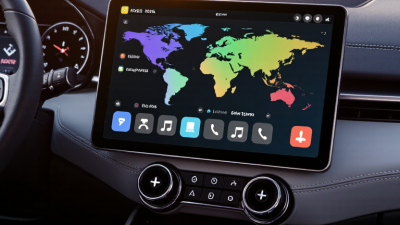
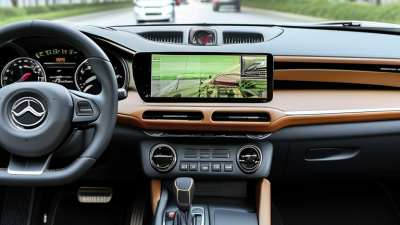
China has become a major sourcing base for Car Multimedia systems, including head units, digital cockpits, displays, speakers, and connectivity modules. The opportunity is substantial. The China Association of Automobile Manufacturers reported 12.87 million new-energy vehicles sold in 2024, representing 40.9% of total new-vehicle sales. These vehicles often require richer screens, faster interfaces, and deeper software integration.
McKinsey’s report, The Future of Automotive Software and Electronics, projects this market could grow from approximately $238 billion in 2020 to $469 billion by 2030. Deloitte’s 2024 Global Automotive Consumer Study also shows that consumers increasingly evaluate vehicles through connectivity, infotainment, and digital convenience. The dashboard is no longer just a panel. It is a daily digital workspace.
As former Gartner automotive analyst Thilo Koslowski stated, “The car is the ultimate mobile device.” His observation remains highly relevant for global buyers comparing Chinese suppliers. However, supplier selection should not rely on attractive screens or low quotations alone. Firmware stability, localization capability, acoustic performance, cybersecurity processes, testing records, and after-sales support require close examination.
Some suppliers excel in display hardware. Others offer stronger software ecosystems or manufacturing scale. Few perform equally well in every category. That is the difficult part.
This guide examines leading Chinese Car Multimedia suppliers through practical buying criteria, including product range, engineering capability, certifications, production experience, and international service. The evidence is useful, but not perfect. Supplier claims can change quickly, and independent verification still matters. A polished demonstration unit may hide integration problems inside a real vehicle. Global buyers should therefore compare measurable performance, not promises.
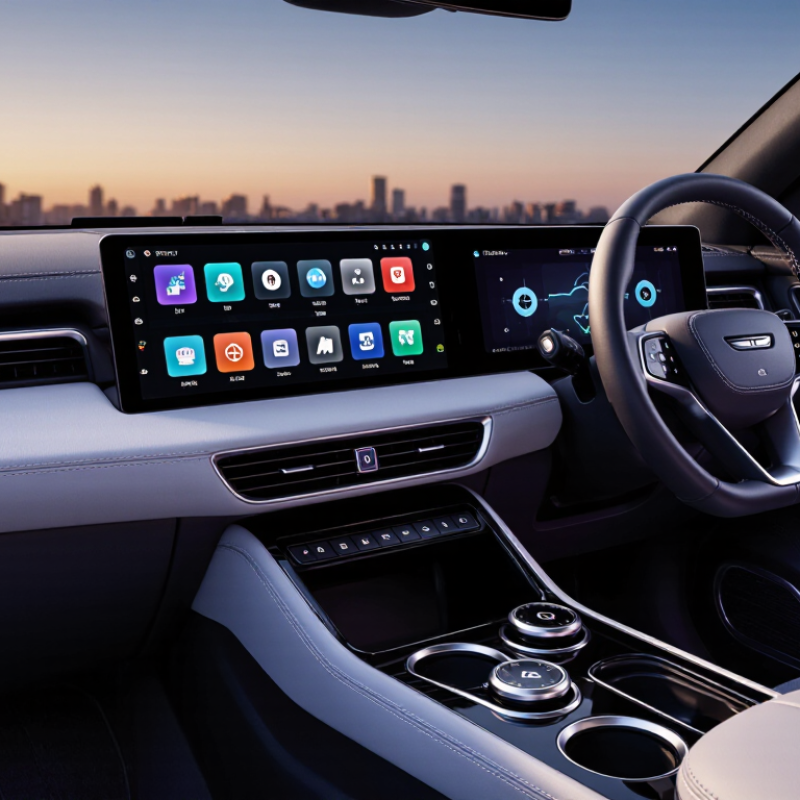
China’s top car multimedia suppliers are best judged by engineering depth, not catalog size. The strongest suppliers usually build complete cockpit systems: displays, digital instrument clusters, wireless connectivity, voice control, and vehicle-bus integration. Their factories often include EMC test rooms, vibration benches, aging ovens, and traceable software-release systems.
Market demand is substantial. The China Association of Automobile Manufacturers reported 31.28 million vehicle sales in 2024, including 12.87 million new-energy vehicles. This scale gives domestic suppliers valuable experience with fast software updates, large touchscreens, and high-voltage vehicle architectures. A 2024 S&P Global Mobility study also showed that connected features increasingly influence vehicle purchase decisions. The data is useful, but buyer preferences vary by region.
For global buyers, the leading supplier group generally includes large electronic manufacturers, specialized cockpit developers, and flexible private-label factories. The first group offers stronger validation and longer support cycles. The second often delivers better system customization. The third can compete on tooling speed and smaller orders. Ask for ISO 9001 and IATF 16949 evidence, regional radio approvals, CAN-bus test records, and software update policies. Check samples in hot, cold, and high-humidity conditions.
Small details matter. A screen may look sharp indoors but wash out under direct sunlight. Voice control can fail inside a noisy cabin. Some suppliers also underestimate after-sales language support. That deserves scrutiny. Importantly, “top” is not a fixed ranking; it depends on compliance, integration skill, production stability, and the buyer’s target market.
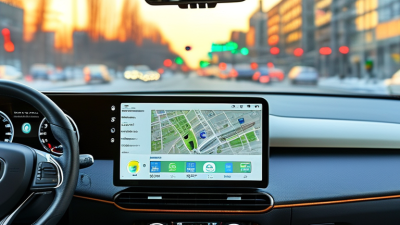
China’s car multimedia supplier market is organized in several practical layers. Large manufacturers often design core systems, manage production, and serve vehicle programs. Smaller factories usually focus on screens, audio modules, wiring, or software integration. Trading companies connect overseas buyers with these factories, but their technical control can vary.
Many suppliers operate around major electronics and automotive manufacturing clusters. These locations provide access to display panels, chips, molds, testing equipment, and logistics services. A buyer may work with one supplier for a complete system or combine several specialized suppliers. This approach can reduce costs, yet it increases coordination work.
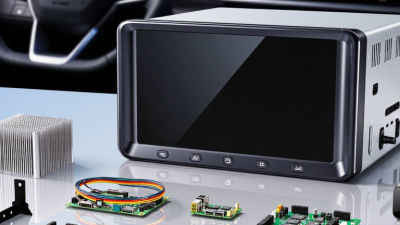
Experience matters during supplier evaluation. Request sample units, wiring diagrams, firmware procedures, and test reports. Check whether the supplier supports communication protocols, vehicle compatibility, and regional radio requirements. Quality teams should review heat testing, vibration resistance, touchscreen response, and power stability. Documentation is often useful, but it may not reveal every production weakness.
The market is efficient, but not perfectly transparent. Some suppliers describe themselves as manufacturers while outsourcing key assembly steps. That is not automatically a problem. However, buyers should confirm factory ownership, inspection procedures, software update methods, and after-sales responsibilities. A reliable supplier explains limitations clearly. That honesty is valuable. My own assessment would remain cautious when sample performance differs from mass-production records, because small details can become expensive problems during installation.
Chinese car multimedia suppliers provide far more than replacement touchscreens. Their product ranges often include Android head units, digital instrument displays, rear-seat entertainment screens, and portable navigation systems. Many suppliers also produce vehicle-specific wiring harnesses, steering-wheel control modules, and dashboard integration kits. These details matter because a good-looking screen is useless if installation becomes difficult.
Audio products form another major category. Suppliers commonly offer digital signal processors, amplifiers, subwoofers, speakers, and microphone systems for hands-free communication. Camera solutions may include reversing cameras, surround-view systems, and recording devices. Some factories support CarPlay and Android Auto compatibility, but buyers should verify software stability, language options, and update policies. Specifications can look impressive. Real performance may differ.
Tips: Request sample units before bulk orders. Test boot speed, touch response, heat control, audio noise, and camera clarity. Check connector diagrams carefully. Ask for EMC testing, warranty terms, packaging standards, and production inspection records. A supplier that answers vaguely deserves caution. Lower prices can hide weak components or inconsistent firmware. I have seen products pass a quick demonstration but fail after weeks in a hot vehicle. That weakness is easy to miss. Buyers should also confirm regional radio frequencies, charging standards, data protection practices, and vehicle compatibility before approving production.
| Product Category | Common Product Formats | Typical Technical Specifications | Vehicle Compatibility | Main Buyer Applications | Common Compliance Requirements |
|---|---|---|---|---|---|
| In-Dash Multimedia Receivers | Single-DIN and double-DIN touchscreen receivers | 6.8–10.1 inch displays; capacitive touch; AM/FM or DAB/DAB+ options; Bluetooth hands-free calling; USB media playback | Aftermarket vehicles with standard or adapter-supported dashboard openings | Retail replacement, installer networks, vehicle customization | Radio equipment requirements, EMC testing, electrical safety, regional wireless approvals |
| Android-Based Car Head Units | Vehicle-specific and universal dashboard head units | Android operating system; 2–8 GB RAM; 32–256 GB storage; Wi-Fi; Bluetooth; GPS; optional 4G connectivity | Vehicle-specific fascia, wiring harness, steering-wheel-control and CAN-bus configurations | Navigation upgrades, connected infotainment, aftermarket vehicle integration | EMC, radio-frequency, product safety, data-privacy and market-specific wireless regulations |
| Portable Navigation Devices | Windshield-mounted or dashboard-mounted GPS devices | 4.3–7 inch displays; GNSS positioning; map storage; 12/24 V vehicle power input; optional Bluetooth | Broad compatibility with passenger cars, vans and light commercial vehicles | Fleet navigation, consumer navigation, markets without factory navigation | GNSS and radio approvals where applicable; EMC; battery and charger safety if included |
| Vehicle Display Modules | Replacement LCD panels, touchscreen assemblies and dashboard displays | 5–12 inch LCD or TFT panels; 800×480 to 1920×720 resolution; LVDS, RGB or MIPI interfaces | OEM replacement, vehicle-specific retrofit and custom dashboard projects | Repair distributors, retrofit installers, specialty vehicle manufacturers | EMC, electrical safety, environmental testing and restricted-substance requirements |
| Digital Instrument Clusters | LCD instrument panels and configurable driver-information displays | 7–12.3 inch displays; CAN or CAN-FD communication; configurable graphics; warning-indicator support | Vehicle-specific systems requiring verified communication and display protocols | Low-volume vehicle production, specialty vehicles, fleet modernization | Automotive EMC, functional safety assessment, environmental durability and vehicle regulations |
| Rear-Seat Entertainment Systems | Headrest monitors, ceiling-mounted screens and independent media players | 7–15.6 inch displays; HDMI or USB input; wireless headphones; 12 V operation; optional streaming interface | Passenger cars, vans, recreational vehicles and executive transport interiors | Family vehicles, long-distance transport, premium interior upgrades | EMC, electrical safety, material safety and regional wireless requirements when applicable |
| Vehicle Camera Systems | Rear-view cameras, front cameras, side cameras and multi-camera kits | AHD or CVBS video; 720p–1080p imaging; wide-angle lenses; IP-rated housings; night-vision options | Passenger cars, commercial vehicles, buses, trailers and recreational vehicles | Parking assistance, blind-spot visibility, fleet safety and trailer monitoring | Automotive EMC, ingress protection, camera image requirements and vehicle-installation regulations |
| Digital Video Recorders | Single-channel, dual-channel and multi-channel vehicle DVRs | Front and cabin recording; loop recording; microSD or eMMC storage; G-sensor; optional GPS and 4G | Private vehicles, taxis, buses, trucks and commercial fleets | Evidence recording, fleet supervision, incident review and driver monitoring | Privacy and data-retention rules, EMC, radio approvals and storage-device safety |
| Telematics and Fleet Terminals | GPS trackers, vehicle terminals and connected fleet gateways | GNSS; 4G LTE or other approved cellular connectivity; CAN or OBD interfaces; geofencing and remote reporting | Cars, trucks, buses, rental fleets and logistics vehicles | Location tracking, vehicle diagnostics, route management and fleet analytics | Cellular certification, data protection, cybersecurity controls and vehicle electrical compatibility |
| Automotive Audio Components | Speakers, amplifiers, subwoofers, digital signal processors and wiring kits | 4–8 ohm speaker systems; 12 V amplifiers; 2–16 channel configurations; analog and digital signal inputs | Universal aftermarket installation and vehicle-specific upgrade packages | Audio upgrades, custom installations, retail accessory distribution | EMC, electrical safety, material compliance and documented power-performance testing |
| Connectivity Accessories | USB interfaces, wireless adapters, steering-wheel-control interfaces and CAN-bus adapters | USB-A or USB-C; Bluetooth or Wi-Fi connectivity; 12 V compatibility; vehicle protocol conversion; plug-and-play harness options | Aftermarket head units and selected vehicle-specific electrical systems | Installation integration, smartphone connectivity and control retention | EMC, wireless approvals, electrical safety, connector reliability and vehicle compatibility validation |
Note: Specifications shown are common market ranges and should be verified against the supplier’s current datasheet, sample, certification documents and vehicle-compatibility list before purchase.
China Top Car Multimedia Suppliers for Global Buyers?
Evaluate Chinese car multimedia manufacturers beyond price and glossy demonstrations. OICA reported 93.5 million vehicles worldwide in 2023, with China producing about 30.2 million. This scale supports strong engineering experience, but supplier quality still varies. Check the manufacturer’s production history, export regions, annual capacity, and audited quality systems. Request evidence for IATF 16949, ISO 9001, electromagnetic compatibility testing, and temperature testing. A reliable supplier should explain failures, not hide them.
Assess the complete system. Test boot time, screen visibility under direct sunlight, microphone clarity, Bluetooth stability, navigation accuracy, and steering-wheel controls. Confirm compatibility with CAN, LIN, and the vehicle’s original wiring. The IEA Global EV Outlook 2024 recorded more than 17 million electric-car sales in 2023. Therefore, suppliers should demonstrate stable software, efficient power use, and safe update procedures. Ask how vulnerabilities are handled. Also inspect sample units after vibration, humidity, and repeated temperature changes. A perfect showroom demo proves little.
Tips: Compare two or three samples under identical conditions. Ask for a traceable bill of materials and inspection records. Avoid accepting “customizable” without written timelines, interface limits, and repair responsibilities. A minor weakness matters. In early sourcing, buyers may overvalue display resolution and undervalue thermal design. That mistake can create freezes, dimming, or slow restarts after installation. Allow time for a pilot batch, independent testing, and direct feedback from installers before signing larger orders.
Sourcing car multimedia systems from China requires more than comparing unit prices. Global buyers should verify engineering capability, production controls, and regional compliance before placing an order. A capable supplier should explain display performance, audio output, connector design, CAN bus integration, and software update procedures clearly. Ask for product samples from the proposed production line, not only showroom units. A polished sample can hide weak heat management or unstable firmware.
Factory evaluation matters. Review quality records, incoming material checks, aging tests, and final inspection reports. Confirm whether the supplier can support your target market’s requirements for electromagnetic compatibility, safety, labeling, data protection, and recycling documentation. Independent testing may cost more, but it can expose failures before shipment. Define warranty terms, spare-part availability, repair responsibility, packaging standards, and delivery conditions in writing. Vague promises become expensive later.
Tips: Start with a small pilot order. Test units in hot, cold, and high-humidity conditions. Check boot time, screen visibility, microphone clarity, steering-wheel controls, and wireless stability. Keep a signed specification sheet and a golden sample for comparison. Do not rely on translation alone; technical drawings reduce misunderstandings. Also, review firmware ownership and update access carefully. Some buyers focus too heavily on price. That is understandable, but it can create hidden costs. Even experienced teams miss details. Build time for retesting, negotiation, and corrective action.