+86-18126757325


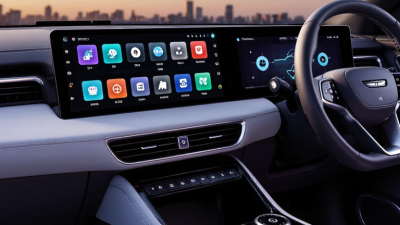
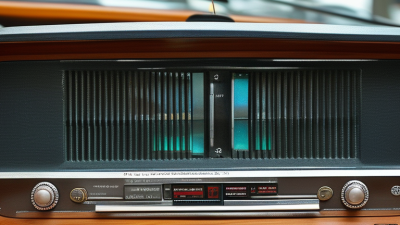
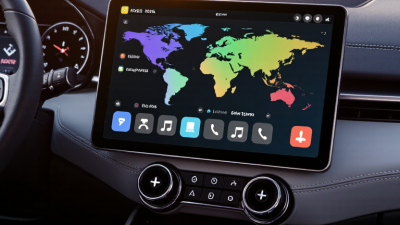
China’s Auto Radio industry is no longer limited to AM/FM receivers and basic Bluetooth units. It now includes touchscreen head units, digital radio, navigation, voice control, smartphone integration, and connected cockpit systems. China’s position is significant. The China Association of Automobile Manufacturers reported more than 30 million vehicle sales in 2023, creating strong demand for reliable in-car electronics.
Global buyers need more than factory prices. They need stable supply, tested software, clear specifications, and responsive after-sales support. Grand View Research estimated the global automotive infotainment market at approximately USD 28 billion in 2023, with continued growth driven by connected vehicles and integrated displays. MarketsandMarkets also identifies smartphone connectivity, voice interfaces, and vehicle digitization as important market forces. However, these reports often combine radios with broader infotainment products. That limitation matters.
“The vehicle is becoming a software platform, not simply a machine,” automotive technology analyst Roger Lanctot has stated. This observation explains why supplier evaluation must go beyond appearance. A bright screen is not enough. Buyers should examine audio output, chipset quality, CAN-bus compatibility, firmware updates, localization, EMC testing, and production consistency.
This guide introduces ten Chinese Auto Radio manufacturers for global buyers. The selection considers manufacturing experience, export capability, product breadth, certifications, engineering support, and documented market presence. Some suppliers excel at volume. Others offer stronger customization or integration expertise. No ranking can fit every project. A distributor may value margin, while an automaker may prioritize validation and long-term software support. Careful comparison remains essential, especially when product claims are difficult to verify independently.
China Top 10 Auto Radio Manufacturers for Global Buyers
China’s automotive radio sector is shifting from standalone receivers to connected cockpit modules. According to the China Association of Automobile Manufacturers, China produced 31.28 million vehicles in 2024. New-energy vehicles reached 12.87 million sales, representing 40.9% of total sales. This volume supports strong demand for compact digital radios, touchscreen head units, and software-ready audio platforms.
The manufacturing base is highly integrated. Many factories combine PCB assembly, plastic molding, antenna tuning, acoustic testing, and final vehicle validation. Counterpoint Research’s 2024 automotive electronics analysis identifies centralized cockpit computing as a major industry direction. For global buyers, this means checking processor compatibility, radio standards, language support, and over-the-air update capability. Factory audits should also review EMC testing, temperature cycling, vibration testing, and traceability records.
Details matter. A supplier may show a clean sample unit, yet struggle with firmware updates across different vehicle models. Some export claims also need closer verification. That is uncomfortable, but useful. Buyers should compare inspection data with production records and independent test results. China’s landscape offers scale and engineering speed, but quality can still vary between pilot runs and mass production.
Ranking China’s Top 10 Auto Radio Manufacturers for Global Buyers requires more than comparing factory size or product prices. The evaluation should begin with verified production capacity, export experience, and quality consistency. OICA reported 93.5 million motor vehicles were produced worldwide in 2023. This scale makes stable component sourcing essential. We also examine ISO 9001 systems, automotive quality management, traceability, and documented failure rates. Certificates help, but factory evidence matters more.
Product compatibility carries equal weight. A competitive manufacturer should support multiple vehicle platforms, regional radio standards, steering-wheel controls, Bluetooth, digital audio, and reliable smartphone integration. Software update methods deserve close attention. S&P Global Mobility reported that the average U.S. vehicle age reached 12.6 years in 2024. Therefore, long-term compatibility and repair support should influence the ranking, not only the newest screen design. Some suppliers still underestimate older vehicles.
Global buyers also need evidence of delivery reliability. We compare annual export volume, on-time shipment performance, warranty response, spare-part availability, and multilingual technical support. TÜV Rheinland and other third-party testing organizations emphasize verification for electromagnetic compatibility and environmental durability. These tests should include heat, vibration, humidity, and voltage fluctuations. A polished sample proves little. No ranking is perfect. A manufacturer may pass an audit yet struggle with software updates after installation. For this reason, customer references, repeat-order records, and transparent corrective-action reports receive meaningful weight. Pricing remains relevant, but it cannot outweigh safety, compatibility, service continuity, and measurable quality data.
China Top 10 Auto Radio Manufacturers for Global Buyers
Profiles of the Top 10 Chinese Auto Radio Manufacturers
China’s vehicle electronics sector has expanded rapidly. The China Association of Automobile Manufacturers reported 31.44 million vehicle sales in 2024, including 12.87 million new-energy vehicles. This growth supports a crowded auto radio manufacturing base. The ten profiles below reflect different strengths rather than identical rankings.
Profile one focuses on factory-integrated infotainment systems with CAN and LIN compatibility. Profile two targets aftermarket buyers with fast installation kits. Profile three specializes in digital signal processing and clearer cabin audio. Profile four produces Linux-based head units for stable fleet operation. Profile five builds Android systems with larger displays and wireless smartphone integration. Profile six concentrates on commercial vehicles, using vibration-resistant housings. Profile seven supplies display-and-radio assemblies for electric vehicles. Profile eight combines navigation, telematics, and remote diagnostics. Profile nine serves private-label distributors with flexible casing and software options. Profile ten handles smaller production runs and vehicle-specific customization.
Counterpoint Research has identified connected cockpit electronics as a major growth area in automotive technology. S&P Global Mobility also highlights software updates and digital interfaces as important ownership factors. Buyers should request EMC test records, ISO 16750 environmental testing, CAN-bus validation, and documented update procedures. Ask for sample units.
A weakness remains. Some suppliers present impressive demonstrations but limited long-term field data. That gap matters. Auditors should inspect boot speed, screen visibility, connector quality, warranty response, and spare-part availability before signing contracts.
The chart summarizes the number of profiled suppliers, out of ten, associated with commonly requested product capabilities. It is intended to help global buyers compare broad manufacturing coverage rather than individual company performance.
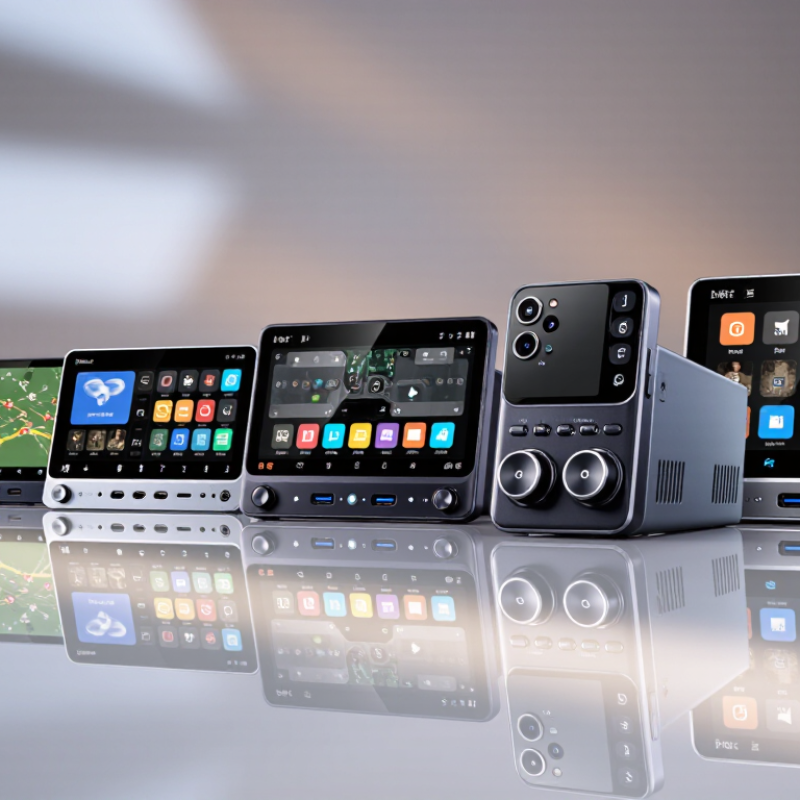
China’s top ten auto radio manufacturers usually offer three product groups: universal single-DIN units, double-DIN multimedia receivers, and vehicle-specific systems. Commercial buyers may also find radios designed for trucks, buses, and agricultural vehicles. Each type serves a different installation need. Universal units simplify replacement, while vehicle-specific models usually provide cleaner dashboard integration.
Feature comparisons should examine more than screen size. A strong unit may include AM/FM, digital radio support, hands-free calling, steering-wheel control, reverse-camera input, and smartphone mirroring. Useful details matter. Check microphone placement, button response, night brightness, and boot time. Some models start within ten seconds, while others feel noticeably slower in daily driving. Storage capacity also affects map updates, audio files, and system stability.
Technology quality depends on compatibility and testing. During supplier evaluations, buyers should request wiring diagrams, vehicle communication support, temperature testing, vibration records, and software update procedures. A radio that works on a workbench may fail after installation. That happens.
Audio output should be measured at realistic loads, not only advertised peak power. Wireless connections can also vary in crowded urban areas. I would not choose a supplier from specifications alone. Ask for sample units, inspect internal components, and test them across several vehicle models.
Certification documents, traceable quality records, and responsive technical support provide stronger evidence than polished demonstrations. One weakness remains common: some suppliers improve the interface faster than long-term firmware reliability.
China Top 10 Auto Radio Manufacturers for Global Buyers
When evaluating China’s top auto radio manufacturers, global buyers should look beyond factory photos and low quotations. Export reliability begins with documented production experience, stable component sourcing, and repeatable quality checks. Ask for test records covering audio output, screen durability, temperature resistance, and vibration performance. A sample should survive more than a showroom demonstration.
Compatibility is a practical concern. Confirm vehicle fitment, connector types, steering-wheel controls, reverse-camera input, and operating-system requirements. Request wiring diagrams and installation guides in clear English. Manufacturers should also provide accurate invoices, packing lists, certificates, and country-specific compliance documents. Small paperwork errors can delay customs clearance and damage launch schedules.
Packaging deserves attention. A radio packed with corner protection, moisture barriers, and labeled accessories faces fewer problems during long sea transport. Clarify minimum order quantities, production lead times, spare-part availability, and warranty response times. A named technical contact is more useful than a polished sales presentation. However, supplier claims still need independent verification. Factory audits can reveal limited testing equipment or outsourced assembly. That is uncomfortable, but useful. The cheapest offer may become expensive after returns, software updates, and installation complaints. Buyers should compare total landed cost, not only the unit price. Some assumptions will be wrong. A pilot order helps expose them before full production.