Top 10 Car Audio Tips for Better Sound Quality in Your Vehicle?
In the realm of car audio, achieving the best sound quality is an art. Renowned audio engineer, Sarah Johnson, emphasizes, "The clarity of sound can transform your driving experience." Understanding how to optimize car audio systems can feel overwhelming. Yet, with the right tips, anyone can elevate their in-car music experience.
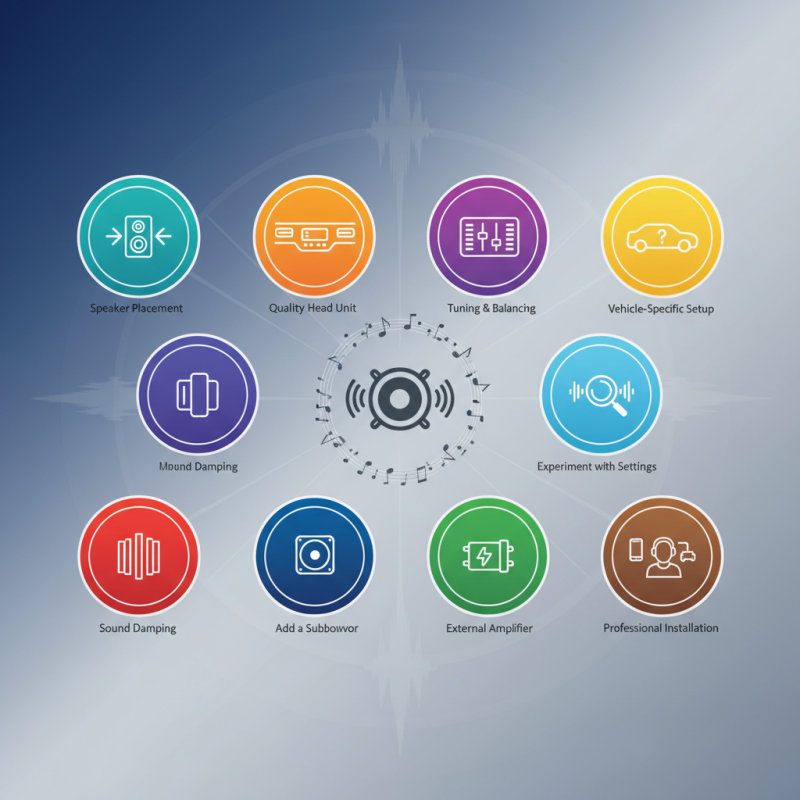
Many drivers underestimate the impact of speaker placement. Positioning your speakers correctly can enhance the sound stage significantly. Furthermore, investing in a quality head unit is crucial. It serves as the heart of any car audio system. However, even the best equipment requires proper tuning and balancing to avoid distortion.
Every car is unique, and what works for one may not work for another. It's important to experiment with settings. Subtle adjustments can lead to big improvements. Remember, even experts like Sarah Johnson continue to learn and refine their techniques. Embracing this journey is part of mastering car audio.
Choosing the Right Car Audio Equipment for Your Needs
When selecting car audio equipment, consider your listening habits. Do you prefer bass-heavy music or clear vocals? Understanding your preferences helps to choose the right speakers and subwoofers. According to a recent industry report, 30% of car audio users prioritize sound clarity over bass. This insight can guide you toward the right component choices.
Look for speakers with high sensitivity ratings. A sensitivity rating above 90 dB ensures a great sound experience with less power consumption. Also, the size matters. Larger speakers typically produce better bass, but they should fit well in your vehicle. An industry survey found that 45% of users reported dissatisfaction due to improper sizing.
Don’t overlook amplifiers. A good amplifier enhances sound quality by driving speakers more efficiently. An estimated 60% of audio enthusiasts claim that adding an amplifier transformed their listening experience. Reflecting on your setup and regularly adjusting it is essential. The goal is to achieve a sound that resonates with you, making every journey a pleasure.
Understanding Sound System Components and Their Functions
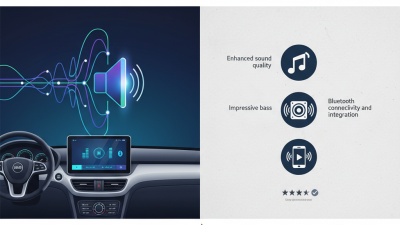
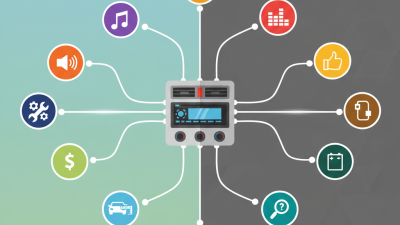
Understanding the components of your car's sound system is crucial for enhancing audio quality. The head unit is at the heart of it all. It controls functions like volume, tuning, and Bluetooth connectivity. A better head unit can lead to improved sound and more features, but it’s not a cure-all for bad sound.
Speakers play a significant role in sound quality. Quality speakers can produce clear highs and deep lows. You might find that factory-installed speakers lack the clarity you desire. Consider aftermarket options to elevate your listening experience. Subwoofers are another vital component. They provide the bass that fills your car with rich sound. Poor placement of a subwoofer can muddy the sound, so careful positioning is important.
Amplifiers serve to boost sound signals, making quiet audio more powerful. A well-matched amplifier can make a noticeable difference. However, mismatches can lead to distortion. Tweeters enhance high frequencies, which can add a layer of detail to your music. Local acoustics also impact sound. Experimenting with speaker placement can yield surprising results. Every car has different challenges, so adjustments might be necessary.
Tips for Proper Speaker Placement and Installation in Your Vehicle
When it comes to car audio, speaker placement plays a crucial role. Proper installation can dramatically enhance sound quality. According to a study by the Consumer Electronics Association, poorly placed speakers can lead to a 25% reduction in sound clarity. Aim to position speakers at ear level for optimal listening. This placement ensures sound waves reach your ears directly, reducing distortion.
Incorporating sound-deadening materials can elevate your audio experience. These materials absorb vibrations and reduce noise. Reports suggest that vehicles treated with sound-deadening materials can experience a 50% improvement in overall sound quality. Additionally, avoid obstructing speaker output with furniture or other components. Clean installation leads to cleaner sound.
Take your time with the installation process. Rushing can lead to misaligned speakers, diminishing audio performance. Research suggests that a thorough installation approach can significantly enhance bass response. Lastly, don't forget to adjust the equalizer settings after placement. Fine-tuning can optimize sound further. Aim for a balanced sound stage, ensuring no frequencies overpower others.
Optimizing Audio Settings for Enhanced Sound Quality
To enhance sound quality in your vehicle, focus on optimizing audio settings. Start by adjusting the equalizer. Lift the bass and treble slightly. This simple tweak can add depth to your music. However, don’t overdo it; too much bass can cause distortion. Listen carefully to find that sweet spot.
Next, consider the balance and fade settings. Set the balance towards the front speakers. This positioning usually improves clarity. But remember, this might make rear passengers lose some audio richness. Experiment with fading to find a level that satisfies everyone.
Finally, pay attention to volume levels. It’s tempting to crank it up, but high volumes can lead to sound clipping. Clipping damages your speakers over time. Aim for a volume that is loud but not straining. Don’t forget to check your source audio quality. Low-resolution tracks will always sound flat. Choosing better quality files improves your overall experience significantly.

 +86-18126757325
 CONTACT NUMBER
 CONTACT NUMBER