2026 Top Car Audio Trends Buyers Need to Know?
As we approach 2026, the world of Car Audio is evolving rapidly. New technologies and trends are reshaping how we experience sound in our vehicles. High-definition audio systems, wireless connectivity, and advanced speaker designs are just the tip of the iceberg. These innovations bring clearer sound and immersive experiences.
However, navigating these trends can be challenging for consumers. With so many products on the market, selecting the right system requires careful consideration. Buyers must focus on sound quality rather than just brand names. It's crucial to stay updated on expert reviews and emerging technologies.
Understanding the intricacies of Car Audio systems will help buyers make informed decisions. Seek out reliable sources and hands-on experiences to better appreciate the differences in audio quality. As we move forward, the right knowledge will ensure your driving experiences are captivating and enjoyable.
Emerging Technologies in Car Audio Systems for 2026
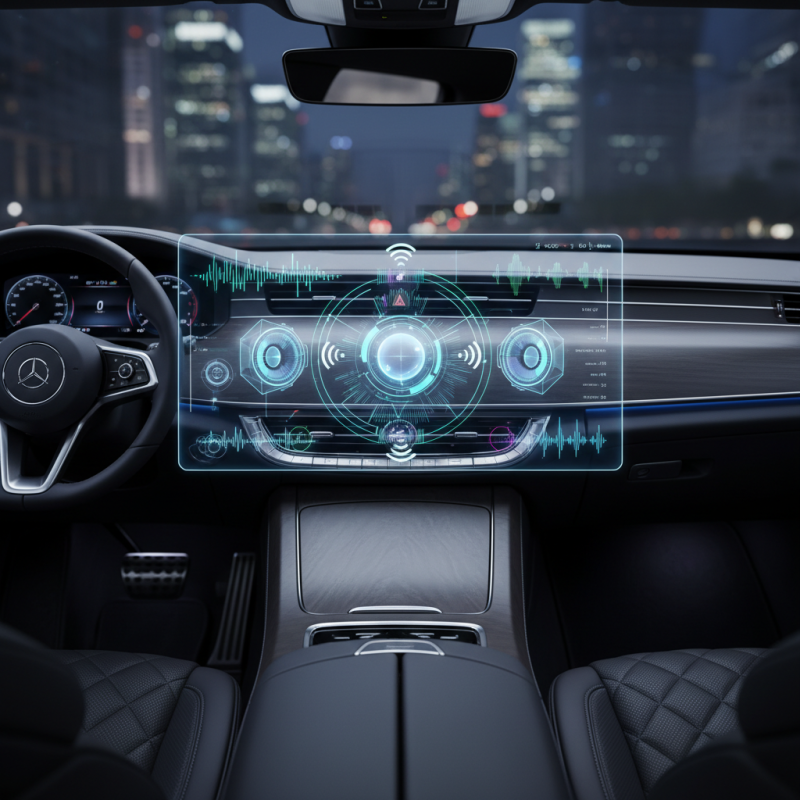
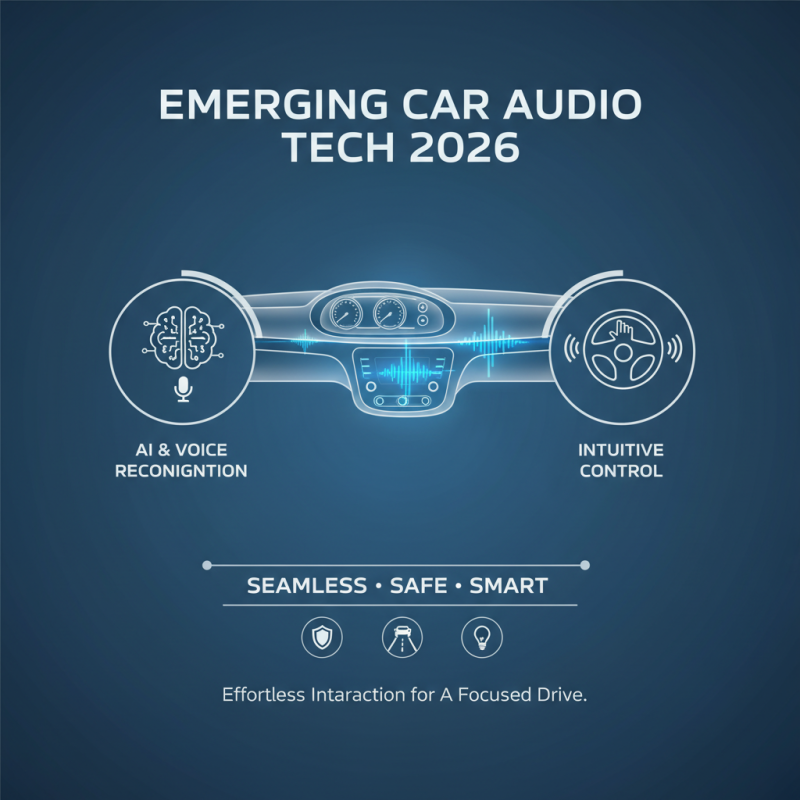
As we approach 2026, car audio systems are set to embrace remarkable technologies. Innovations like artificial intelligence and voice recognition will redefine user interaction. These advancements promise a more intuitive experience, allowing drivers to control settings easily while focusing on the road.
One noteworthy trend is the rise of immersive audio systems. These incorporate surround sound technology, creating a concert-like atmosphere inside the vehicle. Such experiences can elevate even the simplest drives. However, users must consider the potential distractions when controlling these features while driving.
Tips: Prioritize sound quality when upgrading your system. Research different speaker types and configurations to find the ideal setup. Ensuring compatibility with your vehicle is essential.
Another trend is wireless connectivity. Expect seamless integration with smart devices. Wireless audio streaming will eliminate messy cables and enhance convenience. Yet, users should be cautious of connectivity issues while on the go.
Tips: Regularly update your device's software to maintain performance. Also, test your audio system before long trips. This helps avoid unexpected glitches and ensures a smooth listening experience.
Personalization and Customization Trends in Car Audio Experience
The car audio industry is seeing a significant shift towards personalization and customization. Recent reports indicate that 72% of consumers prefer tailored audio experiences in their vehicles. This is a dramatic increase compared to previous years as drivers seek to create unique soundscapes that reflect their individual tastes.
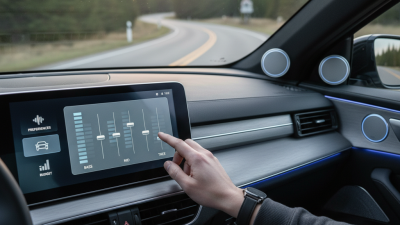
Many consumers are enhancing their audio systems with advanced features. Custom equalizers, surround sound settings, and personalized playlists are becoming standard. It’s no longer just about playing music; it’s about creating an immersive auditory environment. However, not all users are satisfied. Some struggle with complicated interfaces and overwhelming options. This highlights the need for intuitive designs that cater to diverse skill levels.
Data shows that younger drivers are particularly keen on custom audio solutions, with 65% prioritizing audio quality in their car purchase decisions. This demographic wants to connect their devices seamlessly, yet many find existing systems lacking in compatibility. As the industry evolves, the challenge will be to combine cutting-edge technology with user-friendly solutions that enhance personal experiences. Addressing these issues will be crucial for brands aiming to thrive in a highly competitive market.
2026 Top Car Audio Trends Buyers Need to Know
| Trend |
Description |
Impact on Buyers |
Expected Adoption Rate (%) |
| Personalized Sound Profiles |
Custom audio tuning based on individual preferences and vehicle acoustics. |
Enhances listening experience, leading to higher satisfaction. |
75% |
| Integration with Smart Devices |
Seamless connectivity with smartphones and smart home devices. |
Convenience and accessibility, increasing user engagement. |
80% |
| Customizable User Interfaces |
User-friendly interfaces that can be tailored to suit user preferences. |
Increases ease of use and personal attachment to the system. |
65% |
| Subscription-based Audio Content |
Access to premium audio content and services through subscription models. |
Provides variety and adaptability to user preferences. |
70% |
| Augmented Reality Audio Guidance |
Utilization of AR for immersive experiences and navigating assistance. |
Enhances safety and leads to a more engaging driving experience. |
50% |
Sustainability and Eco-friendly Choices in Car Audio Accessories
The automotive audio industry is shifting towards sustainability, reflecting a growing consumer preference for eco-friendly choices. A recent report indicated that over 70% of car buyers are interested in sustainable audio accessory options. This significant trend points to an evolving market that values both sound quality and environmental responsibility.
Manufacturers are now focusing on materials that reduce environmental impact. Recycled plastics and bio-based composites are becoming common in the production of speakers and subwoofers. Notably, studies have shown that products made from recycled materials can reduce greenhouse gas emissions by up to 30%. This creates a positive feedback loop, as customers increasingly demand high-performing products that also support sustainability goals.
The challenge lies in balancing performance with eco-conscious design. Some products may not deliver the expected sound fidelity when made solely from sustainable materials. This raises questions for consumers and manufacturers alike about prioritizing sound quality over sustainability. Innovation is crucial. The push for greener options must not compromise audio experiences, a crucial consideration for true car audio enthusiasts. The industry must reflect on how to meet these dual demands effectively.
Integration of Smart Features in Car Audio Systems for Enhanced Connectivity
The integration of smart features in car audio systems is revolutionizing how we interact with our vehicles. Users now expect seamless connectivity with their smartphones. This trend enhances the driving experience, allowing for hands-free navigation and easy access to music playlists. Voice recognition technology leads the way, enabling drivers to keep their focus on the road.
However, not all audio systems deliver this connectivity smoothly. Some users report lag in voice commands and difficulty syncing devices. This can be frustrating, especially during long drives. The challenge lies in striking a balance between advanced technology and user-friendly interfaces. Designers must prioritize intuitive controls that minimize distractions. Ensuring a reliable connection requires constant updates to software and hardware.
Ultimately, the goal is to create an interactive environment without overwhelming the user. Car audio systems must evolve to include features that enhance safety and enjoyment. Companies need to listen to user feedback. Continuous improvements can make a significant difference in this competitive market. Embracing user experiences will drive the industry forward.
2026 Top Car Audio Trends Buyers Need to Know
Key Brands Leading the Car Audio Innovation in 2026
The car audio landscape in 2026 is evolving rapidly. Many brands are making significant strides in incorporating cutting-edge technology into sound systems. This trend focuses on user experience. A more immersive audio experience is now a priority for many manufacturers. Enhanced streaming features and customizable sound settings are common in new models.
Key brands are pushing boundaries with innovative designs. Some systems now include AI capabilities for personalized listening experiences. This integration allows for real-time adjustments based on the listener’s preferences. However, not all brands achieve this seamless experience. Consumers often find that while the technology impresses, the overall sound quality can fall short.
In-car connectivity is becoming increasingly important. Many new systems support wireless connections, making it easier to link various devices. Yet, a gap remains in user-friendly interfaces. Some solutions are complex, leaving users frustrated. As brands navigate these challenges, it’s essential for them to balance technology with accessibility.

 +86-18126757325
 CONTACT NUMBER
 CONTACT NUMBER