2026 How to Install Car Stereo for Best Sound Quality?
Car stereo installation is a pivotal aspect of enhancing your in-car audio experience. According to industry reports, over 70% of car buyers prioritize sound quality when choosing a vehicle. This reflects a growing demand for effective car stereo solutions. Yet, many underestimate the importance of proper installation.
Inadequate installation can lead to subpar audio output and even damage to the system. Research indicates that 60% of users experience dissatisfaction due to poor setup. Factors such as speaker placement and wiring significantly impact sound quality. A well-installed system maximizes the potential of high-end speakers and amplifiers.
However, not everyone has the skills for a professional setup. DIY installations often lack precision. Mistakes can be costly, both financially and in terms of audio performance. Careful consideration of installation techniques can make a significant difference in achieving the best sound quality. Striving for excellence in car stereo installation is essential for any audiophile seeking to elevate their listening experience.
Understanding Car Stereo Components for Optimal Sound Quality
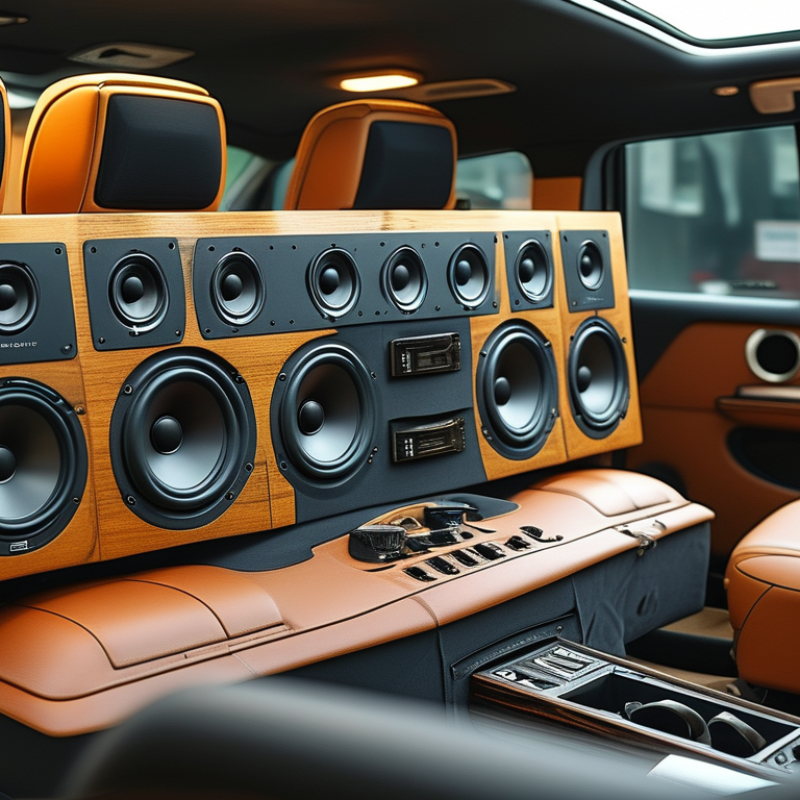
Understanding car stereo components is crucial for achieving the best sound quality. The main elements include
the head unit, speakers, amplifiers, and subwoofers. Each component plays a unique role. The head unit acts
as the command center, converting digital audio into an analog signal. According to a study by the Consumer
Electronics Association, upgrading to a high-quality head unit can improve sound clarity by up to 40%.
Speakers are equally important. They convert electrical signals into sound waves. Quality speakers can enhance
dynamics and deliver clearer highs and expansive lows. Research shows that 70% of users notice significant
sound improvements when switching from factory speakers to aftermarket options. However, the placement of
speakers also matters greatly; improper positioning can lead to a diminished listening experience.
Amplifiers boost audio signals to elevate volume levels and maintain sound quality. Nearly 60% of sound
quality issues stem from inadequate power. An amplifier can tackle this problem effectively. Additionally,
subwoofers provide depth to music, enriching bass performance. Yet, choosing an oversized sub can overwhelm
the cabin acoustics. It’s essential to balance size and output to prevent muddiness in sound. Each choice
affects the overall sonic reproduction, demonstrating that precision in component selection is paramount for
optimal sound quality.
Choosing the Right Location for Your Car Stereo Installation
When considering the installation of a car stereo, the location is crucial for optimal sound quality. Placing the stereo in an area that minimizes interference from surrounding components is essential. According to a study by the Consumer Electronics Association, improper installation locations can lead to a 25% decrease in sound clarity. This is significant as even minor adjustments in placement can drastically change audio performance.
Choosing the dashboard or center console often proves effective. These areas are designed for sound projection, allowing audio waves to emanate evenly throughout the vehicle. However, many installations overlook the impact of nearby surfaces. For example, securing the stereo too close to metal or glass can create unwanted reflections. Research shows that sound waves reflecting off hard surfaces can muddy audio clarity, reducing the overall experience.
Another consideration is the height of the stereo. A unit too low may produce a skewed sound stage, affecting how audio is perceived from the driver's seat. Installing the stereo at ear level can enhance the listening experience. Yet, many installers neglect this detail. It is vital to balance aesthetics with acoustic performance for the best sound quality. Taking the time to assess the right location can make a substantial difference in audio excellence.
2026 How to Install Car Stereo for Best Sound Quality? - Choosing the Right Location for Your Car Stereo Installation
| Location |
Advantages |
Disadvantages |
Sound Quality Tips |
| Dashboard |
Easy access to controls and display. |
May interfere with airbag functionality. |
Use sound-dampening materials to reduce vibrations. |
| Front Doors |
Improved sound staging and separation. |
Requires more effort for installation. |
Angle speakers towards the listener for better sound direction. |
| Rear Deck |
Enhances bass response. |
Limited accessibility to controls. |
Use a subwoofer for richer low-end frequencies. |
| A-Pillars |
Creates a more immersive sound field. |
Can obstruct driver's view if not installed carefully. |
Ensure proper angles to minimize sound reflections. |
Step-by-Step Guide to Wiring Your Car Stereo Correctly
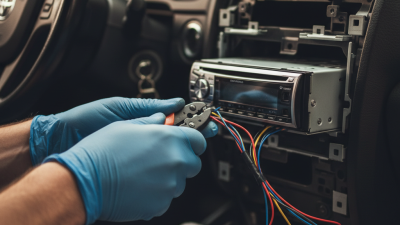
Installing a car stereo can significantly enhance your driving experience. Wired correctly, it can provide excellent sound quality. To achieve this, focus on each wiring step. It’s crucial to ensure all connections are secure. A loose wire can cause noise or lose audio entirely.
Before starting, gather all necessary tools: wire strippers, connectors, and a multimeter. Make sure to disconnect the battery. This prevents short circuits. Car wiring can be complex, so take your time. Keeping track of which wire goes where is essential. Using color-coded labels can help avoid confusion later.
Tips: Test each connection as you go. This ensures everything works before you finalize the installation. If you hear static or distortion, recheck the wiring. It’s better to fix issues now than later on the road. Also, consider speaker placement. Proper positioning can enhance sound clarity. Remember, the goal is better sound quality, not just volume.
Adjusting Settings for Enhanced Sound Quality After Installation
Achieving the best sound quality from your car stereo involves more than just installation. It requires careful adjustment of settings. Start by balancing the audio levels. Use the equalizer to enhance frequencies that suit your music preferences. Some people favor bass-heavy sounds; others prefer treble. Test different settings to find your ideal mix.
When adjusting these settings, remember to listen to a variety of music genres. Each genre highlights different audio frequencies. This practice helps you understand what works best. Don't be afraid to make mistakes during this process. Sometimes, an unexpected setting can yield amazing results.
Tips: Aim for moderate volume levels to avoid distortion. Too much volume can damage speakers. Regularly revisit your settings after changes, like speaker upgrades. Your ears may adapt over time, and what sounds good today may not be ideal tomorrow. Explore all options to enhance your listening experience.
Sound Quality Settings After Car Stereo Installation
Testing and Troubleshooting Common Sound Quality Issues
Testing and troubleshooting common sound quality issues can elevate your car audio experience. Many users face problems like distortion, imbalance, or weak bass. According to a survey by the Consumer Electronics Association, nearly 40% of car owners report dissatisfaction with their audio systems’ sound quality. This signifies the importance of addressing these issues effectively.
To begin troubleshooting, check the speaker placement. Speakers positioned too close to each other may result in sound muddiness. Consider off-axis placements for clearer stereo separation. Additionally, evaluate your audio source settings. Poorly compressed audio files can diminish sound quality. Aim for high-bit-rate files to enhance overall sound clarity. Use an equalizer to adjust frequencies tailored to your listening environment.
Another common issue is power handling. Ensure that your amplifier matches your speaker’s specifications to prevent distortion. The impedance mismatch might cause one part of the audio spectrum to overpower another, leading to an imbalance. Pay attention to wiring, too. Poor connections or low-quality cables may result in signal loss. Keeping your setup clean and well-organized can mitigate these problems.

 +86-18126757325
 CONTACT NUMBER
 CONTACT NUMBER