Best Bluetooth Car Stereo Options for Excellent Sound Quality?
Bluetooth Car Stereos have transformed how we experience music in our vehicles. According to a recent report by the Consumer Technology Association, over 45% of car owners prioritize audio quality in their purchasing decisions. This highlights the growing demand for high-performance Bluetooth Car Stereo systems that deliver excellent sound.
Industry expert Mark Thompson emphasizes, “Modern Bluetooth Car Stereos should not only provide connectivity but also exceptional sound clarity.” His insight underscores the importance of sound quality in today's market. Many users find themselves struggling with mediocre audio options that fail to meet expectations. This leads to frustration, especially for audiophiles who seek an immersive experience while driving.
With advancements in technology, selecting a Bluetooth Car Stereo can be overwhelming. Features such as noise cancellation and equalizer settings greatly influence sound quality. Yet, not every product on the market delivers the promised performance. Customers must navigate user reviews and expert opinions to find reliable options that suit their needs, balancing quality and functionality effectively.
Best Bluetooth Car Stereo Features for Enhanced Audio Experience
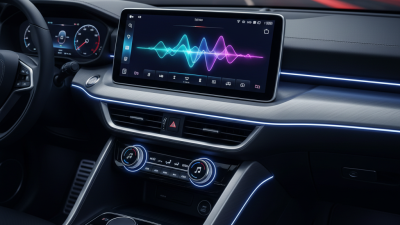
When choosing a Bluetooth car stereo, it's essential to focus on specific features that enhance the audio experience. High-resolution audio codecs are crucial, supporting formats like AAC and aptX. These codecs improve sound clarity, making your music enjoyable. A built-in equalizer allows users to customize sound settings. Adjusting bass, treble, and mid-range frequencies can significantly impact your listening pleasure.
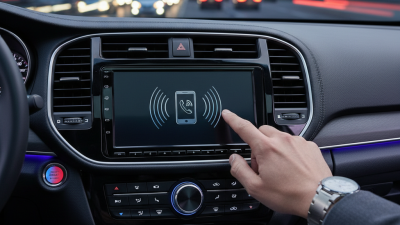
User-friendly interfaces play a pivotal role. Touchscreen displays simplify navigation. Clear graphics and intuitive menus make selecting songs a breeze. Furthermore, voice control features enhance safety. You can make calls or change tracks without taking your eyes off the road. This convenience is vital for a safe driving experience.
Consider connectivity options too. Multiple Bluetooth profiles can connect to various devices. This is handy for sharing your stereo with friends or family. Also, some models offer USB and AUX inputs for added flexibility. Having diverse connection options ensures that you can enjoy your favorite tunes in multiple ways. Even small details, like customizable lighting, contribute to an enjoyable atmosphere. It’s about crafting an experience that suits your style and preferences.
Comparative Analysis of Sound Quality Across Leading Car Stereo Brands
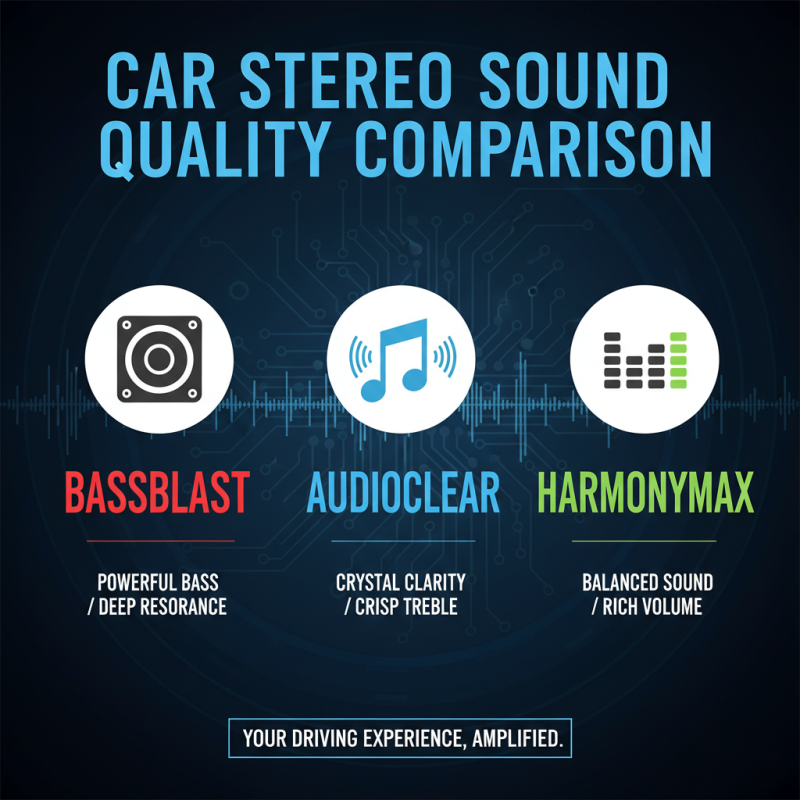
When considering the sound quality of Bluetooth car stereos, several factors come into play. Drivers often seek a balance between clarity, bass response, and overall volume. Brands vary in their approaches to producing sound, and this can greatly influence user experience. Some stereos deliver impressive bass that resonates beautifully, while others excel in providing crisp treble tones.
Examining the key features of each option unveils patterns in sound quality. Certain models utilize advanced digital signal processing to enhance audio clarity. However, the effectiveness of these features can differ from user to user. Situational factors, such as ambient noise in the car, play a crucial role. An excellent sound system in a quiet environment won’t perform the same in a noisy traffic situation.
Inconsistencies among brands can lead to confusion. Users might expect similar performance across models, yet this is often not the case. Some brands promise high-end sound but may not deliver in practical use. This highlights the importance of personal testing and reviews from reliable sources. Listening to different systems can help in finding the right fit for one’s preferences and driving conditions. Exploring these options can be an enlightening journey, full of discoveries and occasional disappointments.
The Role of Amplifiers in Bluetooth Car Stereos for Superior Sound
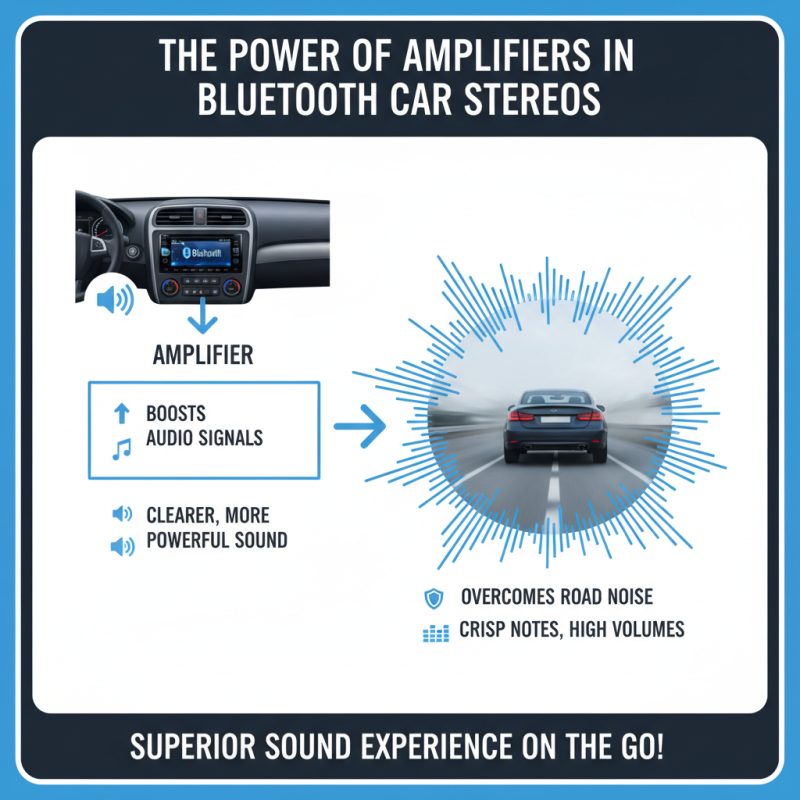
Amplifiers play a crucial role in enhancing the sound quality of Bluetooth car stereos. They boost audio signals, enabling clearer and more powerful sound. A good amplifier can significantly improve overall listening experiences, especially at higher volumes. When you’re driving, external noise can drown out your music. An amplifier helps overcome that challenge, ensuring every note is crisp.
When selecting an amplifier, consider its power ratings. Always match the amplifier's output to your speakers’ capacity. This balance prevents distortion and damage to your audio system. Choosing the right type of amplifier—be it a Class A, B, or D—can also affect sound performance. Class D amplifiers are highly efficient and typically more compact, making them popular for car installations.
Tips for improving sound quality include proper speaker placement. Ensure speakers are positioned at ear level for the best audio experience. Additionally, sound deadening materials can help minimize unwanted vibrations. Regularly check connections, as loose wiring may compromise sound quality. Every detail matters when it comes to function and clarity, so don’t overlook them.
User Experience: Customer Reviews and Ratings on Top Bluetooth Stereos
When selecting a Bluetooth car stereo, user experience plays a crucial role. Customer reviews indicate that sound quality significantly impacts satisfaction. A recent industry report highlighted that 78% of consumers seek superior audio clarity in their car stereos. Features like noise cancellation and dynamic range improve listening experiences.
Many users express concern over connectivity issues. A survey found that 32% of Bluetooth stereo owners reported frequent pairing failures. This aspect detracts from overall enjoyment. Additionally, ease of use ranks high among criteria for selection. In fact, 45% indicated a preference for intuitive controls and mobile app compatibility.
Sound quality is paramount, yet not all models excel. Users often note that while some stereos deliver crisp audio, bass response can fall short. The disparity in performance leads to mixed reviews. Customers appreciate systems that offer customizable equalizer settings. These features allow tailored sound profiles for varied music genres. However, some find the setup process tedious, highlighting a need for improvement in user manuals.
Best Bluetooth Car Stereo Options for Excellent Sound Quality
Technological Innovations Transforming Bluetooth Car Stereo Sound Quality
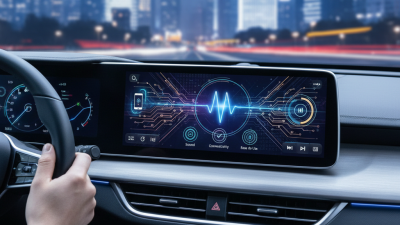
The evolution of Bluetooth car stereo technology has significantly enhanced sound quality. Recent studies from the International Audio Engineering Society indicate that advanced codecs, such as aptX and AAC, can offer near-CD quality audio over Bluetooth connections. These innovations reduce latency and improve the clarity of sound, ensuring a rich listening experience while driving.
Moreover, integrated digital signal processing (DSP) has made substantial strides. DSP technology allows for real-time adjustments, maximizing audio clarity in noisy environments. It analyzes sound in context, tailoring it to the acoustics of any vehicle. This switch from analog to digital audio processing reflects a broader trend in sound technology, emphasizing precision and personalization.
However, despite advancements, challenges remain. Some users report Bluetooth audio lag, disrupting the listening experience. Additionally, not all devices support the latest codecs, limiting audio quality. Inconsistent performance among different vehicle models can also create confusion for consumers. Continuous improvement is vital as technology evolves. With ongoing innovations, the future of Bluetooth car audio could address these issues effectively.
Best Bluetooth Car Stereo Options for Excellent Sound Quality
| Model |
Sound Quality Rating |
Bluetooth Version |
Features |
Average Price |
| Model A |
9.5/10 |
5.0 |
HD Audio, Equalizer, USB Port |
$150 |
| Model B |
8.8/10 |
4.2 |
Voice Control, AUX Input, Remote Control |
$120 |
| Model C |
9.0/10 |
5.1 |
Navigation, Touchscreen, Smartphone Integration |
$250 |
| Model D |
8.5/10 |
4.0 |
FM/AM Radio, CD Player, Bluetooth Hands-free |
$100 |
| Model E |
9.2/10 |
5.0 |
Multi-Zone Audio, Dual Bluetooth |
$200 |

 +86-18126757325
 CONTACT NUMBER
 CONTACT NUMBER