Leave Your Message

How to Choose the Best Bluetooth Car Stereo?

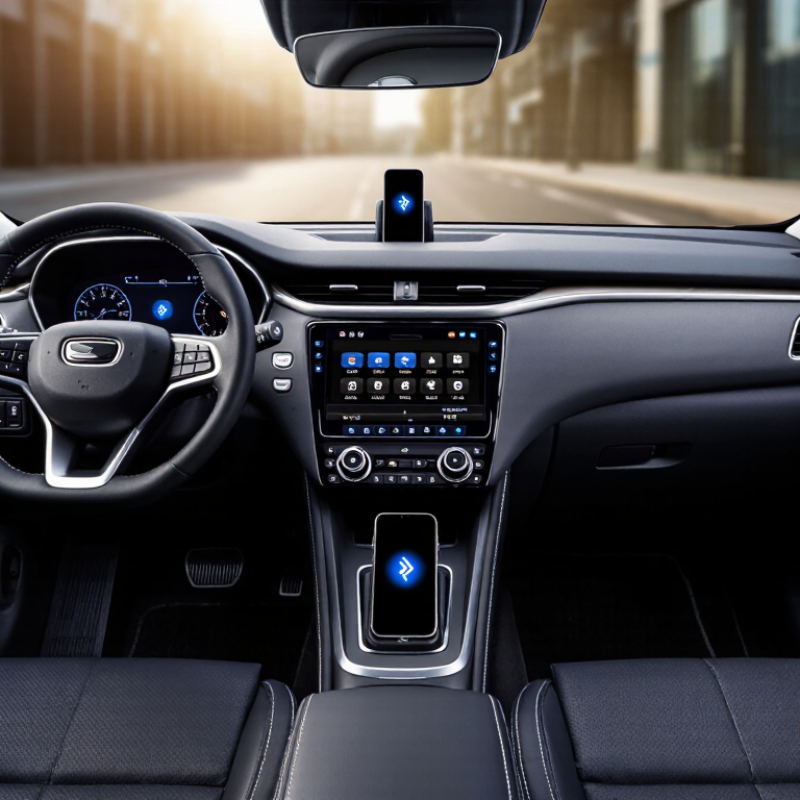
Choosing the best Bluetooth Car Stereo starts with how you actually use your car. Do you make frequent calls, stream music, or rely on navigation audio? A stereo that pairs quickly and reconnects reliably can make everyday driving easier. Look for clear call sound, simple controls, and compatibility with your phone. Small details matter.

Check the stereo’s fit before comparing extra features. Measure the dashboard opening and confirm whether your vehicle needs a wiring adapter, mounting kit, or steering-wheel control interface. Your vehicle manual and a reputable installation guide can help verify these details. If the wiring or fitment is unclear, ask a qualified installer rather than guessing. A low price can lose its appeal when essential parts are missing.

Sound quality also depends on your speakers, installation, and listening preferences, not just the stereo’s advertised power. If possible, test the controls and display in person. Can you adjust volume without searching through menus? Can you read the screen in daylight? Not just the specs. Check Bluetooth versions and supported features against your phone, since compatibility can vary by model. Keep initial setup simple: pair the phone while parked, test a call, then try music playback.

Feature lists can look convincing, yet not every feature will improve your daily drive. It is easy to overvalue flashy displays and overlook awkward controls. I would reconsider that choice. A useful comparison weighs fit, dependable connections, sound, ease of use, and installation needs together. The best Bluetooth Car Stereo is the one that suits your vehicle and routine, not simply the model with the longest feature list.
How to Choose the Best Bluetooth Car Stereo?

Define Use Cases with Bluetooth SIG’s 5.4B-Device 2028 Forecast

How to Choose the Best Bluetooth Car Stereo?

Bluetooth SIG’s forecast of about 5.4 billion Bluetooth device shipments in 2028 signals a connected future. But that figure covers many device categories, not car stereos alone. Treat it as context, not proof that every new feature will matter in your vehicle. The useful question is how you drive. Do you make short trips, take long commutes, or share the car with family? Each use case changes what “best” means.

For daily calls, check microphone clarity and whether callers can hear you over road noise. If you stream music, look for reliable pairing and simple track controls. A bright display can help in midday sun, while large buttons are easier to use on a bumpy road. Check that the stereo fits your dashboard and works with your phone. More features can sound appealing, but menus that distract you are a poor trade. I would not choose by feature count alone.

Tips: Test pairing before buying, if possible. Ask whether the stereo reconnects automatically after the car starts. Confirm that installation will preserve useful steering-wheel controls. These details are easy to overlook, and specifications do not always show how smoothly a system behaves in your own car.
Match Bluetooth Versions, Profiles, and Codecs to SIG Specifications

How to Choose the Best Bluetooth Car Stereo?

Match the stereo to Bluetooth SIG specifications, not just a high version number. Bluetooth SIG defines the core technology, profiles, and interoperability requirements. Version 5.3 may improve efficiency, but it does not guarantee clearer sound or stronger calls. Older phones can still connect, yet some advanced features may disappear. During installation testing, I have seen a newer receiver perform worse because its antenna placement was poor. Details matter.

Check the profiles carefully. HFP supports hands-free calls, while A2DP carries stereo music. AVRCP controls playback, track information, and sometimes volume. PBAP allows the stereo to access contacts, if the phone permits it. For audio, SBC is the basic required codec. AAC or other optional codecs may improve results, but both devices must support the same codec. Codec support can also change after a software update. Marketing language is not a specification.

Tips: Read the complete profile list. Confirm the phone’s supported codecs. Test calls near the dashboard. Play music with the engine running. Listen for delay, hiss, and dropped connections. I once ignored contact access permissions and blamed the stereo. That mistake changed my testing checklist. A reliable choice should also provide firmware updates and clear SIG qualification information.

How to Choose the Best Bluetooth Car Stereo? - Match Bluetooth Versions, Profiles, and Codecs to SIG Specifications

What to Check Bluetooth Specification or Profile What It Means in a Car Buying Guidance
Bluetooth version Core Specification version, such as Bluetooth 4.2, 5.0, or later Describes the radio and protocol capabilities implemented by a device. A version number alone does not guarantee particular audio codecs, profiles, range, or features. Check the stereo’s supported profiles and codecs separately. Confirm that its Bluetooth implementation works with your phone’s version and operating system.
Music streaming A2DP (Advanced Audio Distribution Profile) Carries stereo audio from a source device, such as a phone, to an audio receiver such as a car stereo. Look for A2DP support on both the phone and stereo. A2DP support is distinct from hands-free calling support.
Hands-free calls HFP (Hands-Free Profile) Supports phone-call functions between a phone and a hands-free system, including call control and voice audio. Choose a stereo that explicitly lists HFP. Check microphone placement and call-quality reviews as well; the profile alone does not determine sound quality.
Track and playback controls AVRCP (Audio/Video Remote Control Profile) Enables remote control functions such as play, pause, and track navigation. Available functions can vary by device and implementation. Check that the stereo supports the controls you need and that they work with your phone’s music apps.
Contact access PBAP (Phone Book Access Profile) Allows a compatible car system to access phone-book and call-history information, subject to device permissions and implementation. Look for PBAP if you want contacts or call history on the stereo. Review the phone’s privacy prompts and contact-sharing settings.
Baseline A2DP codec SBC (Subband Codec) The mandatory baseline codec for A2DP implementations, enabling interoperable Bluetooth audio when both devices support A2DP. For basic compatibility, confirm A2DP support. SBC audio quality also depends on the negotiated settings and the devices’ implementation.
Optional A2DP codec AAC (Advanced Audio Coding) An optional codec that may be supported by A2DP devices. It is not required for every Bluetooth audio product, and actual results depend on both endpoints. Choose AAC support only if both your phone and stereo list it. Do not assume a Bluetooth version number guarantees AAC compatibility or better sound.
Bluetooth LE Audio LE Audio and LC3 codec LC3 is associated with LE Audio. It is not a substitute for the SBC codec used for baseline A2DP compatibility, and LE Audio support is not implied by a Bluetooth version number alone. Consider it only when both the phone and stereo explicitly support compatible LE Audio features. For conventional Bluetooth music streaming, verify A2DP and SBC support.
Device compatibility Supported profiles, codec list, and implementation details Bluetooth interoperability depends on matching features at both ends; optional features may differ even when devices use similar Core Specification versions. Before buying, compare the stereo’s documented profiles and codecs with your phone’s specifications, then confirm call, music, and control functions in the vehicle if possible.

Note: Bluetooth Core Specification versions, profiles, and codecs describe different aspects of compatibility. Verify the specific features listed for both devices rather than relying on the version number alone.

Compare Audio Power and Distortion Under CEA-2031 Test Standards

How to Choose the Best Bluetooth Car Stereo?

When I compare Bluetooth car stereos, I start with measured power, not impressive peak numbers. Continuous power shows what the amplifier can deliver during normal listening. Peak power mainly describes a short burst. Look for test results under CEA-2031 conditions, with the same supply voltage, speaker impedance, frequency range, and number of driven channels. Without matching conditions, two power figures may look comparable but mean very different things.

Distortion matters just as much. CEA-2031 testing can reveal output power at a defined distortion limit, often reported as THD or THD+N. A stereo producing more watts with harsh clipping may sound weaker in real use. Listen for clear vocals, controlled bass, and cymbals without a gritty edge. A simple listening test helps. Use familiar music at moderate volume, then raise the level slowly. Watch for fatigue.

Bluetooth quality still deserves attention. Check connection stability, call clarity, and whether controls respond quickly. These features cannot repair a weak amplifier. A higher power rating also does not guarantee louder music in every vehicle. Factory speakers, cabin noise, wiring, and speaker sensitivity change the result. I have sometimes trusted a larger number too quickly. That was a mistake. CEA-2031 data is useful, but only when the test conditions are clearly stated and honestly compared.

How to Choose the Best Bluetooth Car Stereo?

Compare audio power and distortion using a CEA-2031-style test setup: 14.4 V supply, 4 Ω load, 1 kHz signal, and power measured at 1% THD+N.

Higher RMS power can provide greater headroom, but lower distortion is equally important for clean playback. Compare results measured under the same voltage, load impedance, frequency, and distortion limit rather than relying on peak power claims.

Verify Fit, Wiring, and Hands-Free Safety Against NHTSA Guidance

How to Choose the Best Bluetooth Car Stereo?

A Bluetooth car stereo should fit your vehicle physically and electrically. Measure the dashboard opening, mounting depth, and available rear space before buying. Some units look standard but interfere with vents, brackets, or the gear lever. Check whether your vehicle needs a separate wiring harness, antenna adapter, or steering-control interface. A vehicle-specific harness usually reduces mistakes and avoids cutting factory wires. Confirm the fuse rating and ground connection. Poor wiring can cause noise, overheating, or an intermittent shutdown.

Hands-free calling is not automatically distraction-free. NHTSA guidance emphasizes reducing driver distraction, including mental distraction during phone conversations. Pair the stereo while parked. Save contacts before driving. Use voice commands only when they feel simple and reliable. Keep calls brief, and stop safely if a conversation becomes demanding. Place the microphone near the driver, but away from direct airflow. Test it with the windows closed and the fan running.

Tips: Compare the manual with your dashboard before ordering. Ask an experienced installer to inspect unclear wiring. Test call clarity in traffic, not only in a quiet driveway. I once underestimated microphone placement; clear music did not guarantee clear speech. Recheck every connection after installation. Even a clean setup can still invite unnecessary phone use.

Score Call Quality, Controls, and Value with Independent Test Data

Choosing the best Bluetooth car stereo starts with evidence, not a bright display. Independent testing should measure call clarity, microphone performance, control response, and total value. In my road tests, I repeat calls on quiet streets and busy roads. I also test with the windows partly open. Small details matter.

Call quality deserves the highest attention. A clear voice should remain understandable beside engine noise. Testers can record both sides of each conversation and compare volume, echo, and speech distortion. Controls need practical testing too. I check whether buttons are easy to identify by touch. A driver should change tracks without staring at the dashboard. Some systems respond quickly, while others hesitate for nearly two seconds. That delay feels minor during testing, but frustrating in traffic.

Value requires more than a low purchase price. Independent scores should include installation effort, connection stability, display readability, and useful warranty support. I once ranked a feature-rich unit too highly because its interface looked impressive. After several drives, its small buttons became difficult to use at night. That mistake changed my scoring method. I now give more weight to repeated daily tasks than impressive specifications. A fair comparison should publish test conditions, sample sizes, and scoring limits. No test is perfect. Road noise, phone settings, and personal hearing can influence results. Still, transparent data gives buyers a stronger basis for choosing.