2026 Top Car Audio Trends That Every Buyer Should Know?
As we approach 2026, the world of car audio is evolving rapidly. New trends are shaping how we experience sound in our vehicles. Car audio systems are not just about playing music anymore. They enhance driving pleasure and commute efficiency.
With advancements in technology, users are expecting more from their audio setups. Integrated features like Bluetooth, voice control, and high-definition sound are becoming standard. However, not all systems meet these expectations. Some products may overpromise but underdeliver. Buyers need to discern between quality and hype. Individual tastes play a crucial role in choosing the right system. What sounds good to one person may not please another.
In this dynamic landscape, understanding 2026's top trends is key. Consumers must be informed to make smart choices. Keeping an eye on these trends will help ensure you invest in a quality car audio system. You deserve a sound experience that matches the joy of driving.
2026 Trends in Car Audio: Overview of Emerging Technologies
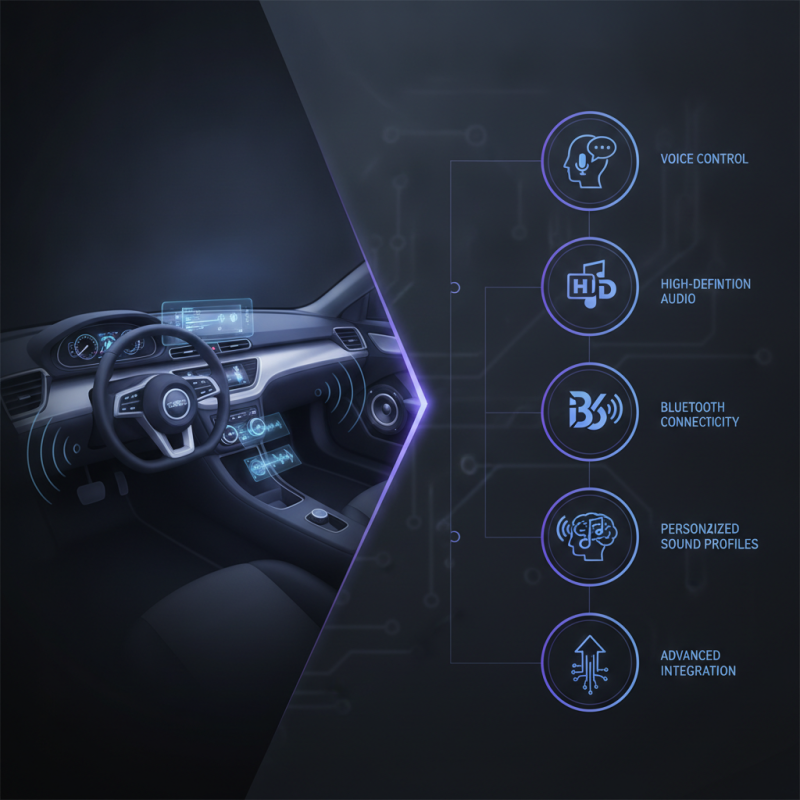
In 2026, car audio technology is evolving rapidly. Emerging technologies are reshaping how we experience sound in vehicles. Innovations in wireless technology allow seamless streaming from devices. This means fewer cables and greater flexibility for users. Integration of voice control systems enhances convenience, enabling drivers to adjust settings hands-free.
High-resolution audio formats are gaining popularity. These formats provide clearer and richer sound quality, appealing to audiophiles. However, not every listener can distinguish these subtleties. Manufacturers are also exploring the use of artificial intelligence in audio systems. AI can personalize sound settings based on user preferences, but it might not fully satisfy everyone’s taste.
There’s a growing trend in sustainability. Eco-friendly materials are being used in speakers and other components. While this is beneficial, the effectiveness of these materials in sound production can sometimes be questionable. Moreover, the rise of subscription-based models for music services offers vast selections. Still, reliance on a stable internet connection can be a drawback for some users, especially during long drives in remote areas.
These trends highlight a transformative landscape in car audio, filled with both remarkable advancements and areas needing improvement.
The Rise of Wireless Audio Systems in the Automotive Industry
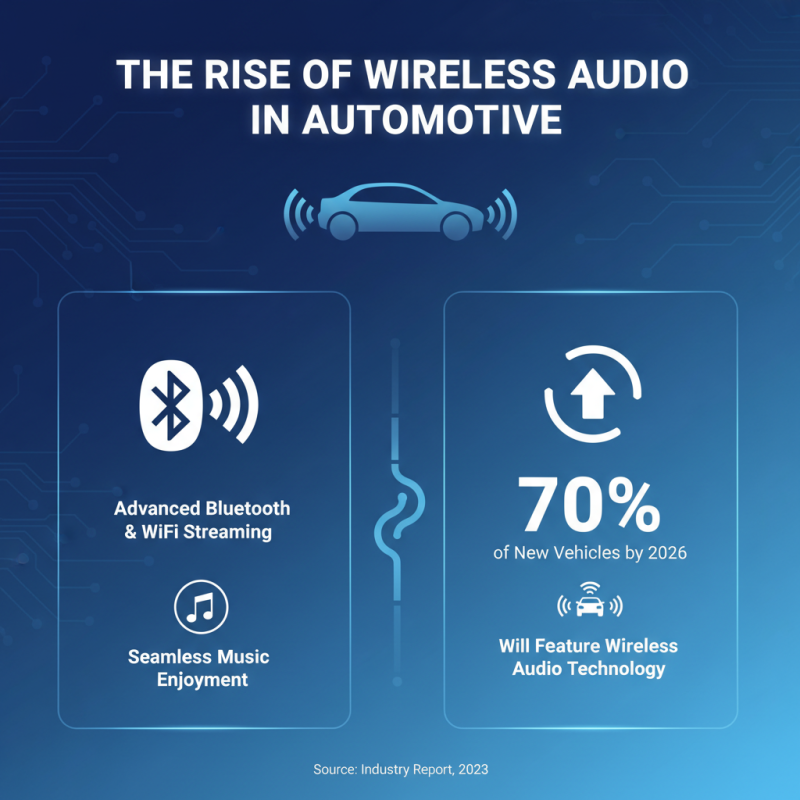
The automotive audio landscape is transforming rapidly. Wireless audio systems are at the forefront of this change. According to a recent industry report, nearly 70% of new vehicles by 2026 will feature wireless audio technology. This includes advanced Bluetooth and Wi-Fi streaming options, making it easier for drivers and passengers to enjoy music seamlessly.
MLive reports that consumers often prefer the simplicity of wireless systems over traditional wired setups. The convenience factor appeals greatly to new car buyers. Yet, the transition isn’t without issues. Some users report connectivity problems and sound quality concerns. These factors may cause frustration, leading potential buyers to hesitate.
Tip: When considering a vehicle, test the audio system's reliability during your visit. Ensure it connects without issues to your devices.
Another area of concern involves battery life. Many wireless devices rely heavily on battery power. This might impact performance and usage duration. Regular maintenance can help optimize audio systems. Checking for software updates or troubleshooting connectivity issues may enhance your experience.
Tip: Investigate user reviews for insight into real-world functionality. Look out for feedback on audio performance and connectivity.
Integration of Smart Assistants: Enhancing In-Car Experience
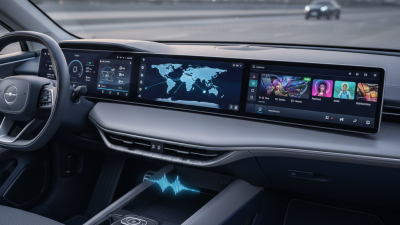
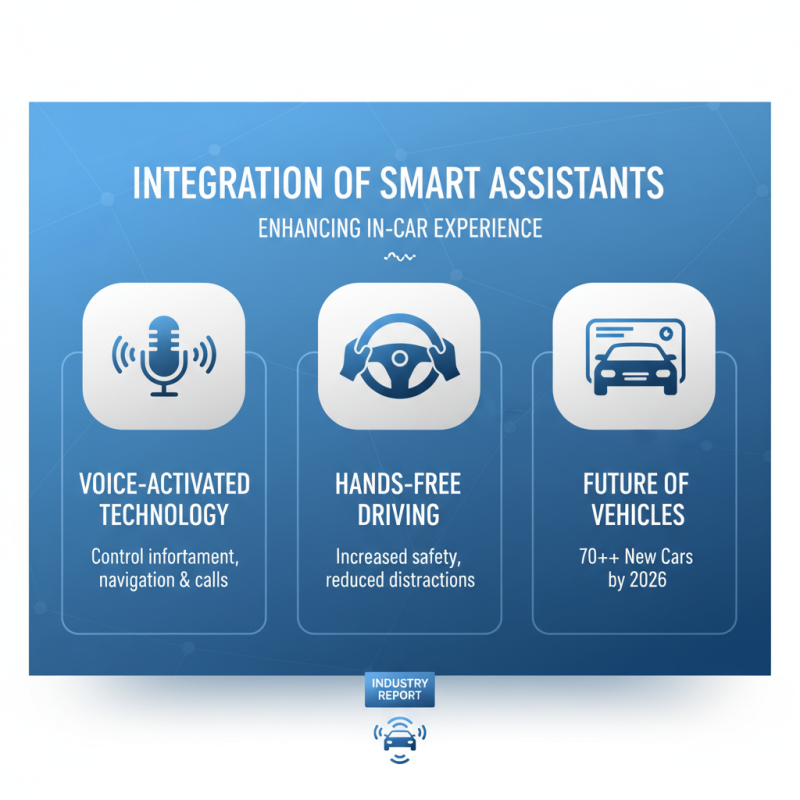
The integration of smart assistants in car audio systems is revolutionizing the driving experience. According to a recent industry report, over 70% of new vehicles will feature some form of voice-activated technology by 2026. This shift allows drivers to interact with their infotainment systems without taking their hands off the wheel.
Smart assistants can manage navigation, music selection, and hands-free calling. This technology enhances convenience and safety, as it minimizes distractions. Recent studies indicate that drivers who use voice commands are 30% less likely to be involved in accidents compared to those using traditional controls. However, the reliability of this technology can vary. Many users report frustration with voice recognition accuracy, particularly in noisy environments.
Integration isn’t without its challenges. Incorporating smart assistants may require updates to existing car systems, leading to compatibility issues. Some users struggle to find the optimal balance between voice commands and touch controls. Despite these drawbacks, the trend toward smart technology continues to gain momentum, with more consumers seeking vehicles that offer seamless integration.
Impact of High-Resolution Audio Formats on Car Audio Systems
High-resolution audio formats are changing car audio systems. Traditional formats have limitations in clarity and detail. High-resolution audio offers greater depth and a wider range. This enhances the listening experience with more nuanced sounds. Every note becomes sharper and more defined.
However, not all car audio systems can fully utilize these formats. Many vehicles come equipped with standard sound systems. Upgrading to a high-quality system may be necessary. It requires expertise to choose the right components. Additionally, high-resolution files take up more storage space. This can be a concern for drivers who rely on digital libraries.
Knowledge of audio formats remains essential. Understanding the differences helps buyers make informed choices.Consumers must also consider the quality of their digital files. Lossless formats provide a richer sound. Yet, they may not always be practical for everyone. Balancing quality and convenience is important.
Impact of High-Resolution Audio Formats on Car Audio Systems
Consumer Preferences: What Buyers Look for in Car Audio Solutions
When it comes to car audio solutions, consumer preferences are evolving rapidly. Buyers seek powerful sound quality, enabling a richer listening experience. They want systems that offer deep bass and clear treble. Those who travel frequently prefer features that enhance their journey, such as noise cancellation technology.
Ease of use is another significant factor. Many buyers desire intuitive interfaces and seamless connectivity with their devices. They expect quick access to apps and playlists. Yet, some systems often fall short in user-friendliness. A complicated setup can frustrate users.
Aesthetic appeal also matters. Car audio systems should complement the vehicle's interior design. Many buyers consider the look and feel of the audio equipment important. Taking the time to choose visually appealing devices can enhance overall satisfaction. Despite these preferences, some consumers may find the market overwhelming. They may not know where to start, leading to confusion during their purchasing journey.
2026 Top Car Audio Trends That Every Buyer Should Know
| Trend |
Description |
Popularity (%) |
Target Audience |
| Wireless Technology |
Increasing preference for Bluetooth and Wi-Fi audio systems. |
78 |
Millennials, tech-savvy users |
| Integration with Smart Devices |
Seamless connection with smartphones and smart home systems. |
82 |
Younger consumers, urban dwellers |
| Enhanced Sound Quality |
Demand for high-definition audio systems remains strong. |
90 |
Audiophiles, music enthusiasts |
| Customizable Features |
Desire for personalized audio settings and interfaces. |
66 |
All age groups |
| Sustainable Technologies |
Rise in demand for eco-friendly and energy-efficient audio solutions. |
54 |
Environmentally conscious consumers |
| Advanced Connectivity |
Support for multiple audio sources and streaming platforms. |
76 |
Tech enthusiasts, frequent travelers |

 +86-18126757325
 CONTACT NUMBER
 CONTACT NUMBER