Top 10 Car Multimedia Systems You Must Consider in 2026?
As we look ahead to 2026, the landscape of car multimedia is evolving rapidly. Innovations in technology are transforming the way we interact with vehicles. Drivers now seek systems that offer more than just audio playback. They want seamless integration with their digital lives.
Car multimedia systems must support features like intuitive interfaces and voice commands. They should allow for easy access to navigation and streaming services. Convenience and safety go hand in hand. Users demand systems that minimize distractions and enhance driving experiences.
However, not all systems meet these expectations. Some may prioritize flashy features over reliability. Others might lack essential functionalities that users need. Choosing the right car multimedia system requires careful consideration. This guide will explore the top options for 2026, ensuring you find the best fit for your needs.
Overview of Car Multimedia Systems in 2026
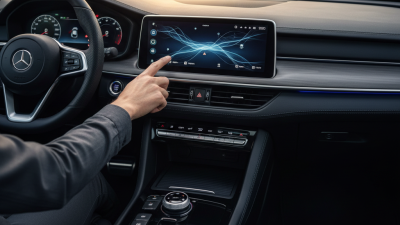
In 2026, car multimedia systems are evolving to enhance connectivity and convenience. These systems focus on
intuitive interfaces and seamless integration with mobile devices. Expect to see
large touchscreens with vibrant displays that provide easy access to
apps, navigation, and entertainment. Voice recognition has improved, allowing users to control functions
without distractions.
Tips: When choosing a system, prioritize user interface design. A well-designed interface can
make a significant difference in your driving experience. Look for systems that update regularly and
offer new features over time.
Safety is paramount. Systems now incorporate advanced driver-assistance features that interact with multimedia
functions. However, not all features are perfect; some may distract more than help. Reflect on your usage habits
and choose a system that truly enhances your driving safety and enjoyment.
Incorporating social media and streaming services has become a common trend.
Still, be cautious about privacy concerns. Evaluate how data is used and stored. A reliable system
should prioritize your privacy while providing connectivity.
Key Features to Look for in Modern Multimedia Systems
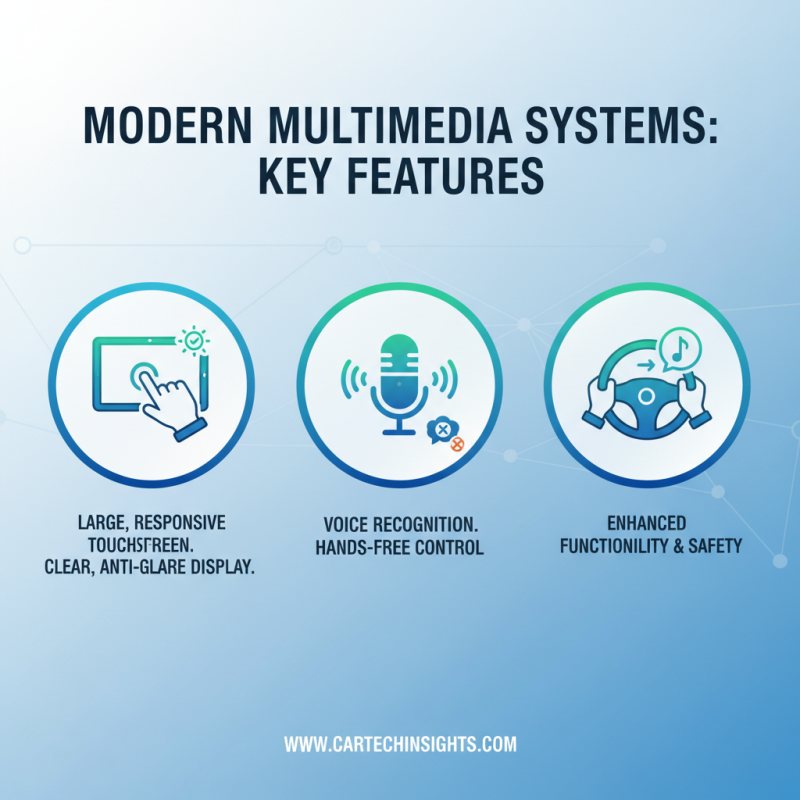
When choosing a multimedia system for your car, consider key features that enhance both functionality and driving experience. Touchscreens are now larger and more responsive. A crisp display makes navigating apps easier. Look for screens that are visible in direct sunlight. Voice recognition is essential too. It adds convenience, allowing drivers to keep their hands on the wheel. Yet, sometimes the voice commands can misinterpret requests, which can be frustrating.
Connectivity options are vital in today's multimedia systems. A good system must support both Apple CarPlay and Android Auto. This ensures that you can connect your smartphone regardless of the device. Additionally, built-in Wi-Fi can help with updates. However, not all models connect seamlessly, which requires research before purchase.
Remember to check the sound quality of the system. High-quality audio enhances the driving experience significantly. Some systems offer customization options for equalizers. This feature allows users to adjust their audio preference. Remember, the installation process can often be tricky and might need professional help. Investing time to select the right multimedia system pays off in the long run. Choose wisely, considering your personal preferences and potential tech updates.
Top Brands Leading the Car Multimedia Market
The car multimedia market is rapidly evolving. Leading brands are focusing on user experience and cutting-edge technology. They understand that connectivity is key. Drivers want systems that seamlessly integrate with their devices. This desire drives competition among top brands.
Many companies are investing heavily in research and development. Their aim is to improve audio quality and user interface design. They often introduce features like voice recognition and gesture control. However, some systems can be overly complex. Users may find it challenging to navigate through numerous options.
Reliability is another essential factor. Brands are working to enhance software stability. Glitches can frustrate drivers, especially during long trips. Some brands still struggle with consistent performance. This creates opportunities for reflection and improvement in their offerings. The competition remains fierce, but user feedback is guiding many refinements.
Innovative Technologies Shaping Future Car Multimedia Experiences
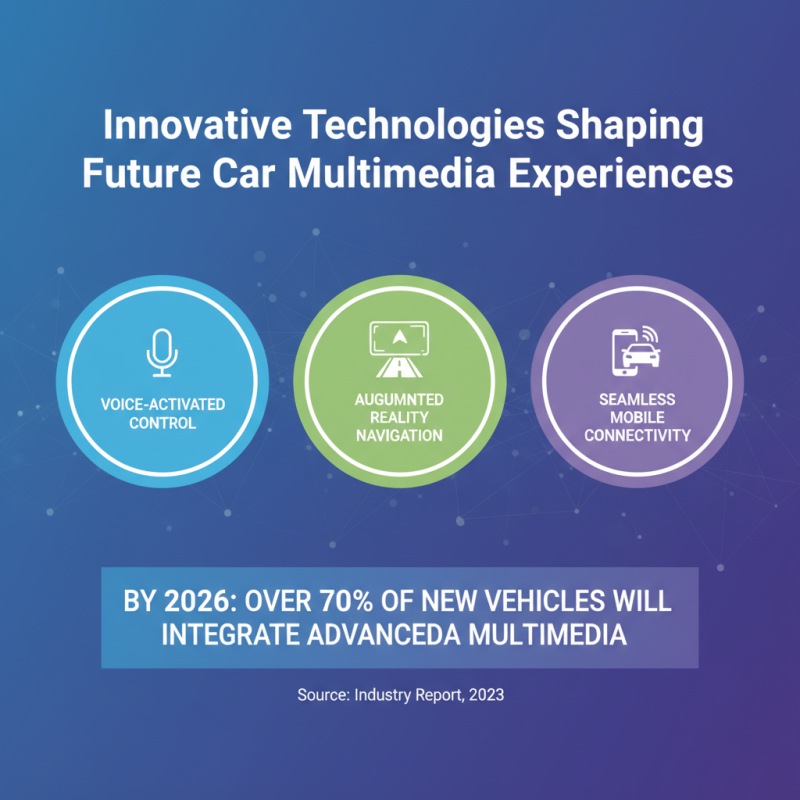
The landscape of car multimedia systems is rapidly evolving. By 2026, innovative technologies are expected to reshape user experiences significantly. A recent report estimates that over 70% of new vehicles will integrate advanced multimedia systems. These systems will include features like voice-activated control, augmented reality navigation, and seamless connectivity with mobile devices.
Drivers will increasingly rely on artificial intelligence to personalize their in-car experiences. For example, AI systems may learn driver preferences for music and navigation routes over time. According to industry analysts, nearly 60% of consumers consider smart technology in their buying decisions. The fusion of entertainment and utility will redefine what we expect from our vehicles.
Tips: When exploring options, prioritize systems that offer frequent updates. The tech in cars must evolve alongside your lifestyle. Stay aware of features that may initially seem appealing but might lack long-term support. Always consider the balance between cutting-edge functions and their practicality for daily use. Understanding these dynamics can enhance your car's multimedia experience.
User Experience and Interface Design in Car Multimedia Systems
User experience and interface design in car multimedia systems are critical for enhanced driving comfort. Research shows that 90% of users prioritize ease of use in a car's multimedia system. Touchscreens and voice controls are among the prevalent features. These can significantly improve interaction between drivers and their vehicles.
However, there are challenges. Many systems suffer from cluttered interfaces, leading to user frustration. A study by the Automotive User Experience Conference found that 75% of drivers found certain interfaces overwhelming. Minimalistic designs can be more effective. Simpler controls lead to quicker access to features.
**Tips:** Aim for systems with customizable interfaces. This allows for personal adjustments based on usage. Additionally, pay attention to voice recognition accuracy. A reliable system can reduce distraction.
Accessibility is also paramount in design. Figures indicate that around 20% of drivers need adaptive tools. Thus, car multimedia systems must cater to all users. Testing designs with diverse user groups can yield beneficial feedback.
Top 10 Car Multimedia Systems You Must Consider in 2026
| Rank |
Multimedia System |
Screen Size |
Connectivity Options |
User Interface Rating |
Voice Control |
| 1 |
System A |
12.3 inches |
Bluetooth, Wi-Fi, USB |
9.5/10 |
Yes |
| 2 |
System B |
10.1 inches |
Bluetooth, HDMI, USB |
9.0/10 |
No |
| 3 |
System C |
12.0 inches |
Wi-Fi, USB-C |
8.8/10 |
Yes |
| 4 |
System D |
9.0 inches |
Bluetooth, Aux, USB |
8.5/10 |
Yes |
| 5 |
System E |
10.5 inches |
Bluetooth, Wi-Fi, NFC |
9.2/10 |
No |
| 6 |
System F |
11.0 inches |
USB, HD Audio |
8.9/10 |
Yes |
| 7 |
System G |
12.5 inches |
Wi-Fi, Bluetooth |
9.6/10 |
Yes |
| 8 |
System H |
9.7 inches |
Bluetooth, USB, Aux |
8.7/10 |
No |
| 9 |
System I |
11.2 inches |
HDMI, Wi-Fi, USB |
9.1/10 |
Yes |
| 10 |
System J |
10.0 inches |
Bluetooth, USB-C |
8.4/10 |
Yes |

 +86-18126757325
 CONTACT NUMBER
 CONTACT NUMBER