Top Car Multimedia Systems to Enhance Your Driving Experience?
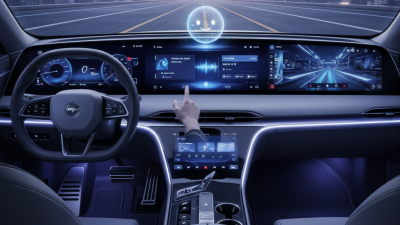
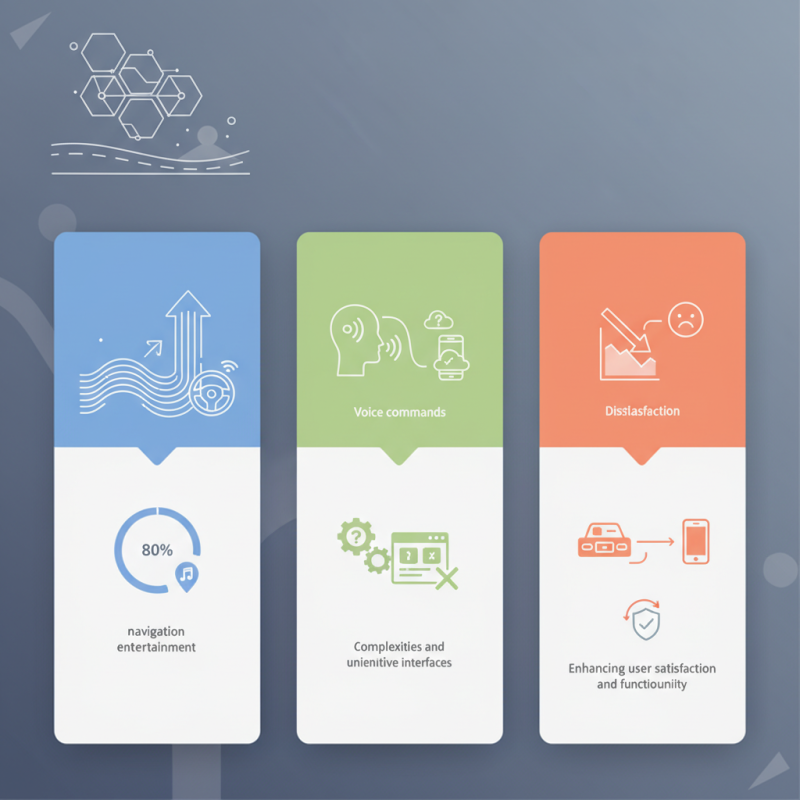
In today's fast-paced world, Car Multimedia systems play a vital role in revolutionizing the driving experience. Recent studies indicate that nearly 80% of drivers use in-car technology for navigation and entertainment. These systems not only enhance convenience but also improve safety by reducing distractions.
Expert in the field, Dr. Emily Carter, states, "The right Car Multimedia system can transform a mundane drive into an engaging journey." This highlights the importance of integrating advanced features such as voice commands and seamless connectivity. Yet, many drivers overlook the complexities and challenges related to these technologies. For instance, user interfaces can be unintuitive, causing frustration.
As technology rapidly evolves, it’s essential to stay informed. A significant percentage of drivers express dissatisfaction with their current systems. While they seek greater integration with smartphones, outdated models struggle to keep pace. Addressing these gaps is crucial to enhance user satisfaction and maximize functionality in the realm of Car Multimedia.
Overview of Car Multimedia Systems
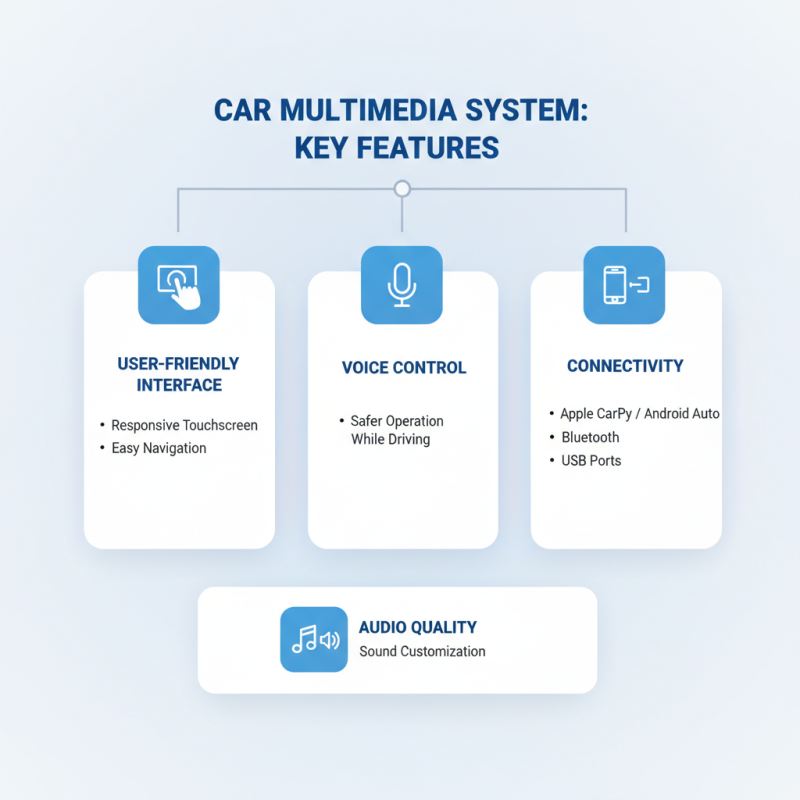
Modern car multimedia systems have transformed the way we experience driving. These systems integrate entertainment, navigation, and communication features into a single interface. With touchscreens and voice commands, they make accessing information easier. Drivers can play music, receive directions, or make calls without taking their eyes off the road. This focus on safety is essential. However, it's important to remember that multitasking can still be distracting.
A well-designed multimedia system offers seamless connectivity with smartphones. This allows for easy access to favorite apps. Some systems provide real-time traffic updates, enhancing route efficiency. Yet, navigating through multiple menus can confuse. Users might struggle to find what they need quickly. Frustration can arise if the system lags or fails to recognize commands. It's vital to consider user-friendliness when choosing a multimedia setup.
Customization is another appealing feature. Drivers can often personalize themes, sounds, and layouts. That said, too many customization options can lead to decision fatigue. It’s easy to get lost in settings. Ultimately, the ideal multimedia system enhances the driving experience while keeping focus on the road. Finding a balance between features and simplicity remains a challenge for many.
Top Brands Offering Advanced Multimedia Systems
When it comes to enhancing your driving experience, multimedia systems are essential. Many brands now offer advanced features that make trips more enjoyable. These systems provide high-quality sound, navigation, and connectivity options. Some allow seamless integration with your smartphone. However, the user interface can be overwhelming at times. It's important to find a system that is both intuitive and user-friendly.
Many brands focus on creating a rich multimedia experience. They offer touchscreens, voice recognition, and customizable settings. But not all systems are perfect. Some may lag or freeze unexpectedly. Users should read reviews before deciding. It helps to know what others think. Choosing the right system can greatly impact your daily driving experience.
Tips for selecting the right multimedia system include checking compatibility with your devices. Make sure it supports your phone's operating system. Explore features that matter most to you. If you enjoy music, look for high-quality audio output. Don’t forget to consider the ease of use. You want a system that doesn't distract you while driving.
Top Car Multimedia Systems to Enhance Your Driving Experience
| Feature |
System A |
System B |
System C |
| Screen Size |
10.1 inches |
9.0 inches |
12.3 inches |
| Compatible OS |
Android / iOS |
Android |
Android / iOS |
| Bluetooth |
Yes |
Yes |
Yes |
| Voice Control |
Yes |
No |
Yes |
| GPS Navigation |
Included |
Optional |
Included |
| Music Streaming |
Yes |
Yes |
Yes |
Integration with Smartphones and Other Devices
In today's automotive landscape, smartphone integration has become essential for enhancing the driving experience. Research shows that 65% of drivers prefer vehicles equipped with advanced multimedia systems that seamlessly connect with their devices. These systems offer navigation, music control, and hands-free calls, making journeys safer and more enjoyable.
Smartphone connectivity isn't flawless. Sometimes, apps crash, or connections drop unexpectedly. Drivers must remain focused on the road, not on troubleshooting tech issues. It's vital to familiarize yourself with your car's system before hitting the road.
**Tip:** Regularly update your smartphone and car software. This can improve connectivity and fix bugs.
Many drivers overlook their multimedia systems' customization options. Fine-tuning settings for sound profiles or display brightness can significantly elevate your experience. Some systems allow voice commands, reducing distractions while driving.
**Tip:** Experiment with different features during quieter driving times to find what works best for you.
As technology evolves, vehicles will become more interconnected. Staying informed about new developments can enhance how you interact with your car. Always consider safety first, ensuring that technology aids rather than distracts from driving.
Future Trends in Car Multimedia Technology
The future of car multimedia technology is rapidly evolving. According to a recent industry report, the global market for automotive infotainment systems will reach over $30 billion by 2025. This growth is fueled by increasing consumer demand for connectivity and convenience. More drivers want seamless integration of their devices with multimedia systems.
Innovations such as voice recognition, augmented reality displays, and artificial intelligence are changing the game. These technologies enhance user experience but also raise questions about safety and distraction. A study indicated that 70% of drivers feel overwhelmed by the number of features in modern systems. While the benefits are evident, the potential for distraction is a key concern.
Moreover, wireless connectivity is becoming standard. Many new systems rely on 5G networks to deliver high-speed internet access. This enables real-time navigation updates and richer media streaming. However, reliance on connectivity may lead to issues in areas with poor signal strength. As these technologies progress, ongoing user feedback will be vital for improvement. Balancing innovation with safety remains a challenge for the industry.
Top Car Multimedia Systems Performance Metrics

 +86-18126757325
 CONTACT NUMBER
 CONTACT NUMBER