What Are the Top Car Audio Systems in 2026?
The best Car Audio system in 2026 is not automatically the one with the biggest amplifier or the most speakers. It is the system that fits your vehicle, listening habits, and budget—and sounds balanced from the driver’s seat. Car-audio educator Richard Clark has long emphasized accurate sound reproduction. A practical way to express that principle is: “A system should make the music sound right, not merely play louder.” Treat this as a paraphrase of his approach, not a verified direct quotation.
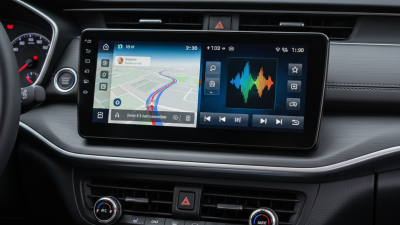
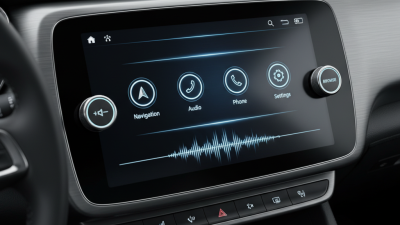
This guide compares leading options by sound quality, usability, installation needs, and value. A clear touchscreen can make daily controls easier. A well-matched amplifier and speakers can bring vocals forward without turning bass into a vibration in the door. Small details matter. We’ll also consider wireless phone integration, high-resolution playback, and digital sound tuning, while noting that features and compatibility vary by vehicle and model year. Manufacturer specifications and professional installation advice are worth checking before you buy.
There is no perfect shortlist for everyone. Cabin shape, road noise, factory wiring, and personal taste all change what works. A system that sounds impressive in a showroom may feel tiring on a long drive. And, honestly, published rankings can miss that. The sections ahead explain what to look for, how the leading systems differ, and where a less expensive upgrade may make more sense than replacing everything.
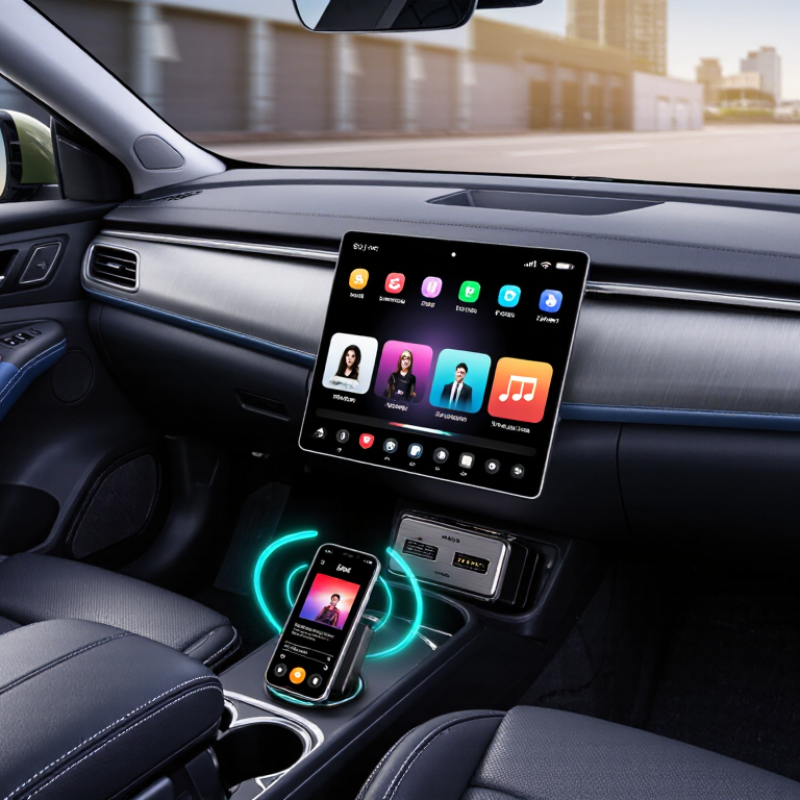
How Car Audio Systems Are Defined and Ranked in 2026
In 2026, a top car audio system is not defined by speaker count alone. It is judged as a complete listening environment. Evaluators examine tonal balance, imaging, clarity, bass control, and volume stability. A system should sound natural at low volume. It should remain composed when the road becomes loud. This matters. Cabin acoustics can change everything. Seats, glass, upholstery, and tire noise reshape the final result.
Ranking begins with repeatable listening tests, not showroom excitement. Reviewers use familiar recordings across speech, acoustic instruments, and dense electronic tracks. They note whether vocals stay centered and cymbals avoid harshness. Measurement tools add evidence, including frequency response, distortion, and timing consistency. However, numbers do not fully capture comfort. A technically flat system may still feel lifeless to some listeners. That is a weakness in many rankings, and it deserves more honesty.
Practical ownership also carries weight in 2026. Judges assess smartphone connectivity, steering controls, equalizer flexibility, startup behavior, and service access. Installation quality is critical; loose panels can create rattles that ruin an otherwise capable system. Long drives reveal problems quickly. I have found that simple controls often beat impressive menus while driving. Still, personal taste remains unavoidable. A warm, bass-rich setup may satisfy one driver and tire another. Reliable rankings should publish test conditions, explain scoring weights, and separate measured performance from individual preference.
The Core Components That Shape Sound Quality
What Are the Top Car Audio Systems in 2026?
The Core Components That Shape Sound Quality
A strong car audio system begins with accurate speakers, not excessive volume. I listen for clear vocals, controlled bass, and smooth treble at moderate levels. Speaker placement matters because glass, seats, and dashboard surfaces reflect sound unevenly. A well-built component speaker can separate instruments more naturally than a basic full-range unit. Small details matter. Door insulation also reduces vibration and keeps bass from sounding thin or blurred.
The amplifier must match the speakers’ power handling and sensitivity. Too little clean power can cause distortion, while excessive power may damage delicate drivers. A digital signal processor helps correct timing, equalization, and cabin resonance. In practice, careful tuning often improves sound more than expensive hardware. I once focused too heavily on specification sheets and ignored the listening position. That was a mistake. Measured response is useful, but personal evaluation still matters inside a moving vehicle.
The subwoofer and enclosure shape the lowest frequencies. A sealed enclosure usually delivers tighter bass, while a ported design can produce greater output with careful calculation. Wiring quality, grounding, and installation security also affect reliability. Loose panels can create rattles that mimic speaker failure. Temperature changes and road vibration deserve attention, especially in daily-use vehicles. The best 2026 systems should balance detail, durability, safe listening levels, and realistic installation limits rather than chase impressive numbers alone.
How to Compare Systems by Performance, Features, and Cost
Comparing car audio systems in 2026 means looking beyond speaker count and peak-watt claims. Listen for clean vocals at moderate volume, controlled bass, and detail that stays clear on rough roads. A specification sheet can mislead. Check amplifier output measured in RMS watts, speaker sensitivity, and whether the system includes equalization and time alignment. These features can improve balance, but poor tuning still sounds harsh.
The 2024 U.S. Initial Quality Study recorded 49.1 infotainment problems per 100 vehicles, making infotainment the most troublesome category in that study. That finding makes connectivity worth testing, not just admiring on a feature list. Pair your phone, try voice commands, and check whether wired and wireless connections work reliably. Small delays matter. A system that drops calls can frustrate more than modest bass ever will.
Cost should include installation, adapters, and any sound treatment—not just the head unit or speakers. S&P Global Mobility reported that the average U.S. light vehicle was 12.6 years old in 2024, so compatibility with an older dashboard may matter. Compare total installed quotes and ask what the warranty covers. For a fair test, play the same familiar track at similar volume in each vehicle. I would not choose by price alone; listening conditions vary, and that comparison is easy to get wrong.
Choosing a System for Your Vehicle and Listening Needs
Choosing a top car audio system in 2026 starts with your vehicle, not a glossy specification sheet. Cabin size, factory wiring, speaker locations, and road noise shape every result. A compact hatchback may need balanced front speakers and a small subwoofer. A large SUV may benefit from stronger rear fill and digital sound correction. According to J.D. Power’s 2024 U.S. Initial Quality Study, infotainment systems recorded 49.1 problems per 100 vehicles, showing why reliability matters as much as loudness.
Match the system to your listening habits. Podcast listeners need clear voices and stable Bluetooth connections. Bass-heavy music needs a subwoofer with controlled output, not simply more power. The 2024 Consumer Technology Association industry forecast projected U.S. consumer technology revenue above 500 billion dollars, reflecting strong demand for connected devices and smarter in-car experiences. Still, wireless features can introduce delays, pairing failures, or distracting menus. Test them in real traffic conditions.
Listen before buying.
Professional installation should include gain setting, speaker polarity checks, and protection for the vehicle’s electrical system. A 2024 report from Grand View Research estimated continued growth in the automotive audio market through 2030, but market growth does not guarantee a good match for your ears. I would also question dramatic “concert-hall” claims. They sound impressive, yet untreated door panels and tire noise can erase much of that promise. Sit in the driver’s seat, play familiar tracks, and compare detail at moderate volume. Your preferred system may be less powerful, but more natural and easier to live with.

 +86-18126757325
 CONTACT NUMBER
 CONTACT NUMBER