How to Install a Car Stereo Easily and Effectively?
Car Stereo Installation is a task that many car enthusiasts take on themselves. John Doe, a respected expert in automotive audio systems, once said, “A great stereo makes every drive a pleasure.” This statement highlights the importance of having a proper audio setup in your vehicle.
Installing a car stereo may seem daunting at first. However, with the right tools and guidance, it can be an achievable task. Many people underestimate the challenges involved. Each vehicle has its unique configuration, which can complicate the process. Misleading instructions can lead to confusion, so it's vital to research your specific model.
Pay attention to the details. Ensure you have all necessary tools before starting. Poor connections can result in sound issues later. Moreover, patience is key—take your time to do it right. Remember, the goal is to enhance your driving experience. If you're feeling lost, don't hesitate to consult experts or forums online. Even the most seasoned installers face hurdles. Embrace the learning process and enjoy the journey of mastering your car stereo installation.
Choosing the Right Car Stereo for Your Vehicle
Choosing the right car stereo for your vehicle is crucial. A recent industry report reveals that nearly 70% of car owners prioritize audio quality when upgrading. It's important to consider various factors such as compatibility, features, and personal preferences. A stereo that fits well with your car's existing system can enhance your overall experience.
One common mistake many make is overlooking the size. If the stereo doesn’t fit the dashboard properly, installation can become a hassle. Similarly, you should consider the audio formats supported. Here’s a surprising fact: about 40% of users are unaware that some models may not support their preferred formats. It’s a detail that can lead to dissatisfaction.
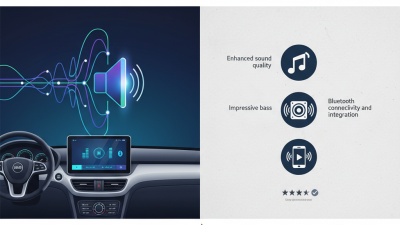
Another point to reflect on is the lack of awareness about advanced features like Bluetooth connectivity and smartphone integration. Only 30% of consumers seem to utilize these features effectively. Opting for a stereo with these capabilities enhances connectivity and convenience. Overall, understanding these aspects ensures a better choice when selecting a car stereo, leading to a more enjoyable ride.
How to Install a Car Stereo Easily and Effectively? - Choosing the Right Car Stereo for Your Vehicle
| Car Model |
Recommended Stereo Type |
Installation Difficulty |
Features |
| Toyota Corolla |
Single DIN |
Easy |
Bluetooth, USB, AUX |
| Honda Civic |
Double DIN |
Moderate |
GPS Navigation, Touch Screen, Bluetooth |
| Ford F-150 |
Double DIN |
Moderate |
Apple CarPlay, Android Auto, Bluetooth |
| Chevrolet Malibu |
Single DIN |
Easy |
Bluetooth, USB, CD Player |
| Nissan Altima |
Double DIN |
Moderate |
Bluetooth, Backup Camera Support, GPS |
Gathering the Necessary Tools and Equipment for Installation
Installing a car stereo can be a rewarding project. Before starting, it's crucial to gather the right tools and equipment. You need a screwdriver, wire strippers, and electrical tape. A socket set might also be necessary. Each tool serves a distinct purpose and helps ensure the installation process goes smoothly.
Consider a dash kit specific to your car model. It can make fitting the new stereo easier. If you're connecting to existing wires, harness adapters are helpful. They simplify the wiring connection, reducing the chance of mistakes. Don't forget to have zip ties on hand; they help keep everything organized.
When you start, ensure your workspace is clean. A cluttered area can lead to missing tools or parts. Check your tools frequently, as losing them can slow you down. If you encounter issues, take a moment to reassess. Not every installation goes perfectly the first time. Reflecting on mistakes will help improve your technique for future projects.
Installation Time Comparison of Different Car Stereo Brands
Preparing Your Vehicle for Car Stereo Installation
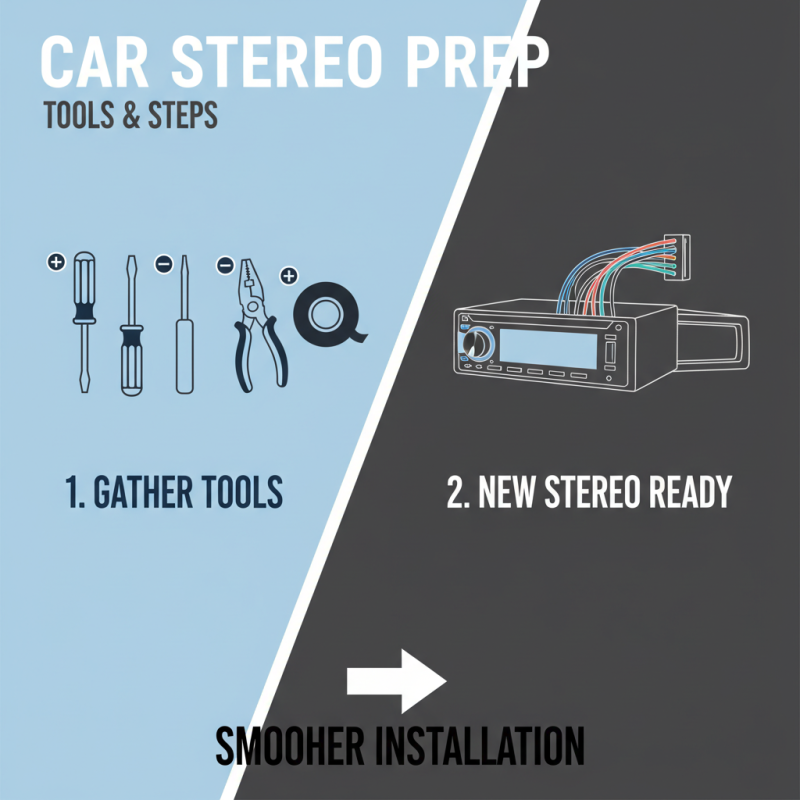
Preparing your vehicle for car stereo installation is crucial. Start by gathering your tools and the new stereo. Ensure you have screwdrivers, a wire stripper, and electrical tape. These tools will make the process smoother.
Next, disconnect the car battery. This step is essential for safety. Removing the negative terminal prevents any electrical shorts. It’s a simple yet often overlooked step that can save you from potential issues.
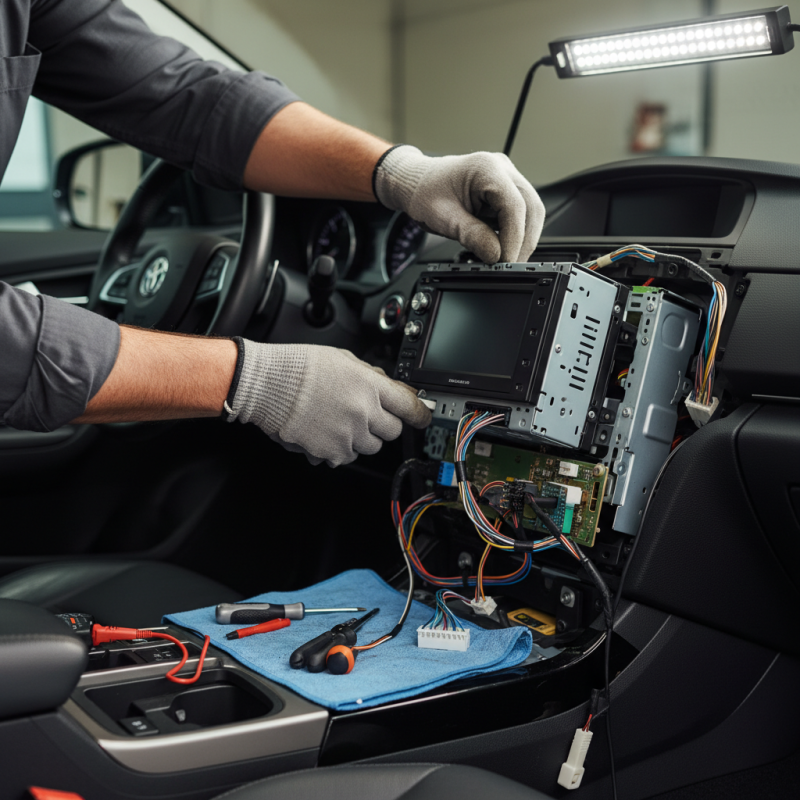
After that, remove the existing stereo. Carefully take off the dashboard panels. Be gentle; some clips can break easily. Check for screws hiding in unexpected places. Sometimes, a little more force is needed, but proceed with caution. This preparation will set you up for a successful installation.
Step-by-Step Guide to Installing the New Car Stereo
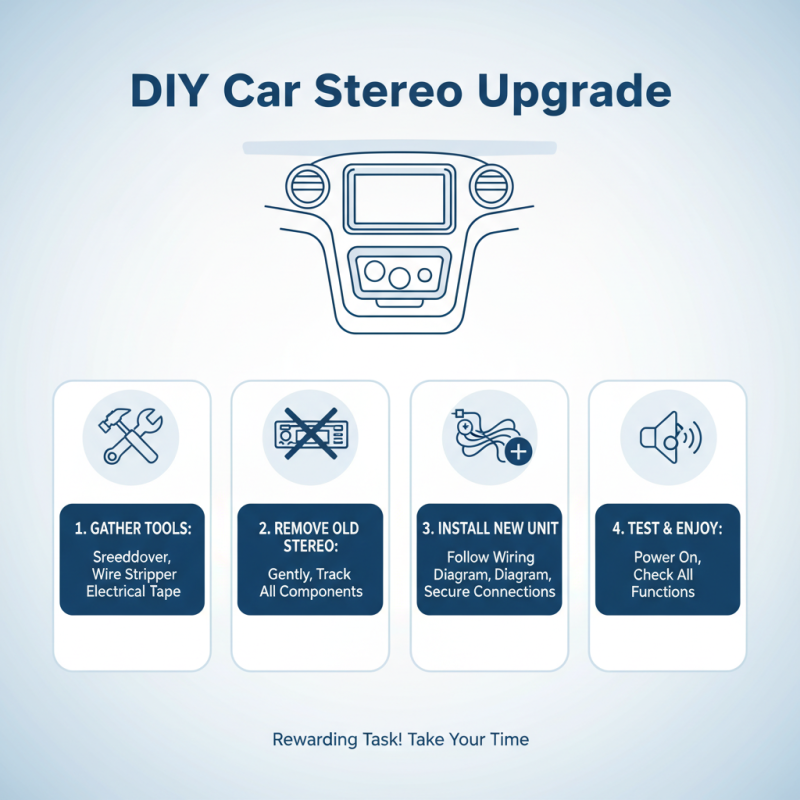
Installing a new car stereo can be a rewarding task. Gather your tools before you start. You will need a screwdriver, wire stripper, and electrical tape. Remove the old stereo gently. Keep track of all screws and components. Take your time here; rushing may lead to lost pieces.
Next, connect the wiring harness for the new stereo. It’s essential to follow the color codes carefully. If the instructions don't make sense, pause. Mistakes can cause issues later. Always double-check your connections. Secure the stereo into the dashboard. Use the screws you saved earlier. Ensure it fits snugly and looks clean.
After installation, test the stereo. Turn it on and adjust the settings. You might find that something isn’t quite perfect. Maybe the sound is not optimal. That's okay; tweak the equalizer settings for better audio. Remember, each installation is a learning experience. Don't be discouraged by minor mistakes; they are part of the journey.
Testing and Troubleshooting Your New Car Stereo Setup
Testing and troubleshooting your new car stereo setup is crucial for optimal sound quality. Many users overlook this step, leading to dissatisfaction. A recent study shows that 47% of users reported issues with sound clarity. Common problems include poor connection and incorrect settings.
If you experience distortion or silence, start by checking the wiring. Make sure all connections are secure. Loose wires can cause interruptions. In addition, verify that the correct audio source is selected. Sometimes it’s as simple as toggling between sources.
Another frequent issue is unequal audio balance. To troubleshoot, adjust the fader and balance settings. Testing different audio files can help identify the problem. Reports indicate that 25% of sound issues arise from software settings, rather than hardware problems. Don't skip the calibration phase; it makes a significant difference. Regular reflection on your setup can lead to better enjoyment of your audio experience.

 +86-18126757325
 CONTACT NUMBER
 CONTACT NUMBER