How to Choose the Best Radio Auto for Your Car?
Selecting the right Radio Auto for your car can significantly enhance your driving experience. According to the Global Automotive Radio Industry Report 2023, the market is expected to grow by over 10% annually. This growth highlights the importance of technological advancements in car audio systems. As noted by industry expert John Carter, “A well-chosen Radio Auto can completely transform how you connect with your vehicle.”
Today, many drivers seek features like Bluetooth connectivity, touch screens, and compatibility with smartphones. However, choices can be overwhelming. Some models boast advanced technology but may lack user-friendly interfaces. Others are affordable yet compromise on sound quality. This balancing act is crucial when selecting a Radio Auto.
Consider how often you drive and your audio preferences. If you enjoy music, prioritize sound quality. Yet, many products offer powerful audio without clear user guidance. Reflecting on these factors can lead to a more satisfying choice. Your Radio Auto should enhance your journeys, not complicate them.
Understanding Your Car's Compatibility with Radio Systems
When seeking the perfect radio system for your car, compatibility is crucial. Not all radios fit every vehicle seamlessly. According to reports from the Consumer Electronics Association, over 70% of vehicle owners face compatibility issues when upgrading their car audio systems. This can lead to frustrating installations, poor sound quality, and even expensive repairs.
It's essential to know your car's specifications before making a choice. Check the size of the dash opening. Many cars use double-DIN or single-DIN sizes. Having the right dimensions ensures a proper fit. Additionally, consider the wiring harness. Some vehicles may require an adapter for a smooth installation. Misalignment can complicate connections, leading to power issues.
Tips: Always measure your dash before purchasing. Refer to online compatibility guides. They can help streamline your search.
Look for systems with detailed specifications. Not every radio comes with Bluetooth or navigation features. Ensure the features align with your needs. Some function well in power, while others shine in ease of use. Balancing these can be tricky. Make informed decisions to avoid buyer's remorse. Checking user reviews can shed light on real-life performance.
Evaluating Features: AM/FM, Bluetooth, and Streaming Options
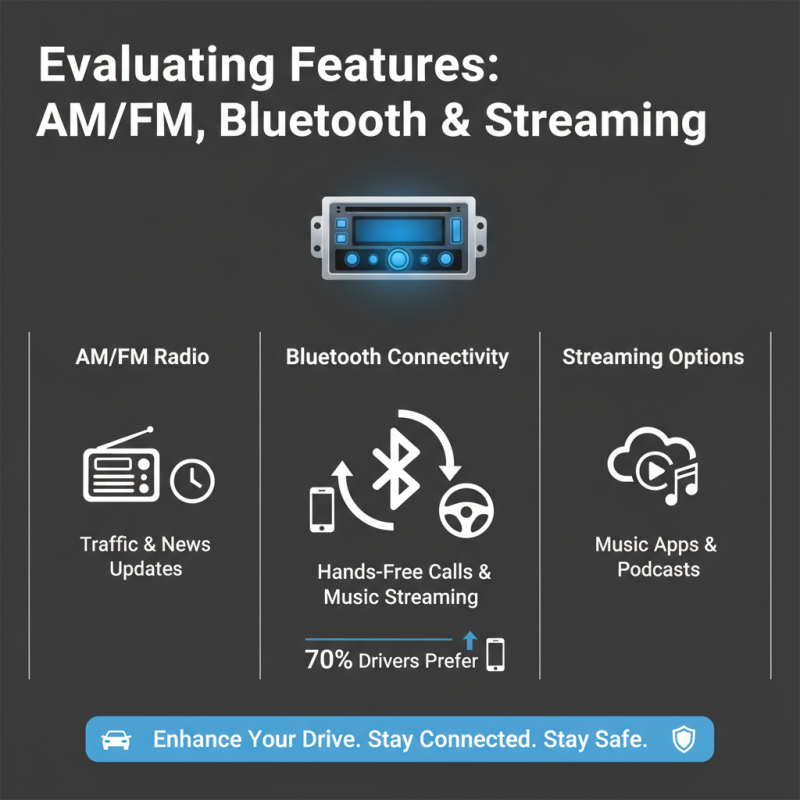
When choosing the best radio auto for your car, it's vital to evaluate features like AM/FM, Bluetooth, and streaming options. According to industry reports, nearly 70% of drivers prefer modern capabilities, especially Bluetooth connectivity. This allows for hands-free calls and music streaming, which enhances safety while driving. Bluetooth technology provides seamless integration with smartphones.
AM/FM radio remains popular for its simplicity. It offers local news and weather updates. However, users often find that traditional radio lacks variety compared to streaming services. Streaming options now dominate, with over 50% of car owners using apps like Spotify and Pandora during drives. The availability of unlimited music can significantly change your in-car experience.
Tip: Consider your listening habits. If you enjoy podcasts or curated playlists, look for a radio that supports multiple streaming services. Also, ensure that your chosen model has a user-friendly interface. A cluttered or confusing setup could lead to distraction. Focus on features that genuinely elevate your journey. Simple features can make a big difference.
Considerations for Sound Quality: Speakers and Amplifiers
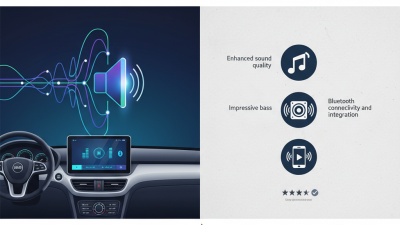
When choosing the best radio auto for your car, sound quality is key. Speakers and amplifiers play significant roles in how your music sounds. High-quality speakers can produce clear and rich sound. They need to fit your vehicle's interior well.
Consider the size of your speakers. Larger speakers often deliver deeper bass. However, they may not fit in all cars. You might have to compromise on size for compatibility. Pay attention to the material as well. Good materials enhance sound clarity.
Tips: Test speakers before buying. Listen to your favorite songs. This will help you gauge sound quality. Also, think about your amplifier. A powerful amplifier can improve sound without distortion. Remember, too much power can damage speakers. Balance is crucial.
Lastly, installation matters. Sound can change after installation. If possible, get professional help. They can ensure everything is connected properly. Mistakes in wiring may lead to poor sound.
Sound Quality Considerations for Car Audio Systems
Budgeting for Your Radio Auto Installation and Accessories
When budgeting for your radio auto installation, consider all potential expenses. The cost of the unit itself is just one part. Installation fees can vary widely, so get quotes from several installers. It’s important to choose someone with experience. This could mean spending a little more for peace of mind.
Don’t forget about accessories. Cables, connectors, and mounts might be necessary. These items often get overlooked but can add up quickly. Set aside a small percentage of your budget for these extras. If you’re unsure about what you need, ask the installer or a knowledgeable friend. Unexpected costs can derail your plans, so it’s wise to be prepared.
Reflect on your choices. Sometimes a cheaper radio seems ideal, but may lack essential features. Think about how you use your car. Will a basic setup meet your needs? Or will investing in a better system pay off in the long run? Each detail matters, so weigh your options carefully.
How to Choose the Best Radio Auto for Your Car?
| Feature |
Importance |
Estimated Cost |
Notes |
| Bluetooth Connectivity |
High |
$50 - $150 |
Essential for hands-free calling and streaming. |
| Apple CarPlay / Android Auto |
Medium |
$100 - $200 |
Allows integration with smartphone apps. |
| Touchscreen Display |
Medium |
$50 - $300 |
Enhances user experience with easier navigation. |
| Built-in GPS Navigation |
Medium to High |
$100 - $300 |
Useful for real-time directions without mobile reliance. |
| Enhanced Sound Quality |
High |
$50 - $200 |
Invest in quality speakers and amplifiers. |
| USB and AUX Input |
Medium |
$20 - $50 |
Allows for versatile audio playback options. |
Installation Process: Professional vs. DIY Options
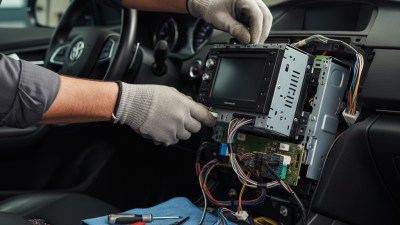
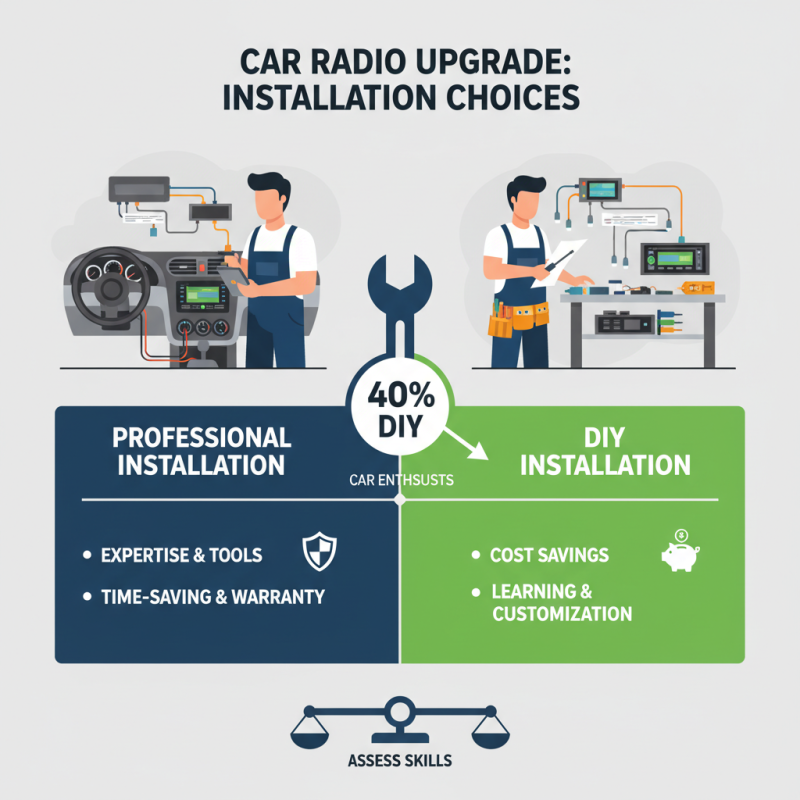
When it comes to upgrading your car's radio, the installation method is crucial. Many car owners face a choice: hire professionals or go the DIY route. According to a recent industry report, around 40% of car enthusiasts prefer DIY installations. This reflects a growing confidence in home improvement skills. However, it’s essential to assess your own abilities before deciding.
A professional installation usually guarantees optimal performance. Experts understand the intricacies of wiring and compatibility. On average, a professional install may take 1-2 hours. Yet, it can cost between $100 to $200. For someone with little experience, trying to save money by going DIY can lead to mistakes. One misstep could damage your new radio or even the car's electrical system.
However, the DIY approach has its perks. It can be rewarding and cost-effective. Online communities offer guidance, making the task less daunting. Some might find this hands-on experience satisfying. Still, consider the risks of potential errors. A poorly wired system may lead to sound issues or safety hazards. Balancing cost and quality is key in this decision-making process.

 +86-18126757325
 CONTACT NUMBER
 CONTACT NUMBER