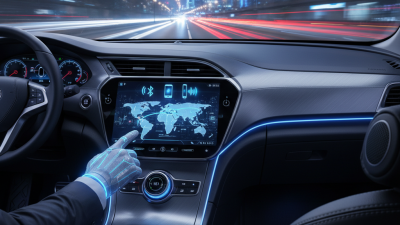
How to Choose the Best Car Audio System for Your Vehicle?
Choosing the right Car Audio System can significantly enhance your driving experience. According to a recent report from the Consumer Technology Association, over 50% of car owners prioritize audio quality when selecting features for their vehicles. This highlights the growing demand for advanced sound systems that deliver rich, immersive audio.
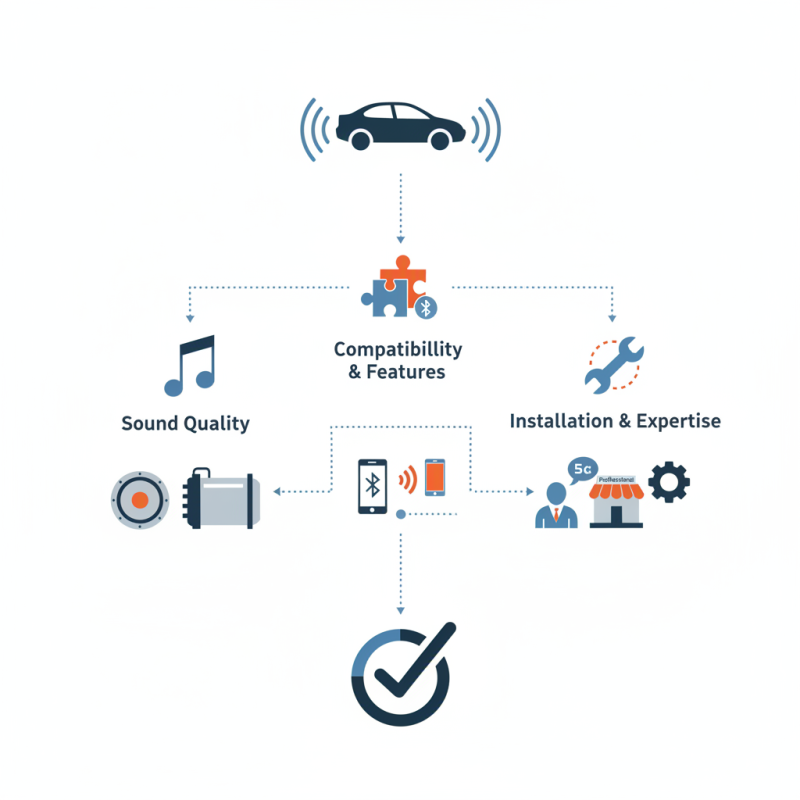
When selecting a Car Audio System, consider factors like sound quality, compatibility, and ease of use. Some systems offer Bluetooth connectivity and smartphone integration, which are crucial for modern users. However, many buyers overlook the importance of speaker quality or amplifier specifications, which can lead to unsatisfactory experiences.
It is essential to seek expert advice when making your choice. Reliable sources suggest visiting a professional audio retailer. Careful research can prevent costly mistakes and enhance satisfaction with your purchase. Ultimately, a thoughtful approach will ensure you find a Car Audio System that meets your specific needs and preferences.
Understanding Your Vehicle's Audio System Requirements
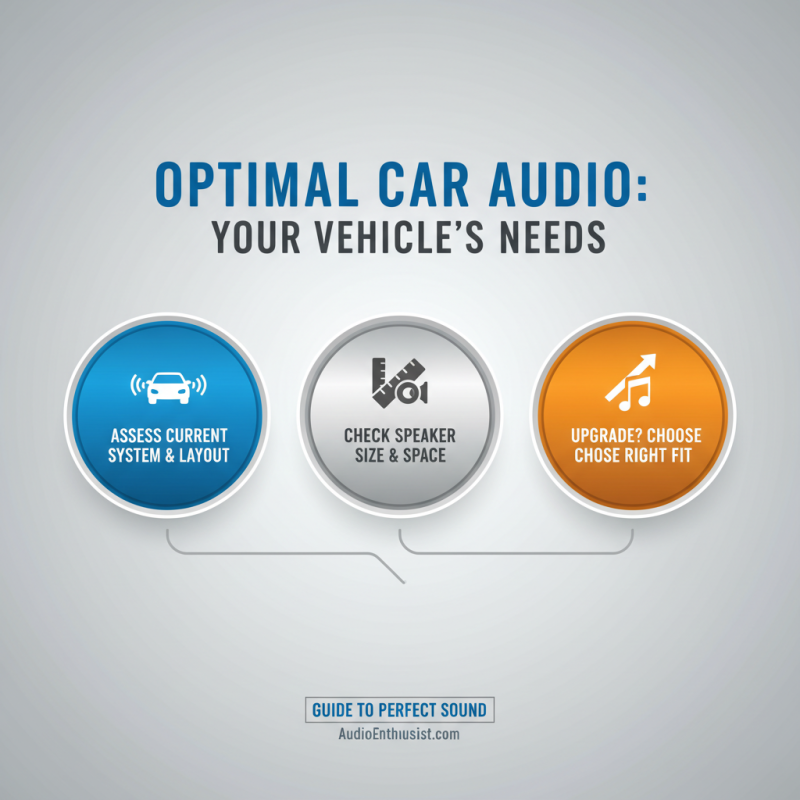
When selecting a car audio system, understanding your vehicle’s audio requirements is crucial. Different vehicles have varied space, layout, and existing systems. You need to assess whether your current system works well or if it needs an upgrade. Consider the size of your car’s speakers and the installation space available. This will guide you in choosing the right fit.
Tips: Pay attention to speaker size. Larger speakers often provide better bass. Consider how much power your new system will need. An underpowered system may not perform well, leading to disappointing sound quality. Check vehicle manuals for specs before shopping.
Your listening preferences matter too. If you love bass-heavy music, look for systems designed for that. High clarity is essential for vocal-centered genres. Don’t let flashy features distract you from sound quality. Reflect on what truly enhances your driving experience. A well-chosen system can transform your daily commute into an enjoyable journey.
Evaluating Different Types of Car Audio Systems
When choosing a car audio system, it’s essential to understand the different types available. There are primarily three categories: factory-installed systems, aftermarket stereo systems, and premium sound systems. Factory systems often come with basic features. They may lack advanced options like Bluetooth connectivity. Many users find them insufficient for their audio needs.
Aftermarket stereo systems offer a wide variety of features. They can include enhanced sound quality, more connectivity options, and customization capabilities. However, installation can be challenging. It may require professional help. Some people find that the quality of these systems varies significantly among brands. This can make selecting the right one frustrating.
Premium sound systems are designed for audiophiles. They deliver high-quality sound and often come with advanced technology. However, they can be expensive and may not suit everyone’s budget. It's important to weigh the cost against the potential benefits. Some users might be tempted by flashy features, overlooking essential aspects like sound clarity and installation ease. Always ask yourself if the extra cost truly provides added value for your listening experience.
How to Choose the Best Car Audio System for Your Vehicle?
| Audio System Type |
Key Features |
Pros |
Cons |
Price Range |
| Factory Audio System |
Basic functionality, integrated with vehicle controls |
Built-in compatibility; no extra cost |
Limited sound quality; few upgrade options |
$0 - $500 |
| Aftermarket Head Units |
Touchscreen display, Bluetooth, USB ports |
Enhanced features; better sound quality |
Installation may be complex; additional cost |
$100 - $1000 |
| Component Speakers |
Separate woofers, tweeters, and often crossovers |
Superior sound quality; customizable |
Requires more space; potentially higher cost |
$150 - $800 |
| Coaxial Speakers |
All-in-one speaker design |
Easy installation; compact |
Inferior sound compared to components |
$50 - $300 |
| Subwoofers |
Designed to reproduce low frequencies |
Deep bass; enhances overall sound |
Takes up space; requires amplification |
$100 - $1000 |
Identifying Key Features and Specifications to Look For
When choosing a car audio system, key features greatly influence the listening experience. One should consider the power output, typically measured in watts. A system with at least 50 watts per channel ensures clearer sound at higher volumes. According to industry reports, around 80% of drivers prefer systems that deliver crisp highs and deep bass. This highlights the significance of speaker quality. Look for speakers made from durable materials to enhance longevity and sound clarity.
Connectivity options are crucial. Bluetooth compatibility allows seamless pairing with smartphones. Moreover, USB ports facilitate music playback from various devices. Research indicates that 65% of car owners prioritize systems that support multiple input options. Users often overlook equalizer settings. An adjustable equalizer helps tailor sound profiles according to personal taste and acoustics of the vehicle.
Lastly, assess the user interface. A complicated layout can lead to distraction while driving. Intuitive controls not only enhance safety but also improve the overall experience. Many drivers express frustration over poor navigation in audio systems. Thus, ensuring ease of use is vital. Remember, a well-selected audio system transforms any drive into an enjoyable experience.
Comparing Brands and Models for Quality and Value
When selecting a car audio system, compare various brands and models carefully. Each brand offers unique features that cater to different needs. Look for systems that emphasize sound quality, durability, and ease of installation. High-quality speakers and amplifiers can transform listening experiences. Meanwhile, some models may boast flashy designs but fail in sound performance. Prioritize systems that balance aesthetics and functionality.
Researching user reviews and expert opinions is crucial. Reading about others’ experiences can reveal potential issues. Some models may have installation challenges that aren't clear from product descriptions. Reliability is key; systems with excellent sound quality may require more maintenance. Take the time to investigate how each model performs in real-world conditions. You might find that a less popular brand outperforms well-known names.
Budget considerations often complicate choices. High cost does not always equal high value. Identify what features matter the most to you. Is it sound clarity or wireless connectivity? Sometimes, lesser-known brands offer competitive prices without sacrificing quality. This requires a keen eye for detail and a willingness to dig deeper into specifications. Balancing performance with price is an art that can maximize your investment.
Car Audio System Comparison Chart
This bar chart compares the average ratings of key features in car audio systems such as Sound Quality, Bass Response, Ease of Installation, Connectivity, and Price. Each feature is rated on a scale from 1 to 10 to help you evaluate the quality and value of different audio systems.
Installation Options: Professional vs. DIY Solutions
When it comes to installing a car audio system, you have two main options:
professional installation or a
DIY solution. Each method has its pros and cons.
Professional installation often guarantees quality.
Experts handle everything from wiring to mounting. They can troubleshoot issues that arise, ensuring optimal performance.
However, this option can be costly. If you're working with a limited budget, hiring professionals might not be feasible.
On the other hand, DIY installation offers a fun and hands-on experience.
Many online resources guide you through the installation process step by step. You can save money and customize aspects to your liking.
Yet, it does come with risks. Without experience, mistakes can happen. This could lead to improper wiring, which may damage your new audio equipment or even your vehicle.
Consider your skills and confidence level. If you're comfortable with tools and have basic electrical knowledge,
DIY could be rewarding. If you're unsure about your abilities,
it may be safer to invest in professional help.
Ultimately, weigh the costs against the potential benefits for your unique situation.

 +86-18126757325
 CONTACT NUMBER
 CONTACT NUMBER