2026 How to Choose the Best Double Din Head Unit for Your Car?
Choosing the right Double Din Head Unit is crucial for any car owner. The market has seen significant growth, with a projected increase of 8.6% annually from 2021 to 2028. This reflects the rising demand for advanced car audio systems. Many consumers seek features that enhance their driving experience and improve connectivity.
When selecting a Double Din Head Unit, various factors come into play. Screen size, audio quality, and user interface are crucial elements. However, buyers often focus too heavily on tech specs and overlook ease of use. A complex system might not be user-friendly for everyone.
It's essential to balance technology with practicality. A high-tech unit could have numerous features but be challenging to navigate. According to industry reports, 45% of users prefer units that are simple and intuitive. The right choice can transform your driving experience significantly, making it enjoyable and safe.
Understanding Double Din Head Units: Key Features and Benefits
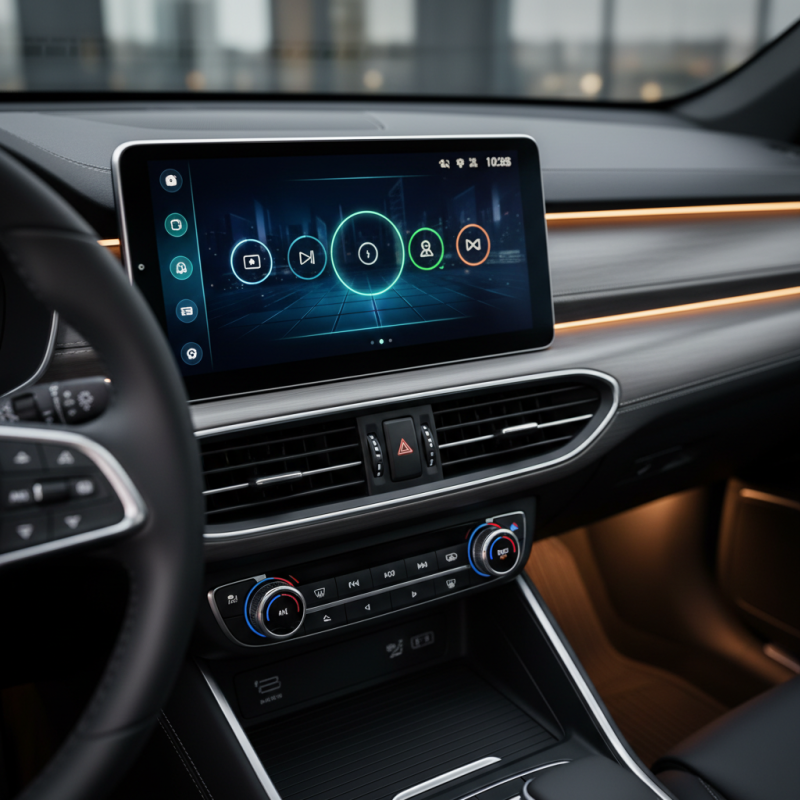
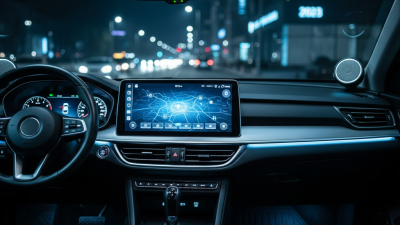
When choosing a double DIN head unit, understanding its key features is essential. These units offer a larger screen, typically 7 inches, providing improved visuals for maps and media. According to recent industry reports, nearly 70% of consumers prioritize screen size and ease of use when selecting a head unit. This consideration enhances the overall driving experience and promotes safer navigation.
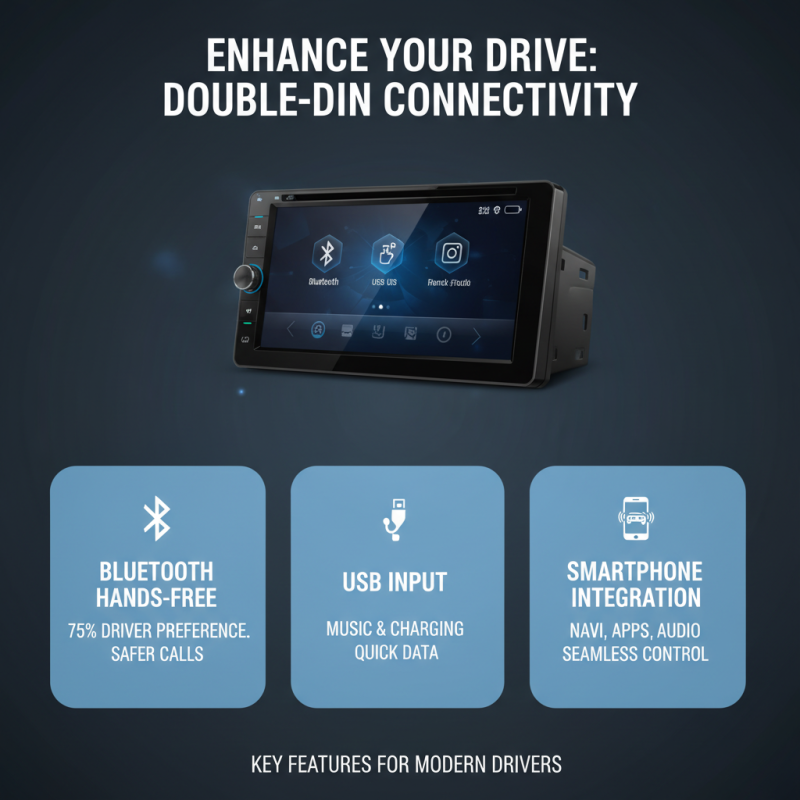
One of the significant benefits of double DIN units is their connectivity options. Most modern head units support Bluetooth, USB, and smartphone integration. While newer technologies emerge, not all units maintain consistent quality. Some may lack responsive touch screens or have intricate interfaces that complicate simple tasks. Be cautious here. Researching customer reviews can highlight potential shortcomings of specific models.
When making your choice, make a list of essential features. Do you need navigation? Will you use Apple CarPlay or Android Auto? These factors play a significant role in compatibility. Keep in mind a unit's installation complexity as well. Some vehicles may require additional modifications, adding to the cost. Aim for balance: features that enhance usability and technology that meets your lifestyle.
Assessing Compatibility with Your Vehicle's Dashboard and Wiring
When choosing a double din head unit, assessing compatibility with your vehicle's dashboard is essential. Each car model has specific measurements for the dashboard space. A head unit that doesn't fit could lead to installation headaches. According to the Institute of Automotive Engineers, nearly 30% of aftermarket installations face issues due to size mismatches. Pay close attention to the depth and width of your current setup.
Wiring compatibility is as critical as the physical fit. Different vehicles have various wiring harnesses. Out-of-the-box connectors may not work for all models. A report by the Automotive Electronics Association indicates that improper wiring can lead to malfunctions in up to 20% of installations. Visual inspection of your vehicle’s wiring is beneficial. It helps determine if you need an adapter or if any modifications are necessary.
Evaluate your vehicle thoroughly before purchasing. Check dimension specifications and wiring requirements. A poorly matched unit could lead to functionality issues, compromising your driving experience. It's not uncommon for installations to fail due to overlooked details. Ensure all elements align perfectly for a smooth, enjoyable upgrade.
Evaluating Audio Quality: Sound Systems and Amplification Options
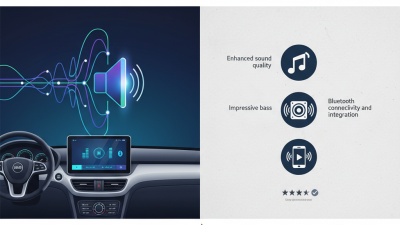
When selecting a double din head unit, audio quality is paramount. Sound systems can vary widely, affecting your overall experience. You might want rich bass, clear vocals, or immersive soundscapes. According to a recent industry report, 70% of users prioritize sound quality over other features. Amplification options are also crucial. Built-in amplifiers often do not provide enough power. An external amplifier can elevate your sound system significantly.
Tips: Consider the RMS power rating when choosing an amplifier. Higher RMS ensures better sound quality at higher volumes. Look for units with equalization settings. They let you fine-tune your audio to your liking. Check for compatibility with your car’s current setup. Mismatched components can diminish audio clarity.
Installing a double din often seems straightforward. However, mistakes happen. Wiring issues or incorrect mounting can lead to poor sound. Take the time to research installation guidelines. Many users overlook the importance of speaker quality. A high-end head unit paired with mediocre speakers isn’t effective. Aim for a well-balanced system by ensuring all components meet your audio expectations.
Exploring Connectivity Options: Bluetooth, USB, and Smartphone Integration
Selecting the right double din head unit is crucial for enhancing your driving experience. When focusing on connectivity options, Bluetooth, USB, and smartphone integration are key features. According to industry reports, about 75% of drivers prefer Bluetooth for hands-free calls. This feature improves safety and convenience, allowing for seamless communication while on the road.
USB ports provide a versatile way to connect your devices and charge them simultaneously. Many models now support high-speed data transfer, which is essential for playing music or accessing navigation apps. A report from the car electronics market highlights that nearly 65% of users value USB connectivity for its straightforward use and fast charging capabilities.
Smartphone integration is another vital factor. Many head units now offer compatibility with popular operating systems. This feature allows users to access their favorite apps directly on the display. Yet, integration can sometimes be frustrating. Connectivity issues occur frequently, causing interruptions. It's important to choose a unit that minimizes these problems. Evaluating user reviews can provide insight into how well each model performs in real-world scenarios.
Reviewing User Interfaces: Touchscreens, Controls, and Customization Features
When choosing a double din head unit, user interfaces play a vital role. Touchscreens can vary significantly in responsiveness and clarity. A quick tap should yield immediate results. If there's lag, frustration follows. Smooth navigation is crucial for a positive experience.
Control features also matter. Some units offer physical buttons, while others rely on touch alone. Physical buttons can be easier to use while driving. Touchscreens can distract. Think about how each option fits your lifestyle. Customization features enhance the experience. From equalizers to wallpaper choices, personalization allows you to make the unit your own.
Tips: Explore units with intuitive layouts. If a menu is complex, it can take time to master. Consider trying the interface before purchasing. Reflect on your needs. Do you prioritize music, navigation, or both? Your choice should align with how you use your car’s audio system.

 +86-18126757325
 CONTACT NUMBER
 CONTACT NUMBER