How to Choose the Best Car Multimedia System for Your Vehicle
Choosing the right car multimedia system for your vehicle can transform your driving experience, offering not only entertainment but also connectivity and navigation features that enhance your journey. As technology continues to evolve, the options available can be overwhelming, making it vital to select a system that meets your specific needs and preferences. Renowned car multimedia expert Dr. James Carter notes, “A well-chosen multimedia system not only entertains but also keeps you connected and safe on the road.”
In the ever-growing market of car multimedia solutions, consumers must consider various factors including compatibility, user interface, sound quality, and additional features such as smartphone integration and voice control. This guide aims to elucidate essential elements to factor in when selecting a car multimedia system, ensuring that your investment adds real value to your vehicle. With an informed choice, you can enjoy a seamless blend of technology that brings your driving experience to life, making each journey both enjoyable and efficient.
Understanding Vehicle Compatibility with Multimedia Systems
When choosing a car multimedia system, understanding vehicle compatibility is essential to ensure optimal performance and user experience. Each vehicle comes with unique specifications regarding audio systems, screen size, and connectivity options. Before making a purchase, check your vehicle's manual for any specific requirements or limitations that could impact the installation of a new multimedia system. This will help you avoid compatibility issues and ensure harmonious integration with existing features in your vehicle, such as steering wheel controls or dashboard aesthetics.
**Tips:** Always verify the dimensions and mounting options of the multimedia system to ensure it fits seamlessly within your dashboard. Additionally, consider systems that support the latest technology standards, such as Bluetooth or Apple CarPlay, which may require specific compatibility with your vehicle's infotainment setup.
Moreover, installation can vary greatly depending on the make and model of your vehicle. Certain systems may require additional adapters or modifications for proper installation. Researching detailed guides or consulting with professionals can offer insight on what adjustments might be necessary.
**Tips:** Utilize forums or community groups for your vehicle type to gain firsthand experiences and recommendations from other users who have upgraded their multimedia systems. Networking with fellow enthusiasts can provide valuable tips for successful installation and troubleshooting any compatibility concerns.
How to Choose the Best Car Multimedia System for Your Vehicle
This chart illustrates the user preference ratings for different features when choosing a car multimedia system. The ratings are based on a scale from 1 to 10, reflecting which features are most important to drivers.
Key Features to Look for in a Car Multimedia System
When choosing a car multimedia system, several key features should be at the forefront of your decision-making process. First and foremost, assess the display quality and size. A high-resolution screen makes for clearer visuals, which is particularly important for navigation and video playback.
Additionally, consider touchscreen functionality; a responsive interface enhances ease of use, allowing you to access functions quickly and safely while driving.
Another critical feature is connectivity. Look for a multimedia system that supports Bluetooth, USB, and auxiliary inputs, enabling seamless pairing with smartphones and other devices. This connectivity ensures you can easily stream music, make hands-free calls, and access various apps.
Furthermore, examine the audio quality and amplification capabilities, as a rich sound experience can significantly enhance your driving enjoyment. Lastly, consider compatibility with various formats and technologies like Apple CarPlay or Android Auto, which can further enrich your multimedia experience.
Evaluating Audio and Video Quality Specifications
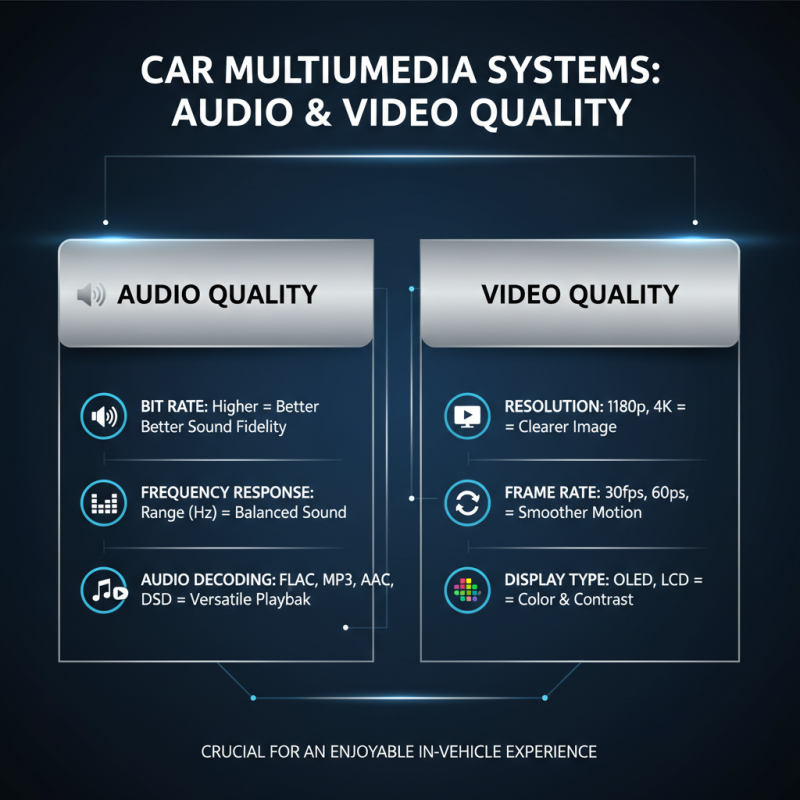
When selecting the best car multimedia system, evaluating audio and video quality specifications is crucial for an enjoyable in-vehicle experience. Audio quality largely depends on several key specifications, including bit rate, frequency response, and the type of audio decoding supported. A higher bit rate often translates to better sound fidelity, allowing you to enjoy your favorite tracks as they were meant to be heard. The frequency response range indicates how well the system reproduces low and high frequencies, which is essential for a balanced sound profile. Additionally, systems that support various audio formats and codecs will provide versatility in playback options, ensuring that you can listen to any music file without compromising quality.
Video quality is equally important, particularly for systems that include video displays for navigation or entertainment. When evaluating video specifications, consider resolution, refresh rate, and screen size. A higher resolution, such as Full HD or 4K, will deliver sharper and clearer visuals, enhancing the viewing experience. The refresh rate directly impacts how smooth videos appear, especially during fast-moving scenes, so opting for a system with a higher refresh rate can make a significant difference. Furthermore, the screen size should be appropriate for your vehicle's dashboard, ensuring that it is easily visible without distracting you from the road. By carefully assessing these audio and video quality specifications, you can choose a multimedia system that enhances your driving experience.
Analyzing User Interfaces and Connectivity Options
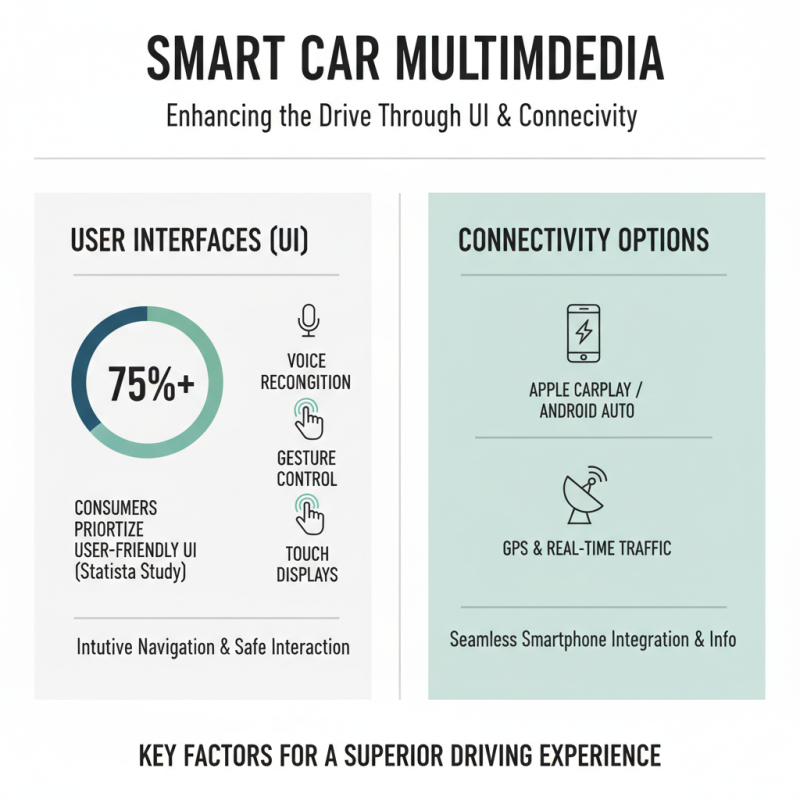
When selecting a car multimedia system, user interfaces and connectivity options play key roles in enhancing the overall driving experience. According to a study by Statista, over 75% of consumers prioritize user-friendly interfaces when choosing a multimedia system. A well-designed interface should provide intuitive navigation, allowing drivers to access features and apps without distraction. Features such as voice recognition, gesture control, and touch-sensitive displays can significantly enhance usability, making it safer and easier to interact with technology while on the road.
Connectivity options are equally crucial, as they determine how well the multimedia system integrates with various devices. A report from the Consumer Technology Association indicates that nearly 80% of consumers look for systems that support both Bluetooth and smartphone integration through platforms like Apple CarPlay and Android Auto. This seamless connectivity allows for easy access to navigation, music, and communication apps, providing a more connected experience on the go. As vehicles increasingly become mobile hubs for entertainment and communication, selecting a multimedia system with robust connectivity options becomes essential for modern drivers.
Considering Budget and Long-term Maintenance Costs
When selecting a car multimedia system, considering budget and long-term maintenance costs is crucial for ensuring you make a sound investment. Reports indicate that the average consumer spends between $500 to $1,500 on car audio systems. However, it’s not just about the initial outlay; one must also account for potential costs over the lifespan of the device, including updates, repairs, and compatibility with future technology. According to a study by the Consumer Electronics Association, roughly 30% of car multimedia systems need significant repairs within five years, which can lead to additional unexpected expenses.
**Tips:** To minimize future costs, choose a system with a robust warranty and reliable customer support. Researching common issues related to specific models and opting for brands with a solid track record in durability can also save money in the long run. Furthermore, prioritize systems that receive regular software updates, as this can enhance functionality and lifespan, aligning with the ever-evolving tech landscape.
Another aspect to consider is the integration capabilities of the multimedia system. Selecting a system that readily integrates with smartphones and other devices can improve usability and reduce costs associated with upgrading technology. A survey by Market Research Future found that systems with high integration features often have lower maintenance costs, as they tend to be more adaptable to software updates. Planning ahead and understanding these factors can help ensure that your choice proves reliable and cost-effective for years to come.
How to Choose the Best Car Multimedia System for Your Vehicle - Considering Budget and Long-term Maintenance Costs
| Multimedia System Feature |
Budget Option |
Mid-Range Option |
High-End Option |
Long-term Maintenance Cost (1 Year) |
| Audio Quality |
Basic speakers, moderate sound |
Balanced sound system, decent speakers |
Premium audio with advanced features |
$50 |
| User Interface |
Basic buttons, no touchscreen |
Touchscreen with basic functionality |
Responsive touchscreen with voice control |
$100 |
| Connectivity Options |
FM/AM, single USB |
Bluetooth, multiple USB ports |
Wi-Fi, smartphone integration |
$30 |
| Navigation Capability |
None |
Basic navigation |
Advanced GPS with real-time updates |
$20 |
| Installation Fees |
$50 |
$75 |
$100 |
N/A |

 +86-18126757325
 CONTACT NUMBER
 CONTACT NUMBER