Why Choose Android Car Stereo for Your Vehicle Upgrade?
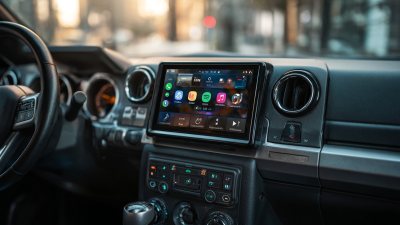
When considering an upgrade for your vehicle, the benefits of an Android Car Stereo are hard to ignore. Renowned automotive technology expert, Dr. Emily Chen, stated, "An Android Car Stereo transforms your driving experience by integrating advanced features and user-friendly interfaces." This type of stereo not only enhances entertainment options, but also improves navigation and connectivity.
One of the standout aspects of an Android Car Stereo is its versatility. Drivers can access their favorite apps, music, and navigation systems seamlessly. This convenience can make daily commutes more enjoyable. However, it's important to choose a model that fits your vehicle and meets your specific needs—something not all users adequately consider.
Additionally, installing an Android Car Stereo can be a daunting task for many. Some may struggle with compatibility issues or the installation process itself. It’s crucial to do thorough research and consult experts before making a purchase. Enriching your vehicle with an Android Car Stereo has potential drawbacks but offers substantial benefits for those willing to explore them.
Benefits of Upgrading to an Android Car Stereo
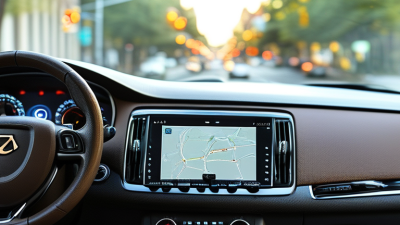
Upgrading to an Android car stereo can significantly enhance your driving experience. With a user-friendly interface, these devices provide seamless access to navigation, music, and communication. Imagine effortlessly finding your route while enjoying your favorite playlist. This integration offers a more enjoyable and safer driving experience.
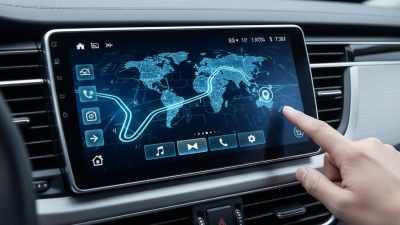
Moreover, Android car stereos come packed with features that can transform your vehicle into a smart space. Voice controls allow hands-free operation, reducing distractions. You can make calls or send messages just by talking. The vibrant touchscreen displays provide easy access to apps and settings. This convenience is compelling, but it requires some adjustment to maximize its benefits effectively.
However, it’s not without challenges. The installation can be complex and varies with vehicle models. Some users may face compatibility issues with older cars. It’s important to research and understand your vehicle’s specifications before committing. This careful consideration ensures a smoother transition to your new system and prevents potential frustration.
Why Choose Android Car Stereo for Your Vehicle Upgrade? - Benefits of Upgrading to an Android Car Stereo
| Feature |
Description |
Benefit |
| Touchscreen Display |
Interactive and user-friendly interface |
Easier access to controls and apps while driving |
| Navigation System |
Built-in GPS with real-time updates |
Improved route guidance and traffic awareness |
| Bluetooth Connectivity |
Wireless connection to smartphones and devices |
Hands-free calls and audio streaming |
| App Integration |
Access to various apps (music, navigation, etc.) |
Customization of the system based on user needs |
| Multi-Device Support |
Compatibility with different devices and platforms |
Versatile usage across different smartphones and tablets |
| Voice Control |
Voice-activated commands for hands-free operation |
Enhanced safety and ease of use |
| High-Quality Audio |
Advanced sound processing technologies |
Superior listening experience while driving |
Features to Look for in Android Car Stereos
When considering an upgrade to your vehicle, Android car stereos stand out for their advanced features. Many devices offer seamless smartphone integration. According to industry reports, around 70% of car owners prioritize connectivity in their infotainment systems. Features like Bluetooth, Wi-Fi, and Android Auto enhance the driving experience. These functions allow easy access to navigation, music streaming, and hands-free calls.
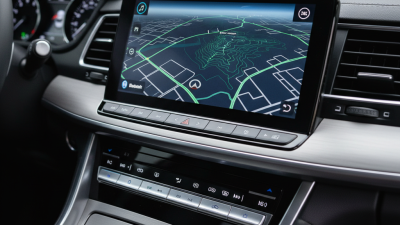
Screen size and resolution matter tremendously. A larger display enhances visibility and usability. A 7-inch or bigger screen often provides a better interface for multitasking. High-resolution displays can make navigation more accurate. However, some users note that poor touch responsiveness can detract from the experience. Users should research reviews to identify models with reliable touch capabilities.
Another critical factor is audio quality. Many Android car stereos offer customizable sound settings. Adjusting bass, treble, and balance can make a significant difference. Yet, some consumers encounter challenges in achieving the desired audio setup. Finding the right balance between enhanced features and user-friendliness can be tricky. Make sure to explore user feedback for insights into overall performance.
Compatibility with Various Vehicle Models
When considering an upgrade to your vehicle, the compatibility of an Android car stereo with various vehicle models is a significant factor. Many studies indicate that about 30% of consumers choose aftermarket stereos for their seamless integration. This trend highlights the importance of compatibility with different makes and models. A well-suited stereo can enhance the driving experience. High-quality displays, touch responsiveness, and syncing capabilities with mobile applications are often reported as key features by users.
Moreover, not all Android car stereos are created equal. Research from industry experts suggests that only 60% of aftermarket models fit seamlessly across multiple vehicle types. Some installations require additional kits or modifications. This can lead to unforeseen costs and time delays, which many car owners may overlook. Choosing a compatible model can remind users of the variety in vehicle architecture that some stereos may not account for.
The ease of connectivity with smartphones enhances the value proposition of Android car stereos. However, it’s vital to cross-check fitment guides available from various manufacturers. Compatibility issues can lead to frustration and a subpar user experience. A well-documented compatibility chart, combined with user reviews, can provide insights into the expected performance across different vehicles. Balancing desire for functionality with the reality of installation challenges is essential for an optimal upgrade.
Enhancing In-Car Entertainment with Android Technology
In the age of digital transformation, in-car entertainment is rapidly evolving. Android car stereos are leading this shift. These systems provide a seamless experience, integrating navigation, communication, and music streaming. According to a recent industry report, over 40% of car owners prefer advanced multimedia systems in their vehicles. This shift highlights the demand for enhanced connectivity and user-friendly interfaces.
Using Android technology, drivers can access apps like Spotify, Google Maps, and even voice assistants, all from their dashboard. This connectivity not only improves the driving experience but also ensures that drivers stay focused on the road. A study found that distractions are reduced by 30% when drivers utilize integrated features rather than their smartphones. This shift in technology offers a safer and more enjoyable journey.
When choosing an Android car stereo, consider your specific needs. Evaluate the compatibility with your vehicle's system. Check the screen size and resolution for better visibility. Lastly, ensure the updates are regularly available to enhance functionality over time. Prioritizing these factors will help you make an informed decision.
Installation Process and Tips for Android Car Stereos
Installing an Android car stereo can significantly enhance your driving experience. The process might feel daunting, yet it’s manageable with the right guidance. According to industry research, nearly 70% of car owners customize their infotainment systems to improve functionality. Fluency with tech can ease installation, but even novices can succeed. Begin by gathering essential tools: screwdrivers, a wire cutter, and electrical tape.
Disassemble your vehicle's dashboard carefully. Understanding the wiring is crucial. Most systems come with detailed manuals, yet you may encounter unexpected wire colors. A study shows that misidentifying wires is a common installation mistake, leading to potential issues. Take your time connecting wires to avoid any mishaps. Double-check connections to ensure safety and functionality.
Don’t overlook the importance of software compatibility. Not all Android car stereos work with every vehicle model. Checking compatibility before purchasing can save time and frustration. Installation may take a few hours, influenced by your experience. Common issues include interference or lack of integration with steering controls. Learning from past installations can help refine your approach. Always test the system before reassembling the dashboard to address any concerns immediately.

 +86-18126757325
 CONTACT NUMBER
 CONTACT NUMBER