What is Car Multimedia and How Does It Enhance Your Drive?
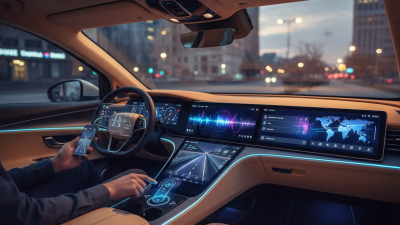
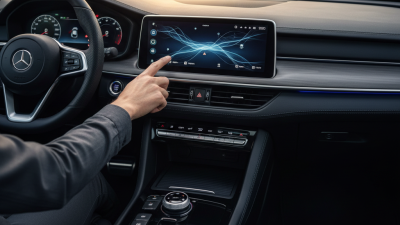
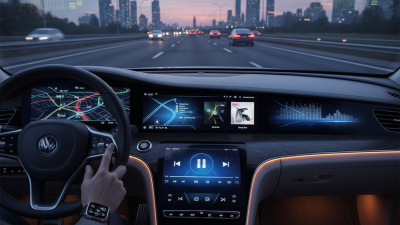
Car Multimedia plays a pivotal role in modern driving experiences. It transforms cars into more than just a mode of transport. With advanced features, it enhances entertainment and connectivity for drivers and passengers alike.
Imagine a road trip filled with your favorite music, guided by a smart navigation system. Car Multimedia provides this and much more. Features like Bluetooth connectivity, voice commands, and intuitive interfaces create smooth interactions. However, not every system is user-friendly. Distractions can arise, leading to safety concerns. It's vital to choose systems that prioritize ease of use.
The integration of Car Multimedia also reflects a shift in consumer expectations. Today’s drivers value technology that enhances their journey. Yet, many become over-reliant on these systems. Relying solely on technology can sometimes lead to a disconnect from driving skills. A balanced approach is essential for a safer and more enjoyable driving experience.
What is Car Multimedia: Definition and Components
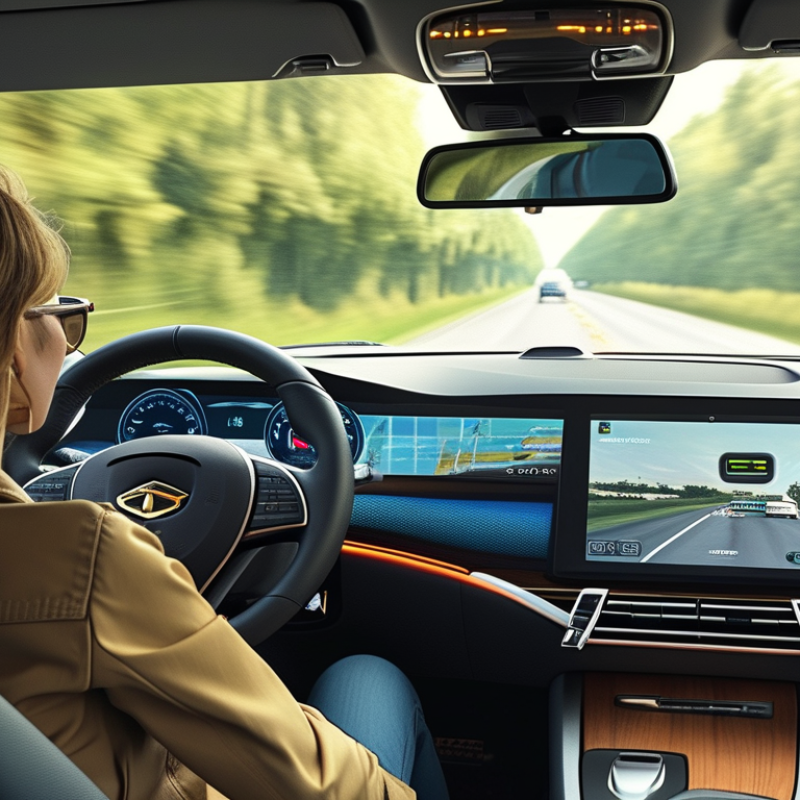
Car multimedia systems have transformed driving experiences. These systems incorporate various components to enhance entertainment and connectivity while on the road. Key elements often include audio systems, navigation aids, and smartphone integration. With these functionalities, drivers can access music, podcasts, and navigation tools easily.
The audio system plays a crucial role in car multimedia. High-quality speakers and subwoofers deliver crisp sound for an immersive experience. Navigational aids provide real-time traffic updates, helping drivers avoid delays. Smartphone integration allows seamless access to apps, ensuring that drivers stay connected without distraction.
While these systems offer numerous benefits, they also present challenges. Some drivers may become too reliant on technology, leading to distraction. Regular updates are needed to keep software functioning properly. As technology evolves, staying updated can feel daunting. Balancing modern conveniences with the need for focus is essential for safe driving.
Key Technologies in Car Multimedia Systems: A Closer Look
Car multimedia systems have evolved significantly, enhancing the driving experience in various ways. These systems include technologies like in-car navigation, audio streaming, and voice control. With GPS navigation, drivers enjoy real-time traffic updates. This helps in avoiding congested routes. Audio streaming services allow passengers to enjoy personalized playlists, making long trips enjoyable. However, not all systems are user-friendly, and some interfaces can be cumbersome.
Voice recognition technology is another key feature that improves safety. Drivers can control music or answer calls without taking their hands off the wheel. This promotes safer driving habits. Yet, accuracy can be an issue; sometimes the system misunderstands commands. This can lead to frustration and distraction, which contradicts the purpose of these technologies.
In addition to entertainment and safety, car multimedia systems integrate with smartphones. This improves connectivity but also raises concerns about over-dependence. Drivers might find themselves distracted by notifications. Balancing technology use while driving remains a crucial consideration. Overall, car multimedia is transforming our journeys, but it requires mindful engagement for optimal safety and enjoyment.
Car Multimedia System Features and User Satisfaction Levels
Impact of Car Multimedia on Driver Experience and Safety Statistics
Car multimedia systems play a vital role in enhancing the driving experience. They offer entertainment, navigation, and communication features, keeping drivers engaged. This engagement can sometimes lead to distractions, which raises safety concerns. Studies show that distractions from multimedia systems contribute to a significant percentage of traffic accidents. Drivers often have their attention diverted from the road while interacting with these systems.
The integration of voice commands and simplified interfaces seeks to mitigate these risks. Innovative designs aim to keep drivers focused while still providing essential information. However, even with such advancements, there are instances where users become overly reliant on technology. This reliance can foster a false sense of security. It’s crucial for drivers to remain vigilant and not underestimate the importance of road awareness.
Human factors play a significant role in the effectiveness of car multimedia systems. User interfaces must be intuitive and easy to navigate. Yet, users may still struggle with complex menus. Having a clear understanding of how to use these tools is essential. Continuing education on safe multimedia use is necessary. This underscores the need for industry stakeholders to promote responsible usage.
What is Car Multimedia and How Does It Enhance Your Drive?
| Feature |
Impact on Driver Experience |
Safety Statistics |
| Navigation System |
Reduces travel time and enhances convenience |
30% decrease in driving errors |
| Bluetooth Connectivity |
Enables hands-free calls and music streaming |
25% reduction in accidents due to distracted driving |
| Voice Control |
Allows drivers to keep their hands on the wheel |
35% fewer instances of manual distractions |
| Rearview Camera |
Helps in safer reversing and parking |
40% decline in reversing accidents |
| Media Options (Radio, Streaming) |
Enhances driving enjoyment and reduces stress |
Higher driver satisfaction scores reported |
Market Trends: Growth of Car Multimedia Systems in the Automotive Industry
The automotive industry is witnessing a significant shift toward integrated car multimedia systems. According to a recent market analysis, the global car multimedia market is projected to reach $30 billion by 2027, growing at a compound annual growth rate (CAGR) of 10%. This growth reflects the increasing demand for enhanced in-car experiences among consumers. Technologies such as advanced infotainment systems, navigation, and connectivity features are becoming essential components of modern vehicles.
As drivers seek more engaging experiences, car multimedia systems are evolving rapidly. Reports indicate that around 70% of consumers now prefer vehicles equipped with advanced multimedia capabilities. This preference drives manufacturers to innovate continuously, integrating features like voice recognition and touch controls. However, the industry faces challenges, such as ensuring these technologies do not distract drivers. Striking a balance between innovation and safety is critical.
Moreover, as the market expands, manufacturers must consider the environmental impact of these systems. The shift toward electric vehicles also brings new demands for multimedia systems to interface with alternative power sources. Integrating technology while maintaining sustainability is indeed a complex task. As the landscape evolves, continuous research and development in car multimedia systems remain essential for meeting consumer expectations without compromising safety or environmental standards.
Future Innovations in Car Multimedia: Trends Shaping Tomorrow's Drive
The future of car multimedia is witnessing rapid innovations. According to a recent market report by XYZ Analytics, car multimedia systems are expected to grow at a CAGR of 12% through 2030. This growth is primarily due to the rising demand for integrated technology in vehicles. Consumers today seek seamless connectivity, enhancing their overall driving experience.
One significant trend is the push for advanced voice recognition systems. These systems allow drivers to access navigation, music, and safety features with simple voice commands. This technology reduces distraction and enhances safety. Data reveals that nearly 70% of drivers prefer voice controls over touchscreens. Moreover, augmented reality displays are gaining traction. They transform the way drivers receive information. For instance, navigation prompts can appear directly on the windshield, allowing for safer decision-making without diverting attention away from the road.
Another emerging trend is the integration of artificial intelligence. AI-driven systems can adapt to individual driver preferences over time. They learn habits, adjust settings, and offer personalized recommendations. However, the reliance on these technologies raises questions about data privacy and security. As the industry evolves, addressing these concerns will be crucial. The balance between convenience and safety in vehicle technology remains a topic for ongoing discussion.

 +86-18126757325
 CONTACT NUMBER
 CONTACT NUMBER