Leave Your Message

10 Best Double Din Head Units in 2026?

Choosing the right Double Din Head Unit in 2026 involves more than comparing screen size and brand names. Modern dashboards now combine audio, navigation, smartphone access, cameras, and vehicle controls. A suitable unit should feel responsive in daily use, not merely impressive on a product page.

This guide examines ten leading options through practical criteria, including display clarity, boot speed, wireless Apple CarPlay and Android Auto, microphone performance, audio adjustment, and installation flexibility. Compatibility also matters. A head unit may fit a standard dashboard, yet still require an adapter for steering-wheel controls, factory amplifiers, or a backup camera. Small details can change the total cost.

Real-world experience often reveals weaknesses that specifications hide. A bright seven-inch screen may become difficult to read under direct sunlight. Wireless connectivity can feel convenient, but occasional pairing delays remain possible. Some models offer powerful equalizers, while others keep controls simpler for safer adjustment on the road. These differences deserve careful attention.

The selections consider reputable manufacturers, documented features, user feedback, and long-term usability. No model is perfect. Even a highly rated unit may need firmware updates or professional installation. That is worth remembering. The goal is not to crown one universal winner, but to identify the best match for different vehicles, budgets, sound preferences, and driving routines.
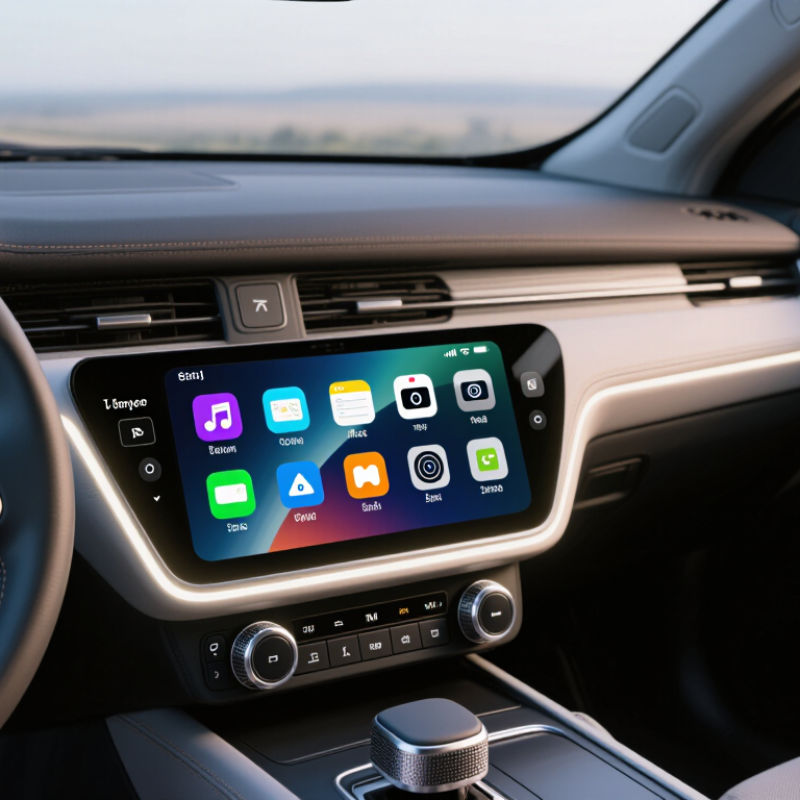
10 Best Double Din Head Units in 2026?

What Is a Double-DIN Head Unit and Why Does It Matter in 2026?

A double-DIN head unit is an in-dash receiver measuring roughly 180 by 100 millimeters. The label describes size, not performance. Actual fitment still depends on the dashboard, mounting brackets, and wiring.

In real installations, a unit can fit the opening but leave gaps around the trim. That small detail often separates a clean upgrade from a frustrating one.

Size matters.

In 2026, a capable double-DIN unit connects navigation, calls, music, cameras, and vehicle controls in one place. A responsive touchscreen reduces distraction more than a crowded menu system. Wireless phone integration is convenient, but stable pairing matters more than impressive specifications.

Check support for steering-wheel controls, parking-camera input, microphone quality, and software updates before buying. Audio settings also deserve attention, especially if the vehicle has factory amplifiers or upgraded speakers.

Incorrect wiring may create noise or disable important controls. Professional installation can prevent those problems, although experienced owners may manage the work carefully with a verified harness and wiring diagram.

Bigger screens look attractive. They can also block vents or sit too close to the gear selector. The best choice is not always the most expensive one. It is the unit that matches the car, driving habits, and technical limits.

Even careful research cannot predict every dashboard variation.
Key Features to Compare in Modern Double-DIN Head Units

When comparing modern double-DIN head units, screen quality deserves more attention than a large diagonal measurement. A bright capacitive display should remain readable in direct sunlight and respond accurately with dusty fingers. Test viewing angles, menu speed, and glare before choosing. Physical knobs still matter. Gloves, sunlight, and rough roads expose weak controls quickly. Wireless smartphone integration adds convenience, but connection stability matters more than marketing claims. Some systems reconnect slowly after starting the engine. That small delay becomes annoying during daily commutes.

Audio controls separate a basic receiver from a capable system. Look for adjustable equalization, crossover settings, time alignment, and clean preamp outputs. These features help balance door speakers, subwoofers, and different cabin sizes. Check the stated power rating carefully, because peak figures can sound impressive but reveal little about sustained performance. A built-in microphone should produce clear calls with limited road noise. Test it on a moving road, not only in a quiet driveway.

Vehicle compatibility also requires careful comparison. Confirm steering-wheel control support, factory camera integration, parking sensors, and the correct mounting depth. A unit may fit the dashboard but still require extra wiring interfaces. I have learned that installation planning prevents more trouble than chasing the newest feature. Firmware update procedures should be clear and safely documented. Privacy settings deserve attention too, especially when location services and contact syncing are enabled. I sometimes overvalue screen size, then notice slow menus after installation. A smaller, faster display can be the better everyday choice.

How the 10 Best Double-DIN Head Units Differ by Use Case

10 Best Double-DIN Head Units in 2026?

The best double-DIN head unit depends on your driving routine, not its screen size. A commuter may need fast wireless smartphone integration and clear voice control. A touring driver may prioritize reliable navigation, traffic updates, and a bright display. For music-focused owners, time alignment, adjustable crossovers, and a clean preamp signal matter more. S&P Global Mobility reported that the average U.S. vehicle age reached 12.6 years in 2024. That makes retrofit compatibility especially important. An older dashboard may require a specific harness, mounting kit, or steering-wheel interface.

Use case changes the shortlist. Family vehicles benefit from simple menus, physical volume controls, and stable Bluetooth pairing. Work trucks need readable screens, strong buttons, and cameras that remain visible in sunlight. Small cabins may suit a shallow chassis, while upgraded systems need multiple preamp outputs. J.D. Power’s 2024 U.S. Tech Experience Index Study found infotainment remains a major source of owner frustration, especially when controls feel complicated. I would not pretend one model suits every dashboard. Some impressive units still have slow menus or weak microphone performance.

Tips: Check vehicle depth, wiring, camera support, and screen glare before buying. Test the menu with one hand. Confirm phone compatibility from the manufacturer’s current specifications. Leave room for professional installation, because a poor ground can create noise, resets, or unreliable controls. Testing these details matters more than chasing the highest advertised wattage.

10 Best Double Din Head Units in 2026? — How the 10 Best Double-DIN Head Units Differ by Use Case

Rank Double-DIN Head Unit Type Best Use Case Display and Controls Phone Integration Audio Capability Connectivity Installation Considerations Use-Case Rating
1 Wireless Smartphone-First Receiver Daily driving with frequent navigation, calls, music, and voice control 6.8–7.0-inch capacitive touchscreen; physical volume control preferred Wireless Apple CarPlay and wireless Android Auto; Bluetooth hands-free calling Built-in amplifier, commonly around 4 × 50 W maximum output; 13-band or similar equalizer on advanced models USB connection, Bluetooth, AM/FM, rear camera input, and often a second camera input Requires a compatible wireless phone and a reliable USB connection for initial setup or charging ★★★★★
2 Large-Screen Navigation Receiver Drivers who prioritize a larger map and easy on-screen visibility 8–10.1-inch touchscreen; floating screens may extend above the standard dashboard opening Wired or wireless Apple CarPlay and Android Auto, depending on configuration Built-in amplification with multiple preamp outputs for external amplifiers Bluetooth, USB, AM/FM, rear camera input, and navigation through the phone or an integrated navigation system Check dashboard clearance, screen height, steering-wheel visibility, and compatibility with factory controls ★★★★★
3 Audiophile-Oriented Receiver Sound-quality upgrades using aftermarket speakers, subwoofers, or amplifiers 6.8–7.0-inch touchscreen with detailed audio menus Wired or wireless smartphone integration; Bluetooth audio streaming Time alignment, multi-band equalization, adjustable crossover points, and three or more preamp outputs USB, Bluetooth, AM/FM, subwoofer control, and multiple amplifier connections Best results require correct gain setting, speaker polarity, crossover adjustment, and professional tuning ★★★★★
4 Budget Touchscreen Receiver Replacing an aging factory radio while keeping essential modern features 6.8–7.0-inch capacitive touchscreen; simpler menu and audio controls Usually wired Apple CarPlay and Android Auto; Bluetooth calling and audio Basic equalizer, built-in amplifier, and at least one preamp output on many models USB, Bluetooth, AM/FM, and commonly a backup-camera input Confirm that the wiring harness, dash kit, antenna adapter, and steering-wheel interface are available ★★★★☆
5 Factory-Feature-Friendly Receiver Vehicles that need to retain steering-wheel buttons, reverse-camera functions, or accessory controls 6.8–7.0-inch touchscreen with customizable button or interface support Wired or wireless Apple CarPlay and Android Auto, depending on the model Built-in amplifier, adjustable balance and fade, and multiple preamp outputs on higher-spec units USB, Bluetooth, AM/FM, camera input, and compatibility with external vehicle interfaces Vehicle-specific integration modules may be required to preserve factory controls, warning tones, or display functions ★★★★★
6 Rear-Seat Entertainment Receiver Family vehicles where passengers need easy media access on long trips 6.8–7.0-inch touchscreen with simple media browsing and rear-monitor support Smartphone integration plus Bluetooth audio; wireless headphones may require separate equipment Built-in amplifier, front and rear audio controls, and selectable audio zones on some configurations USB media playback, Bluetooth, HDMI or video output on selected models, and camera input Verify video-output type, cable routing, passenger-screen compatibility, and safe driver-control restrictions ★★★★☆
7 Camera and Parking-Safety Receiver Vehicles that need clearer reversing visibility or multiple camera views 6.8–7.0-inch touchscreen with automatic camera switching and adjustable guidelines on supported systems Apple CarPlay and Android Auto may be wired or wireless; Bluetooth hands-free calling Standard built-in amplification with camera audio and display priority controls Rear camera input, optional front or side camera input, USB, Bluetooth, and AM/FM Camera type, video format, trigger-wire behavior, and parking-line calibration must match the vehicle installation ★★★★★
8 Off-Road and Utility Receiver Trucks, SUVs, and work vehicles exposed to dust, vibration, or frequent camera use 6.8–7.0-inch touchscreen; physical controls are useful when driving on uneven roads Wired or wireless smartphone integration, depending on configuration Built-in amplifier with subwoofer control and multiple preamp outputs on upgrade-oriented units USB, Bluetooth, AM/FM, rear camera, front camera, and sometimes an auxiliary input Use a secure dash mounting solution and protect exposed USB or camera connections from moisture and vibration ★★★★☆
9 Hands-Free Calling and Voice-Control Receiver Drivers who make frequent calls and prefer voice commands over touchscreen input 6.8–7.0-inch capacitive touchscreen with a dedicated microphone and clear call controls Bluetooth calling, voice assistant access, and Apple CarPlay or Android Auto Echo-control microphone processing, built-in amplifier, and basic-to-advanced equalization Bluetooth, USB, AM/FM, and rear camera input Microphone placement near the driver is important; avoid mounting it behind the steering wheel or near air vents ★★★★☆
10 Simple Physical-Control Receiver Drivers who want modern connectivity without relying on a fully touch-based interface 6.8–7.0-inch display with rotary volume knob or shortcut buttons Usually wired Apple CarPlay and Android Auto; Bluetooth calling and audio Built-in amplifier, basic equalizer, and one or more preamp outputs USB, Bluetooth, AM/FM, and rear camera input on many configurations Physical controls improve usability, but the dashboard opening and vehicle wiring still require a compatible installation kit ★★★★☆
Ratings indicate suitability for the stated use case rather than a universal product ranking. Actual features vary by model, vehicle compatibility, software version, and installation equipment.

Installation, Compatibility, and Vehicle Integration Considerations

Choosing among the 10 best double DIN head units in 2026 requires more than comparing screen size and audio features. A “double DIN” opening usually follows a standard width and height, but dashboard depth can vary sharply. Measure the cavity, surrounding trim, and rear clearance before buying. Some units need a vehicle-specific fascia, mounting brackets, and an adapter for the factory wiring. Do not cut original wires unless the installation guide clearly permits it.

Vehicle integration often determines the real result. Confirm support for steering-wheel controls, factory amplifiers, parking sensors, reverse cameras, and external microphones. Newer vehicles may use digital communication networks, requiring an interface module to preserve these functions. Check connector types and speaker impedance carefully. A mismatched amplifier can create distortion or trigger protection faults. Firmware support also matters, especially for phone projection and wireless connections.

Installation is not always as simple as it looks. Disconnect the battery when appropriate, protect the trim, and test every function before reassembling the dashboard. A loose ground may cause random restarts. Poor ventilation can create heat buildup behind the screen. Compatibility databases are useful, but they can be incomplete or outdated. That is an uncomfortable detail. When documentation conflicts with the vehicle’s actual wiring, a qualified installer should verify the system with a meter and the vehicle service information. Testing takes time. It prevents expensive surprises.

10 Best Double Din Head Units in 2026? – Installation, Compatibility, and Vehicle Integration Considerations

Brand-neutral evaluation priorities for comparing double-DIN receivers. The weighting reflects the practical impact of each factor on fitment, installation success, and long-term vehicle integration.

How to read this chart: Physical fit and wiring compatibility receive the highest weight because vehicle openings, dash depth, connector type, retained factory functions, and required adapters determine whether a unit can be installed correctly. Steering-wheel controls, camera support, and amplifier integration are also essential checks before purchase.

How to Choose the Right Double-DIN Head Unit for Your Car

Choosing a double-DIN head unit starts with the car, not the screen. In my installations, dash depth, mounting brackets, steering-wheel controls, and factory amplifiers cause more trouble than advertised wattage. Measure twice. Check the vehicle’s year, trim, wiring, and camera connector before ordering. A shallow chassis may fit a tight dashboard, while a deeper unit can block climate controls. Compatibility lists are useful, but they are not infallible. I once trusted a listing and needed an extra interface for retained controls.

Screen size should follow viewing distance and sunlight, not fashion. A 6.8- or 7-inch display often leaves physical buttons within reach; larger panels can improve map visibility. Choose a capacitive screen with strong brightness, an adjustable viewing angle, and tactile volume control. Wired phone projection usually offers steadier performance, while wireless convenience can bring startup delays or pairing failures. J.D. Power’s 2024 U.S. Multimedia Quality and Satisfaction Study highlights smartphone integration and system ease of use as major satisfaction factors. Test both before buying.

Safety deserves more weight than novelty. NHTSA recorded 3,275 distracted-driving deaths in 2023, according to Traffic Safety Facts. Select voice control, quick physical access, and automatic dimming. Grand View Research valued the global automotive infotainment market at approximately 28.6 billion dollars in 2023, projecting a 9.3% CAGR through 2030. That growth creates crowded specifications. Do not assume every camera or factory microphone will transfer. Ask for connector diagrams and firmware support in writing. Firmware support matters. Budget for installation. Cheap harnesses can create noise, battery drain, or lost warning chimes. A beautiful screen still frustrates me when it reboots during every cold start.