The Best Car Audio Systems for Sound Quality and Value?
Selecting the best car audio systems can be challenging. Numerous options exist, each promising superior sound quality. However, identifying the ideal match for your needs is crucial. According to a recent market study, the car audio industry is projected to reach $14 billion by 2025. This growth highlights a rising consumer demand for high-quality sound.
Top brands like Bose and JBL have set industry standards. Their products often deliver clarity and depth, essential for audiophiles. Yet, many audio systems may not justify their high price tags. Some models may fail to provide a well-balanced sound. In fact, 30% of users find their systems unsatisfactory within a year.
Investing in car audio should prioritize both sound quality and value. This ensures an enjoyable listening experience during long drives. It can also be more beneficial to research lesser-known brands, which might offer competitive quality at lower prices. Finding the right system is not only a personal journey but also an opportunity for reflection. What truly matters to you in your audio experience? Making informed choices is key in this evolving market.
Factors to Consider When Choosing a Car Audio System
When selecting a car audio system, consider sound quality first. Look for systems that provide clear highs and deep bass. It’s essential to listen to demos. Many systems may look appealing but lack punch when it comes to sound clarity. Test the system with various music genres. This can reveal the system's true capabilities.
Next, think about value. Determine your budget beforehand. High price doesn’t guarantee high quality. It's wise to read reviews and compare products. Sometimes, a more affordable option provides excellent sound without breaking the bank. Remember to check the warranty too. A longer warranty often indicates better product reliability.
Tip: Ensure compatibility with your vehicle. A great audio system may not fit your car’s size or connector type. Measure your available space to avoid disappointment.
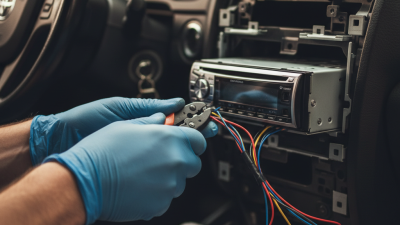
Finally, installation can be tricky. If unsure, seek professional help. A poor installation can ruin your new system’s performance. It's worth investing time to get it right. Your ears will thank you for it.
Types of Car Audio Systems: Pros and Cons
When choosing a car audio system, understanding the types available is crucial. One popular option is the component audio system. This system separates speakers into different components, like tweeters and woofers. It offers excellent sound quality but can be complex to install. Installation requires time and skill, which may not be suited for everyone.
Another option is a full-range speaker system. This type combines multiple audio frequencies into a single unit. It is user-friendly and often less expensive. However, some audiophiles find the sound quality lacking. They may feel that full-range systems don't capture the depth of music as well as components.
Lastly, there's the all-in-one system that integrates several features in one unit. These systems are convenient and can be a great value. But they often compromise on sound quality. Users might notice distortions at higher volumes. This trade-off between convenience and audio fidelity is worth considering. Each type comes with its own set of advantages and drawbacks, making personal preference essential in the decision-making process.
The Best Car Audio Systems for Sound Quality and Value
| Type |
Pros |
Cons |
Average Price ($) |
Sound Quality Rating (out of 10) |
| Component System |
Superior sound quality, customizable |
Complex installation, higher cost |
300 - 800 |
9 |
| Coaxial Speakers |
Easy installation, space-saving |
Less sound quality compared to components |
100 - 400 |
7 |
| Subwoofer Systems |
Great bass response, enhances overall sound |
Requires space, can be expensive |
200 - 1000 |
8 |
| All-in-One Systems |
Compact, easy to install, good for casual listeners |
Limited sound customization, lower sound quality |
150 - 500 |
6 |
| Digital Signal Processors (DSP) |
Enhances sound quality and customization |
Requires technical knowledge for setup |
150 - 600 |
9 |
Top Brands Known for High-Quality Car Audio Systems
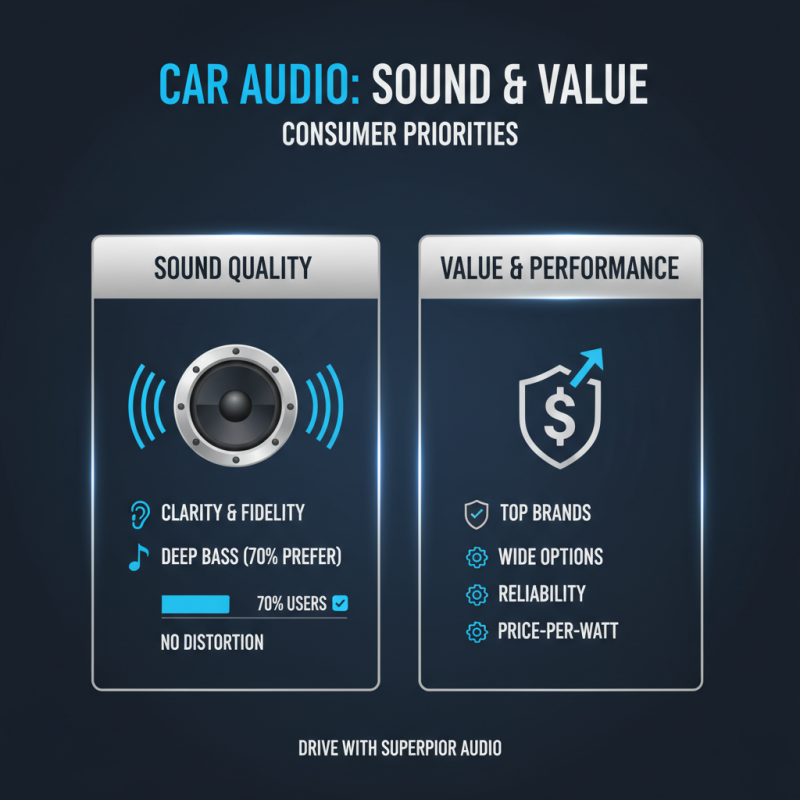
When it comes to car audio systems, sound quality and value are crucial. Numerous brands excel in this field, offering options that cater to different needs. Reports indicate that a significant portion of consumers prioritize sound clarity and bass performance. Specifically, about 70% of users appreciate systems that provide deep bass without distortion.
One key factor influencing consumer choices is speaker size. Larger speakers can often produce better sound quality, but they require more space. Many users find themselves torn between high-quality sound and the limitations of their car's design. This creates an interesting dilemma: compromise on sound or aesthetics. Additionally, integrating advanced technology, like Bluetooth connectivity and surround sound, is becoming increasingly standard. However, not all systems deliver consistently on these promises.
Statistics reveal that over 60% of customers are willing to invest more for superior sound. Yet, many still opt for lower-priced options, assuming they will suffice. This can lead to disappointment. The challenge lies in balancing budget constraints with the desire for a top-tier listening experience. It’s essential for enthusiasts to research each option thoroughly, as the best system is not always the one with the highest price tag.
Best Car Audio System Features for Enhanced Sound Quality
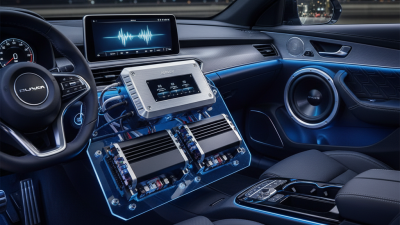
When choosing a car audio system, consider essential features that enhance sound quality. High-quality speakers are fundamental. Research shows that systems with component speakers can improve clarity and soundstage. These speakers separate the woofer and tweeter for better audio output.
Power handling is another crucial factor. A study indicates that systems with higher wattage provide richer sound, especially at higher volumes. However, many users overlook the importance of amplifier quality. An efficient amplifier can make a significant difference in sound fidelity. For instance, class D amplifiers are renowned for their efficiency and performance.
Additionally, sound customization features can elevate the listening experience. Equalizers allow users to fine-tune their audio settings. Many reports suggest a 5-band equalizer as a minimum for effective adjustments. Yet, users often feel overwhelmed by complex settings. Simplicity in adjusting these parameters can lead to a more enjoyable experience. So, while seeking audio excellence, remember that the journey can be daunting yet rewarding.
Value-for-Money Car Audio Systems: Top Recommendations
When looking for value-for-money car audio systems, sound quality is key. Many systems offer a range of features at various prices. You need to strike a balance between cost and audio performance. A basic setup might include a decent head unit and a pair of speakers. However, it's tempting to go for more expensive options. Sometimes, these pricey systems provide diminishing returns in sound quality.
Upgrading your sound system can feel overwhelming. You may find lower-end speakers that still deliver crisp highs and punchy bass. It’s important to test speakers at different volumes. Do they distort? This is a crucial factor. Unfortunately, not every high-priced option guarantees top-tier performance. Also, installation can be tricky. Sometimes, DIY attempts can lead to disappointment.
Researching customer reviews helps but have some skepticism. Everyone's taste in music varies. What sounds great to one person may not resonate with another. Keep an open mind, though. Your choice should match your listening preferences and budget. It’s about finding that sweet spot between quality and affordability.

 +86-18126757325
 CONTACT NUMBER
 CONTACT NUMBER