Best Car Audio Systems of 2026 Top Features and Reviews
In the ever-evolving world of automotive technology, choosing the right car audio system is essential for every music lover. A great audio system transforms your driving experience. It can turn an ordinary journey into an immersive sound adventure. As we look at the best car audio systems of 2026, the features and reviews make a huge impact.
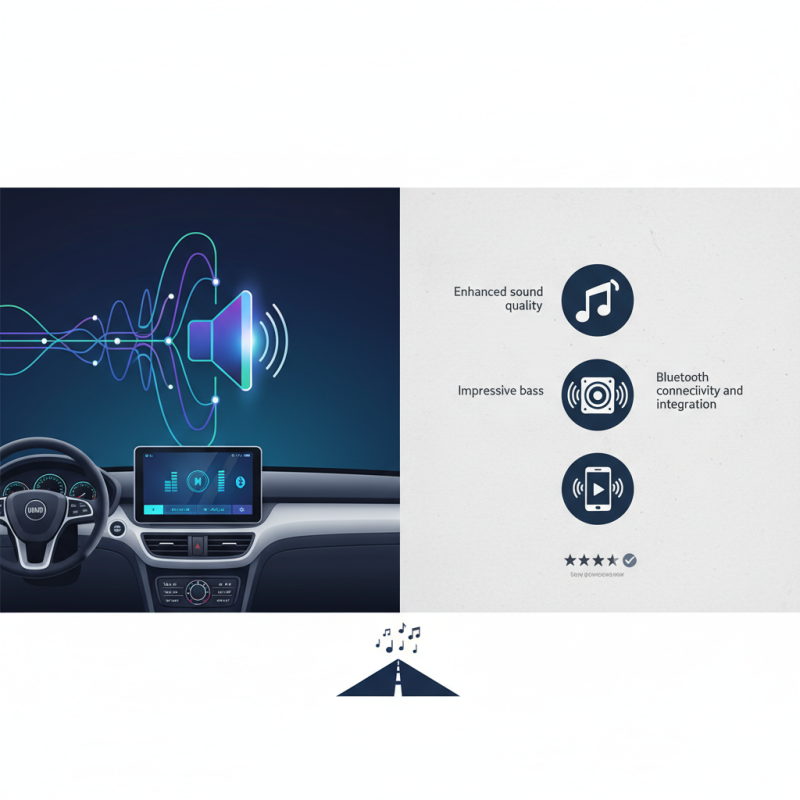
Modern systems boast enhanced sound quality, impressive bass, and user-friendly interfaces. Features like Bluetooth connectivity and smartphone integration have become standards. However, not all systems meet expectations. Some may lack durability or user satisfaction.
When shopping for a car audio system, take time to evaluate options. Look for quality sound, ease of installation, and compatibility with your vehicle. Personal preferences matter too. Everyone has their unique sound profile. A wise choice can elevate your daily commute or weekend road trip. In contrast, a poor selection may leave you disconnected.
Best Car Audio Systems Overview for 2026
In 2026, car audio systems have advanced significantly. Enhanced features are focused on
sound quality, connectivity, and user-friendly interfaces. Many systems now come with
advanced Bluetooth technology. This allows seamless pairing with devices, ensuring
a smooth listening experience.
When choosing a car audio system, consider your listening habits. If you're an audiophile, pay
attention to the sound output details. Thumping bass and clear vocals should be
non-negotiable. However, some systems sacrifice clarity for bass. This imbalance may hinder your
overall enjoyment.
Tip: Always prioritize systems with
adjustable equalizer settings. This provides
control over audio balance. Another factor is installation complexity. Some systems require
professional help, which can add to costs. DIY installations can be rewarding but may lead to
mistakes.
Reflect on your needs. Are you into podcasts or
music? This affects the system you should choose. An
overpriced system won’t guarantee satisfaction. Balance quality and budget wisely, ensuring
a tailored fit for your car and listening style.
Key Features to Look for in Car Audio Systems
When choosing a car audio system, key features can make a huge difference. Start with sound quality. Look for systems that deliver clear audio at all volumes. Deep bass is crucial for an immersive experience. Explore options with adjustable equalizers to personalize your sound.
Connectivity is essential too. Bluetooth compatibility allows for easy pairing with devices. USB ports offer flexibility for music playback. Some systems even support voice commands for hands-free control. It can be frustrating dealing with tangled wires, so prioritize wireless capabilities.
For a better experience, consider user-friendly interfaces. A touchscreen display can simplify navigation. However, a complex interface can lead to distractions while driving. Take your time to understand the controls before hitting the road. Safety should always come first—not just sound quality.
Best Car Audio Systems of 2026 - Key Features and Reviews
| Feature |
Description |
Rating (Out of 5) |
| Bluetooth Connectivity |
Seamless pairing with smartphones for music streaming and calls. |
4.8 |
| Built-in Navigation |
Integrated GPS navigation for easy route planning. |
4.5 |
| Touchscreen Display |
High-resolution display for easy controls and information display. |
4.6 |
| Multi-Zone Audio |
Allows control of audio in different areas of the vehicle. |
4.7 |
| Subwoofer Integration |
Enhanced bass output for a fuller sound experience. |
4.9 |
| Smartphone Integration |
Compatible with Android Auto and Apple CarPlay for easy access to apps. |
4.8 |
| Equalizer Settings |
Customizable audio settings for personal sound preference. |
4.6 |
| Voice Control |
Hands-free operation for safe driving experience. |
4.7 |
Top Brands in the Car Audio Market for 2026
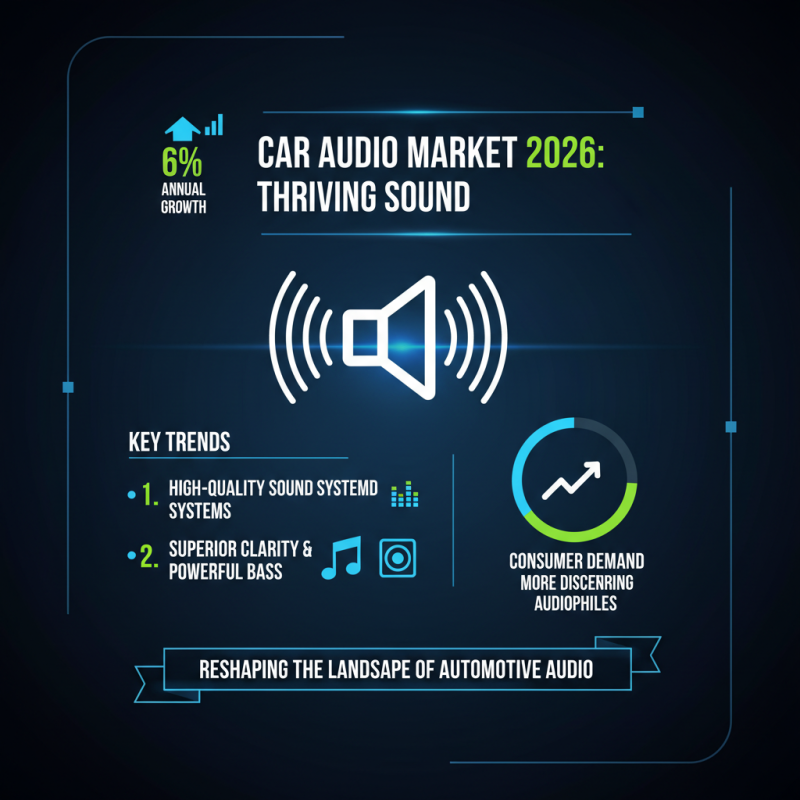
The car audio market in 2026 is thriving, with increasing demand for high-quality sound systems. Recent industry reports show a steady growth rate of 6% annually. Consumers are becoming more discerning, looking for superior sound clarity and powerful bass. This trend is reshaping the landscape of car audio systems.
Leading brands focus on innovation. Many systems now include advanced features like Bluetooth connectivity, smartphone integration, and high-resolution audio playback. A research study indicated that 45% of buyers prioritize connectivity options. However, some models may fall short in user interfaces. Complicated setups can frustrate consumers. Brands must address this gap in usability to remain competitive.
The younger demographic is a significant driver in this market. Studies reveal that 70% of millennials value audio quality in their vehicles. They seek systems that enhance their driving experience. High performance is essential, but many products still lag in durability. This inconsistency can deter prospective buyers. Brands must invest in robust materials and thorough testing to enhance product lifespans.
Comparative Analysis of Audio Quality and Performance
When assessing car audio systems for 2026, audio quality and performance stand out. Many reports reveal that sound clarity in car systems has progressed significantly. A study published by Car Audio Insights noted that over 70% of consumers prioritize sound quality over price. This trend highlights consumers’ pursuit of richer audio experiences.
The latest data shows that systems producing a frequency range of 20Hz to 20kHz are considered ideal. This frequency range mirrors human hearing ability. However, achieving this often involves a compromise. Some systems excel in bass but may lack clarity in highs. According to the Automotive Sound Research Institute, many users report dissatisfaction with balance. The challenge remains in integrating both elements seamlessly.
Performance ratings are equally crucial. Fast response times in audio systems enhance user experience. System tests indicate that latency over 20 milliseconds is often noticeable. Greater tuning capabilities can elevate overall satisfaction but may confuse the average user. Not everyone seeks or understands extensive customization options. Therefore, straightforward systems may attract a more significant market share despite advanced features.

 +86-18126757325
 CONTACT NUMBER
 CONTACT NUMBER