Best Car Audio System for Exceptional Sound Quality?
When it comes to achieving exceptional sound quality in your vehicle, the choice of a car audio system is crucial. According to a recent report by Market Research Future, the global car audio system market is expected to exceed $20 billion by 2025. This growth is driven by consumers' increasing demand for high-quality sound and advanced audio features. Experts emphasize the importance of sound fidelity. Renowned audio engineer Daniel Weiss states, "Quality sound transforms your driving experience."
Many brands claim to offer the best solutions, but not all deliver. Factors such as speaker quality, amplifier strength, and overall system integration can drastically affect sound performance. A system that lacks balance may lead to distorted sound or insufficient bass response. Careful selection and tuning are vital. Some systems perform well in specific conditions but falter when it comes to versatility. The right car audio system can enhance your listening experience, yet the wrong choice can leave you disappointed.
It’s important to conduct thorough research. Whether you prioritize brand reputation, features, or user reviews, knowing what impacts sound quality is essential. Investing time to understand different configurations will help you make an informed choice. In the evolving landscape of audio technology, understanding your options is key to transforming your car into a premium sound environment.
Understanding the Components of a Car Audio System for Sound Quality
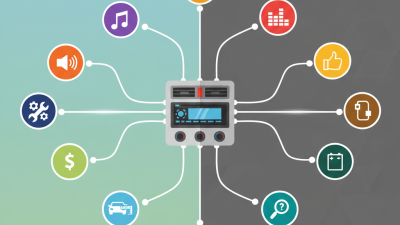
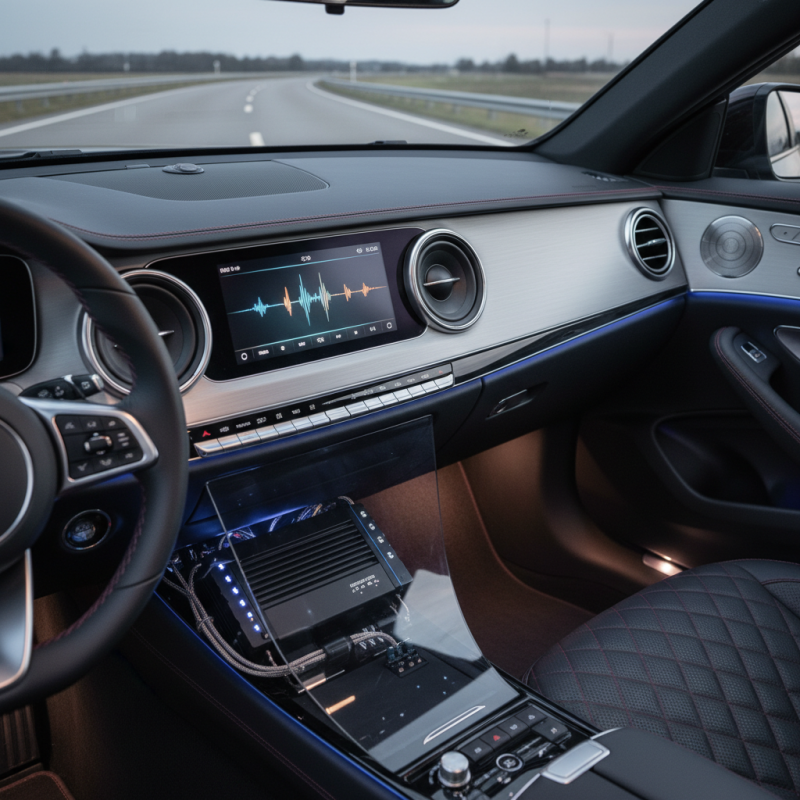
A car audio system consists of several components that greatly influence sound quality. Understanding these parts is crucial for achieving that exceptional audio experience. The head unit is the control center. It determines the output quality and offers features like Bluetooth connectivity, equalizers, and subwoofer controls. A quality head unit can significantly enhance sound clarity.
Speakers play an equally important role. There are various types, including coaxial and component speakers. Coaxial speakers combine multiple elements into one unit, while component speakers separate each element for better sound fidelity. Proper installation enhances their performance. Placement also matters; positioning speakers at ear level can create a more immersive audio experience.
The amplifier is another key component. It boosts the audio signal for better clarity, especially at higher volumes. A weak or poorly matched amplifier can distort sound. When choosing an amplifier, consider power ratings and compatibility with your speakers. Investing in high-quality wiring can also make a difference. Quality cables reduce signal loss, improving overall sound quality. These components work together, and even small oversights can affect your listening experience.
Best Car Audio System for Exceptional Sound Quality
This chart illustrates the impact of various components on overall sound quality in car audio systems. Understanding these elements can help you make informed decisions when upgrading your audio setup.
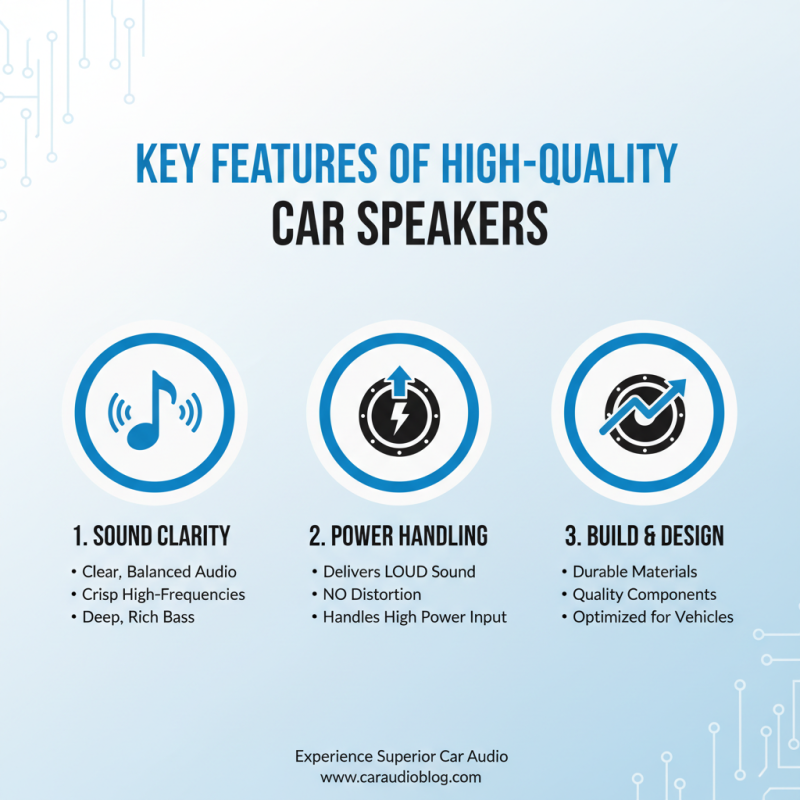
Key Features to Look for in High-Quality Car Speakers
When searching for an exceptional car audio system, the quality of speakers is crucial. Look for speakers that offer a clear, balanced sound. High-frequency responses make your music crisp, while deep bass enhances the overall listening experience. Aim for speakers that feature good power handling capabilities. This ensures that they can deliver loud sounds without distortion.
Another important aspect is the material used in speaker construction. Drivers made from lightweight materials often produce better sound. Consider speakers with rubber surrounds. They tend to last longer and provide superior performance. Don't overlook the installation process. Complicated setups can lead to subpar sound quality.
The design and size of the speakers also impact sound quality. Bigger speakers usually produce more bass, but they require proper fitting in your vehicle. Testing speakers in person can be beneficial. However, the ideal choice may still leave you unsatisfied if it does not match your preferences. Take the time to listen to various setups. Not all speakers will meet expectations, and some adjustments may be necessary. Listening environments can differ widely, influencing the final outcome.
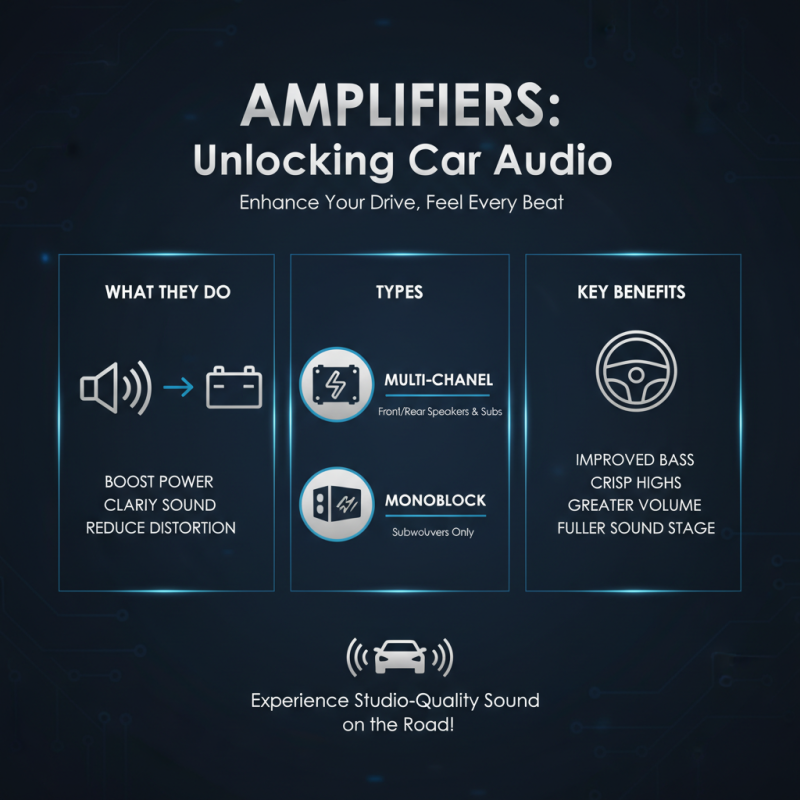
Amplifiers and Their Role in Enhancing Car Audio Performance
Amplifiers play a crucial role in enhancing car audio performance. They boost the audio signal, driving speakers to produce clearer and richer sound. High-quality amplifiers can transform an ordinary audio experience into something spectacular. They add depth and detail to music, allowing listeners to appreciate the nuances of each track.
When choosing amplifiers, consider their power output and compatibility with your existing system. A well-matched amplifier can significantly increase volume without distortion. Unfortunately, many users overlook proper installation. Poor installation can lead to noise issues and underwhelming sound quality. It’s essential to check wiring and ensure that all components work harmoniously for the best results.
Many enthusiasts recommend tuning amplifiers to fit particular listening preferences. This process requires some knowledge and a bit of trial and error. Adjusting settings such as gain, crossover, and equalization is pivotal. However, not everyone gets it right on the first try. The journey toward exceptional sound quality demands patience and a willingness to experiment.
Choosing the Right Subwoofer for Deep Bass and Clarity
Choosing the right subwoofer is crucial for achieving deep bass and clarity in your car audio system. A well-designed subwoofer enhances your listening experience, making music feel more immersive. According to a study by the Consumer Electronics Association, great sound quality can increase your enjoyment by 70%. This highlights the importance of selecting the appropriate subwoofer for your needs.
When selecting a subwoofer, factors like size and power rating matter. A larger subwoofer typically produces deeper bass. Many audiophiles recommend a 12-inch subwoofer for a balance of space and sound. However, deeper bass isn’t the only consideration. The enclosure type can greatly impact sound clarity. A sealed box offers accurate sound but less bass, while a ported box provides more volume at the expense of precision.
Aspiring audio enthusiasts often overlook installation challenges. Poor placement can muddy sound quality. Research indicates that the correct positioning can enhance bass response by up to 30%. Taking the time to understand your car’s acoustics is key. Additionally, understanding your personal music preferences is vital. Some may prioritize deep bass for hip-hop, while others seek clarity for classical music. Adapting your choices to these needs can lead to a more fulfilling audio experience.
Installation Tips for Optimal Sound Quality in Your Car Audio System
Installing a great car audio system can transform your driving experience. Sound quality depends not just on the equipment but also on proper installation. Begin with acoustic treatment. Sound-absorbing materials reduce unwanted noise and improve clarity. Consider using sound-deadening mats in doors and the trunk. This approach helps minimize vibrations that muddy the audio.
Placement of speakers is crucial. The ideal position is at ear level. Experiment with angles to direct sound towards the listener’s ears. Don’t forget about the distance between speakers. A well-spaced setup creates a more immersive experience. It can be daunting, but small adjustments can yield major improvements.
Wiring must be neat and secure. Loose cables can cause interference. Use quality connectors for better performance. Be mindful of power sources. A dedicated line for the amplifier can reduce noise. Remember, even the best systems require patience. It’s about finding what works best in your vehicle. Reflect on each step. You may not achieve perfection immediately, and that's perfectly fine. Adjust, listen, and enjoy the journey of sound.
Best Car Audio System for Exceptional Sound Quality
| Component |
Type |
Power (W) |
Frequency Response (Hz) |
Sensitivity (dB) |
Installation Difficulty |
| Component Speaker Set |
Speakers |
60 |
50 - 20,000 |
90 |
Medium |
| Subwoofer |
Subwoofer |
300 |
20 - 200 |
85 |
High |
| Amplifier |
Amplifier |
500 |
N/A |
95 |
Medium |
| Head Unit |
Receiver |
25 |
20 - 20,000 |
88 |
Easy |

 +86-18126757325
 CONTACT NUMBER
 CONTACT NUMBER