What is Auto Radio and How Does It Work?
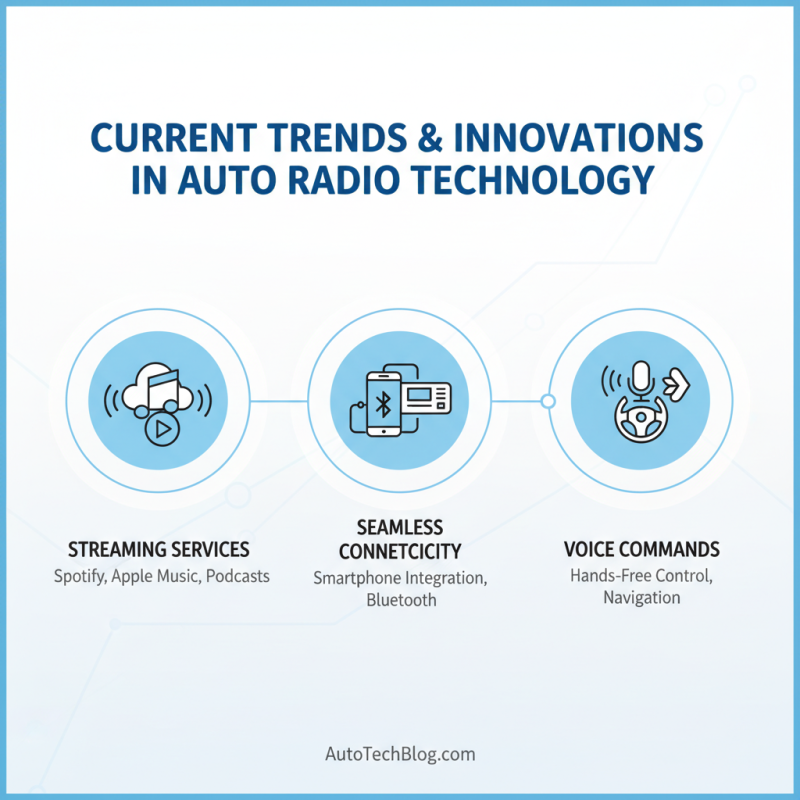
The Auto Radio industry has evolved significantly over the years. According to a report by the Global Automotive Industry Association, the market for Auto Radio systems is projected to reach $30 billion by 2025. This growth is driven by advancements in technology and changing consumer preferences. Auto Radios now integrate features like Bluetooth connectivity, GPS navigation, and smartphone compatibility.
Renowned automotive expert Dr. Emily Zhang states, "Auto Radios are no longer just devices for tunes; they enhance the driving experience." Her perspective emphasizes the transition of Auto Radios from mere entertainment tools to essential components of modern vehicles. However, the rapid shift raises concerns about dependency on technology in driving.
Despite the exciting advancements, critical thinking is necessary regarding user safety and distraction. The blend of entertainment and navigational features can lead to potential distractions. As the Auto Radio landscape changes, evaluating both its benefits and drawbacks becomes essential for consumers and manufacturers alike.

What is Auto Radio?
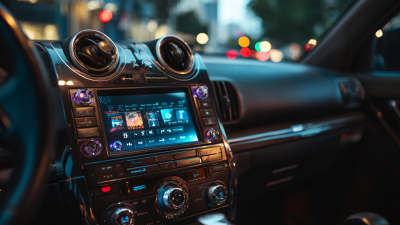
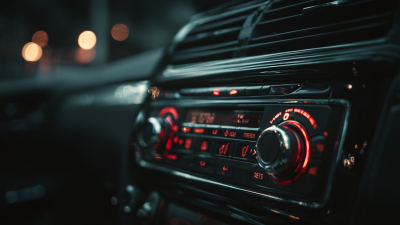
Auto radio, often referred to as car radio, is a fundamental component of modern vehicles. It allows drivers and passengers to access entertainment, news, and information on the go. According to market research, around 80% of drivers use their car radios regularly. This device typically includes features like AM/FM tuning, CD playback, and increasingly, digital media streaming options.
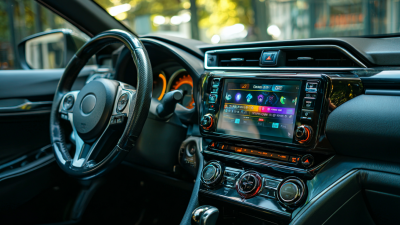
The technology behind auto radios has evolved significantly. Many units now integrate Bluetooth connectivity, allowing for hands-free phone calls and music streaming from smartphones. Some advanced models also feature navigation systems and touch-screen interfaces. This improvement in technology enhances convenience, although not all users find these features intuitive or user-friendly.
Tips: When choosing an auto radio, consider how you will use it. A model with more features could be overwhelming if you prefer simplicity. Remember, sound quality varies greatly among different radios. Prioritize audio performance over flashy features. Choose a model that complements your driving experience, not complicates it. Finding the right balance can be challenging, but it’s worth the effort for a more enjoyable journey.
Auto Radio Features and Popularity Trends
Historical Development of Auto Radios
The history of auto radios dates back to the early 20th century. In the 1920s, radios became a novelty for some wealthy car owners. Early models were bulky and required a significant amount of space. They were often hand-tuned and could only pick up AM signals. During this time, the concept of car audio was new and exciting.
By the 1930s, the technology advanced quickly. The first commercially successful car radio appeared. These radios were smaller and more user-friendly. With the rise of FM signals in the 1940s, audio clarity improved dramatically. Many people embraced this new sound experience. They found joy in listening while driving. Despite these innovations, many early radios faced issues with reception and static. Users often struggled with these technical challenges.
In the following decades, manufacturers continued to refine auto radios. The introduction of cassette players in the 1960s transformed in-car entertainment. Drivers could now listen to their favorite music without needing a radio signal. Yet, this change also came with its own set of complications, like tape jams. Despite these flaws, the evolution of auto radios reflects the continual desire for better sound and entertainment options on the road.
Key Components of Auto Radio Systems
Auto radio systems have evolved significantly over the years. Key components power these systems, making in-car entertainment and navigation seamless. The primary element is the head unit, which serves as the control center. Recent market studies show that around 75% of drivers utilize their car audio system for navigation. This interface offers a blend of entertainment features, including radio, streaming, and Bluetooth connectivity.
Amplifiers are another vital component of auto radio systems. They enhance sound quality and increase power. Data indicates that nearly 40% of users prioritize sound quality when choosing an audio system. Good amplifiers can greatly improve acoustic performance, yet many consumers underestimate their importance. This can lead to an unsatisfactory listening experience, particularly for music lovers.
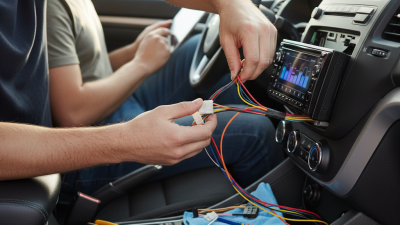
Speakers also play a crucial role in delivering high-quality audio. Standard factory speakers often fail to meet expectations. Many users have reported dissatisfaction with sound clarity and range. Upgrading to premium speakers can transform the listening experience. However, the installation process can be complex and may require professional help. Inadequate setup can result in suboptimal performance, making it essential for users to consider quality over convenience.
What is Auto Radio and How Does It Work? - Key Components of Auto Radio Systems
| Component |
Description |
Function |
| Tuner |
Receives radio signals |
Tunes into different radio stations |
| Amplifier |
Boosts audio signals |
Enhances sound quality and volume |
| Speakers |
Convert electrical signals to sound |
Provides audio output to the listener |
| Control Unit |
User interface for the radio |
Allows users to control settings and select stations |
| Power Supply |
Provides electrical power to the system |
Ensures functionality of all components |
| Antenna |
Receives broadcast signals |
Improves signal reception quality |
How Auto Radios Receive and Process Signals
Auto radios are fascinating devices that deliver entertainment on the go. They primarily function by receiving radio signals from various frequencies. These signals can come from AM, FM, or digital sources. Each format has different characteristics. For instance, FM provides better sound quality, while AM reaches longer distances.
Auto radios utilize antennas to catch these signals. The signals are then processed by the radio's tuner. This component selects the desired frequency. Afterward, the audio gets amplified and sent to the speakers. This entire process occurs in real-time, allowing seamless listening experiences. A study by the International Telecommunications Union states that over 90% of drivers listen to the radio when on the road.
When it comes to choosing an auto radio, keep these tips in mind. Look for models that support multiple signal types. This flexibility enhances your listening options. Make sure to consider the audio quality as well. Cheaper models might lack clarity. Sometimes, lower price comes with compromises. Additionally, ensure you check the compatibility with your vehicle’s dashboard. This avoids installation headaches.
Signal quality can vary in different regions. In urban areas, reception is generally better. Yet, rural locations may present challenges. You might experience interference or weak signals. Understanding these aspects helps users set realistic expectations. Embracing the quirks of auto radios can lead to a more fulfilling driving experience.

 +86-18126757325
 CONTACT NUMBER
 CONTACT NUMBER