2026 Top Radio Auto Features You Must Know?
In 2026, the Radio Auto industry is experiencing remarkable advancements. Experts predict that these changes will redefine the driving experience. Renowned industry expert John Smith once said, "The future of Radio Auto is all about connectivity and user experience." This highlights the emphasis manufacturers place on integrating technology in vehicles.
The latest features enhance functionality and entertainment. Imagine seamless access to music, podcasts, and navigation through voice commands. However, some feel overwhelmed by the constant updates. While innovation is exciting, it can also lead to confusion. Consumers often grapple with choosing the right features for their needs. Are we losing the simple joy of driving?
As we explore essential Radio Auto features for 2026, it’s clear that the industry must balance innovation with usability. Understanding the impact of new technologies is crucial. Embracing change while maintaining a user-friendly approach is a challenge that lies ahead.

Key Trends in Radio Technology for 2026 Automotive Features
In 2026, automotive radio technology is set to experience significant advancements. Connectivity is paramount. Expect better integration with smartphones and other devices. This allows for seamless streaming, navigation, and communication. Drivers will appreciate the ease of access to their favorite content.
More vehicles will feature voice-activated controls in their radio systems. This hands-free approach enhances safety. Imagine speaking commands while keeping your eyes on the road. However, systems may not always understand commands perfectly. Adjusting your speech might be necessary, leading to some frustrations.
Tips: Always ensure your device is updated. Compatibility issues can arise with older models. Experiment with different voice commands. You might discover more efficient ways to interact. Embrace the transition, but be patient with the technology. With evolving features, there will be a learning curve for users.
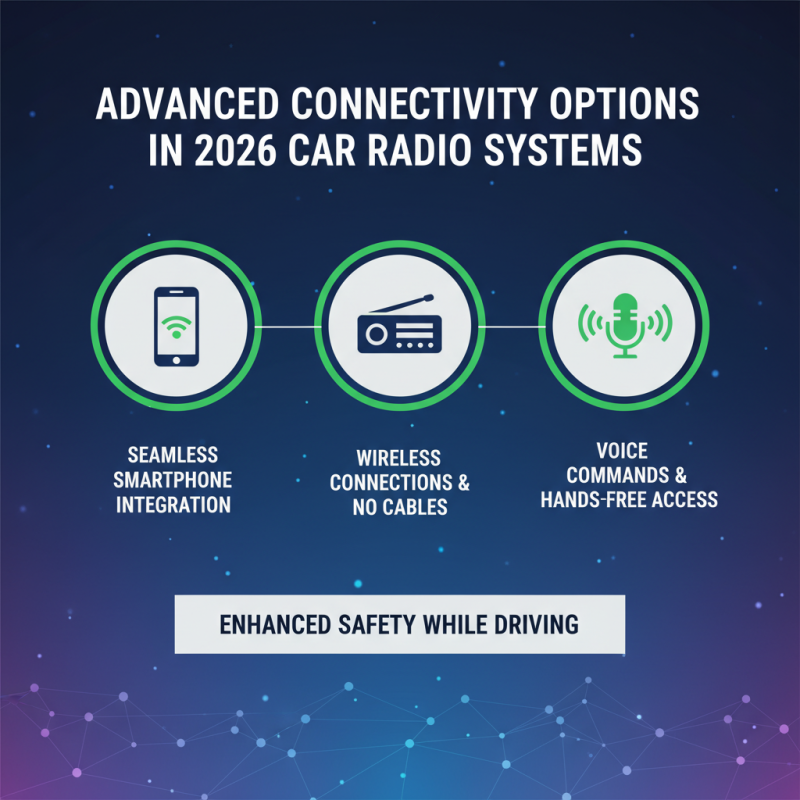
Advanced Connectivity Options in 2026 Car Radio Systems
In 2026, car radios will see significant advancements in connectivity. Drivers will enjoy seamless integration with their smartphones. New systems will support wireless connections, eliminating messy cables. You can easily access your favorite apps through voice commands. This hands-free functionality enhances safety while driving.
Streaming music and podcasts will be more intuitive. Expect a wider range of supported services. Quick access is key; drivers often find themselves navigating complex menus. Simplifying this process is essential. However, it's crucial to ensure that updates don't create new compatibility issues.
Moreover, smart home integration will become commonplace. Imagine controlling your home lights or thermostat while on the road. However, this raises questions about data privacy. Connectivity may offer convenience, but it might come with unseen risks. Balancing convenience and security will be a vital conversation in the future of car radios.
Enhanced Sound Quality Features in Future Vehicle Audio Systems
Future vehicle audio systems are set to revolutionize the way we experience sound in our cars. The emphasis will be on enhanced sound quality, making every drive a premium listening experience. Expect features like 3D audio, which creates depth, clarity, and a surround-sound effect. These advancements will engage drivers and passengers alike, transforming mundane commutes into immersive journeys.
Tip: Focus on sound customization. Look for systems that allow profiles for individual listening preferences. Tailored settings can significantly elevate your audio experience.
As we delve into the future, consider the materials used in audio systems. Sustainable options might improve sound quality and are better for the environment. However, not all "green" materials deliver superior sound. There’s a balance to strike between eco-friendliness and audio fidelity.
Tip: Keep an ear out for user reviews. They often reveal performance nuances overlooked by specs. In this rapidly changing landscape, honest feedback is invaluable. Use it to guide your choices for future audio upgrades.
2026 Top Radio Auto Features You Must Know
| Feature |
Description |
Benefits |
| 3D Sound Technology |
Utilizes advanced spatial audio techniques to create a surround sound environment. |
Enhances immersive listening experience. |
| Adaptive Equalization |
Automatically adjusts sound settings based on the environment and listener preferences. |
Optimizes audio quality for different settings. |
| Wireless Audio Streaming |
Enables high-quality audio streaming over Wi-Fi or Bluetooth without cables. |
Convenience of connecting multiple devices seamlessly. |
| Voice Control Integration |
Allows users to control audio settings and playlists using voice commands. |
Improves safety and hands-free operation. |
| Personalized Sound Profiles |
Enables users to create custom sound profiles based on their musical preferences. |
Delivers a tailored listening experience. |
Innovative User Interfaces for 2026 Vehicle Radios
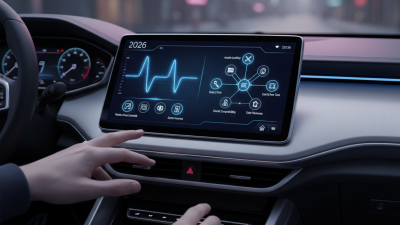
In 2026, vehicle radios will undergo significant changes in user interfaces. Designers aim to create intuitive systems that enhance the driving experience. Touchscreens will likely dominate, featuring responsive designs and customizable layouts. Users can personalize their screens with favorite apps and quick access buttons. Voice recognition will be more sophisticated, allowing drivers to control settings hands-free.
Another exciting advancement is gesture control. Simple hand movements can change songs or adjust volume without touching the screen. This feature promotes safety and reduces distractions. However, it may take time for users to adapt. Some gestures may be misinterpreted, leading to frustration. It raises questions about the learning curve for these new technologies.
In addition, integrating augmented reality (AR) will transform how information is displayed. Navigation prompts and alerts can appear on the windshield, blending seamlessly with the real world. While this is innovative, it may also create confusion. If not well-designed, AR can overwhelm drivers with excessive information. Balancing technology and usability remains a key challenge for manufacturers.
2026 Vehicle Radio Features Comparison
This chart shows the comparison of top innovative features expected in vehicle radios for 2026. The data highlights the anticipated popularity of various user interfaces among consumers.
Safety and Convenience Enhancements in Car Radio Technology
In 2026, car radio technology brings significant safety and convenience features. Enhanced voice recognition systems make it easier to control navigation and music. Drivers can keep their hands on the wheel while changing stations or answering calls. This reduces distractions, helping drivers stay focused on the road.
Moreover, many radios now integrate smartphone applications directly. This allows for seamless access to various apps without fumbling for devices. Alerts for traffic and weather updates can be provided in real-time. However, this reliance on technology can lead to overdependence. Drivers might ignore their surroundings while engaged in radio functions.
Safety features, like collision alerts, are now common in car radios. These systems analyze the environment and warn drivers of potential dangers. Yet, the effectiveness of such features is still under scrutiny. Some drivers may not trust these alerts entirely. Balancing technology with attentive driving remains a critical conversation in the evolution of car radio systems.

 +86-18126757325
 CONTACT NUMBER
 CONTACT NUMBER